
How Price Comparison Works for Smart Shoppers
Finding the lowest price online often feels like a chase that never ends, especially during Black Friday or Singles’ Day sales. With retailers updating deals in real time, shoppers need to be savvy to avoid overpaying. Using tools that provide real-time pricing data and comprehensive comparison features, you can confidently secure the best bargains without the stress of endless browsing. This article guides you through how price comparison works online and how it helps you save money every shopping season.
Table of Contents
- What Price Comparison Means Online
- Types of Price Comparison Tools and Methods
- How Price Tracking Platforms Function
- Benefits of Automated Price Monitoring
- Risks, Limitations, and Common Pitfalls
Key Takeaways
| Point | Details |
|---|---|
| Real-Time Price Monitoring | Online price comparison tools track prices continuously, ensuring consumers get the best deals in real-time. |
| Diverse Tool Types | Various price comparison tools, including apps and browser extensions, optimize savings based on user preferences and behaviors. |
| Automated Alerts | Setting up automated price alerts enables consumers to receive notifications for price drops, maximizing their savings potential. |
| Risks and Mitigations | Users should be aware of algorithm biases and privacy concerns, and cross-reference comparison results for accuracy. |
What Price Comparison Means Online
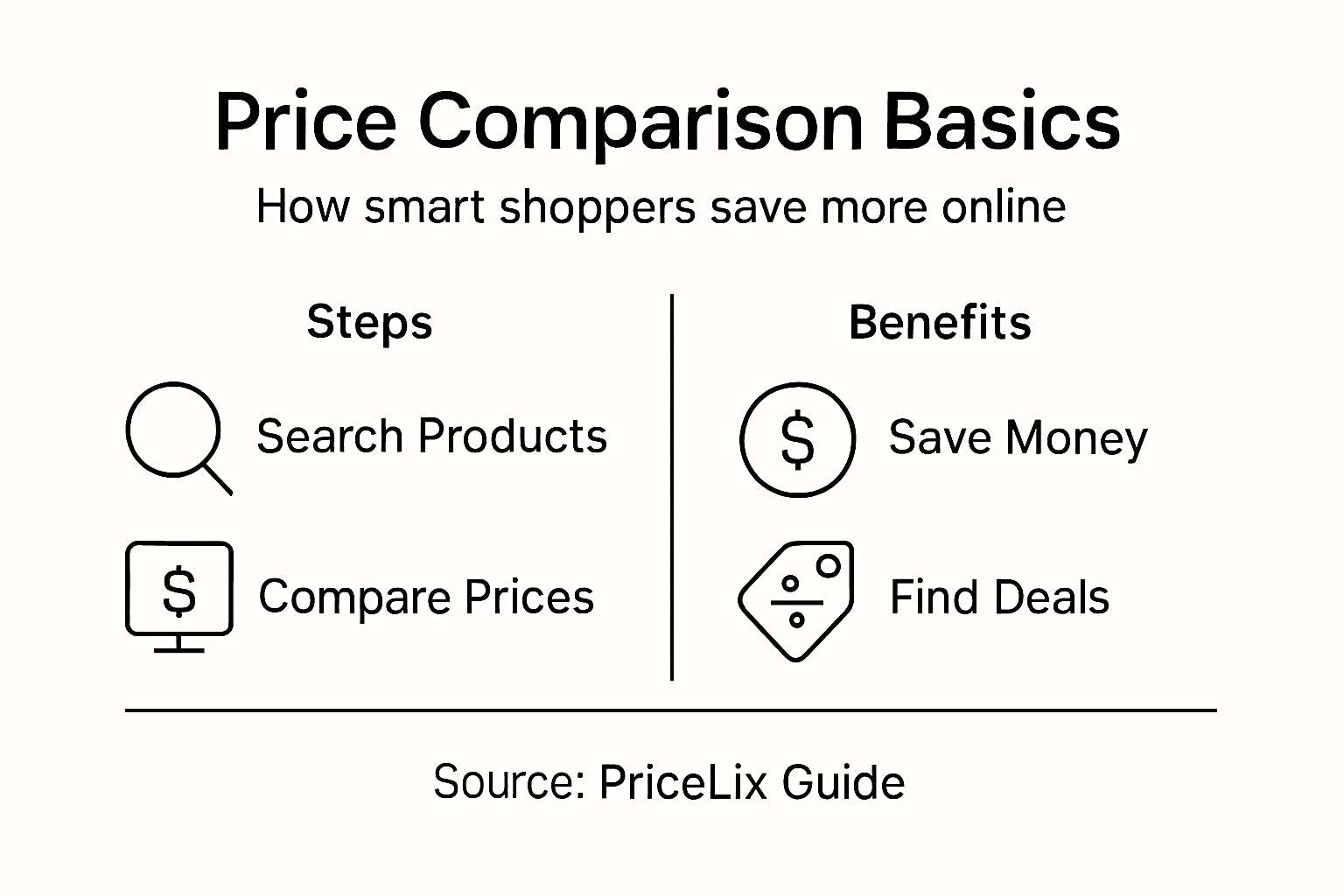
Online price comparison is a strategic approach that empowers consumers to understand product pricing across multiple platforms and retailers. At its core, price comparison helps shoppers find the most competitive prices by analyzing real-time pricing data from different sources. This process involves tracking, comparing, and evaluating product costs to help consumers make informed purchasing decisions.
Price comparison tools leverage sophisticated technologies to aggregate pricing information from various online marketplaces. These systems continuously monitor prices across platforms like Amazon, eBay, and Walmart, providing users with comprehensive insights into price tracking strategies.
Key components of online price comparison include:
- Real-time price monitoring
- Historical price trend analysis
- Automatic price drop alerts
- Cross-platform price tracking
- Detailed pricing charts and visualizations
The fundamental goal of price comparison is transparency. By revealing the actual market value of products, these tools help consumers avoid overpaying and identify the best possible deals. Unlike traditional shopping methods, online price comparison eliminates guesswork and provides data-driven insights that can lead to significant savings.
Pro Tip: Always compare prices across multiple platforms and set up automated price tracking alerts to maximize your potential savings.
Types of Price Comparison Tools and Methods
Price comparison tools have evolved dramatically, offering sophisticated methods for tracking and analyzing product pricing across multiple online platforms. These tools leverage advanced price intelligence techniques that go far beyond simple price listing, providing consumers and businesses with nuanced insights into market dynamics.
The primary types of price comparison tools can be categorized into several key approaches:
- Aggregator Platforms: Websites that compile prices from multiple retailers
- Browser Extensions: Tools that overlay pricing information while shopping
- Mobile Apps: Dedicated smartphone applications for real-time price tracking
- Automated Tracking Systems: Advanced algorithms that monitor price changes
- Machine Learning Price Predictors: AI-powered tools that forecast future pricing trends
These tools employ sophisticated methodologies to provide comprehensive pricing information. Competitive pricing methods analyze customer behavior, demand modeling, and market responses to help users make informed purchasing decisions. Some advanced systems use randomized price experiments and complex optimization algorithms to provide the most accurate pricing intelligence.
Sophisticated price comparison technologies now integrate multiple data points beyond just raw pricing. They consider factors like shipping costs, product availability, seller reputation, and historical price trends to give users a holistic view of potential purchases. This multi-dimensional approach transforms price comparison from a simple numbers game into a strategic decision-making tool.
Pro Tip: Combine multiple price comparison tools and set up price alerts to maximize your savings potential across different platforms.
Here’s a comparison of popular types of price comparison tools and their strategic advantages:
| Tool Type | User Experience | Data Complexity | Best Use Case |
|---|---|---|---|
| Aggregator Platforms | Web-based, comprehensive views | High—multiple sources | Broad searches for best deals |
| Browser Extensions | Seamless while browsing | Moderate—live overlays | Instant checks during shopping |
| Mobile Apps | App interface, notifications | High—real-time alerts | On-the-go price monitoring |
| Automated Tracking Sys. | Background tracking, scheduled | Very high—continuous | Regular tracking of chosen products |
| AI Price Predictors | Predictive, data-driven tips | Advanced—future trends | Forecasting when to purchase |
How Price Tracking Platforms Function
Price tracking platforms are sophisticated digital ecosystems that transform how consumers interact with online marketplaces. Digital marketplace platforms aggregate complex data streams to facilitate intelligent consumer interactions, creating a dynamic environment for price discovery and product comparison.
The core functionality of these platforms involves multiple sophisticated mechanisms:
- Data Collection: Continuous gathering of pricing information across retailers
- Price Analysis: Advanced algorithms comparing prices in real-time
- Historical Trend Tracking: Monitoring price fluctuations over time
- Personalized Alerts: Customized notifications for price drops
- Cross-Platform Comparison: Aggregating prices from multiple online stores
These platforms leverage network effects to create value for both consumers and sellers. By collecting and analyzing consumer and seller data, they optimize product matching, target advertising, and provide transparent pricing information. Advanced machine learning algorithms help predict future pricing trends, enabling users to make more informed purchasing decisions.
The technological infrastructure behind price tracking platforms is remarkably complex. They utilize machine learning, big data analytics, and real-time processing capabilities to continuously scan thousands of online retailers, comparing prices, tracking historical trends, and providing instantaneous insights to users. This multi-layered approach transforms price comparison from a manual, time-consuming process into an automated, intelligent service.
Pro Tip: Configure multiple price tracking alerts across different platforms to capture the most comprehensive pricing intelligence.
Benefits of Automated Price Monitoring
Automated price monitoring has revolutionized how consumers and businesses approach purchasing decisions. Price intelligence strategies enable rapid, data-driven insights that transform traditional shopping experiences by providing unprecedented transparency and cost-saving opportunities.
The key benefits of automated price monitoring include:
- Instant Price Comparisons: Real-time tracking across multiple retailers
- Historical Price Analysis: Understanding price trend patterns
- Personalized Savings Alerts: Notifications for significant price drops
- Budget Protection: Preventing overpayment on products
- Competitive Market Insights: Understanding pricing dynamics
These sophisticated systems go beyond simple price checking. Automated monitoring helps consumers make informed decisions by collecting comprehensive pricing data, analyzing market trends, and providing actionable insights. By leveraging advanced algorithms, these platforms can predict future price movements and identify the optimal purchasing windows.
The technological sophistication of automated price monitoring means consumers can now access pricing intelligence that was previously available only to large businesses. Machine learning algorithms continuously analyze thousands of product listings, comparing prices, tracking historical trends, and generating personalized recommendations that can potentially save users significant money over time.
Pro Tip: Set up multiple price tracking alerts on different platforms to maximize your potential savings and capture the most comprehensive pricing intelligence.
Risks, Limitations, and Common Pitfalls
Price comparison technologies are not without significant challenges. Pricing algorithm risks can potentially create unintended negative consequences for consumers, despite their apparent benefits.
Key risks and limitations of price tracking platforms include:
- Algorithm Bias: Potential for skewed pricing recommendations
- Data Accuracy Issues: Incomplete or outdated pricing information
- Privacy Concerns: Extensive data collection mechanisms
- Psychological Manipulation: Engineered pricing strategies that exploit consumer behavior
- Technical Limitations: Incomplete product matching across platforms
Automated price tracking systems can inadvertently create complex economic distortions. Pricing algorithms might actually increase consumer prices by removing traditional competitive pressures, as platforms optimize for maximum revenue rather than consumer savings. Some advanced systems use sophisticated machine learning techniques that can predict and potentially manipulate consumer purchasing behaviors.
Moreover, consumers must remain vigilant about potential deceptive practices. Certain platforms might use misleading comparative pricing strategies, showing artificially inflated original prices to make discounts appear more attractive. This sophisticated form of marketing can create false perceptions of value and savings, ultimately undermining the core purpose of price comparison technologies.
Pro Tip: Always cross-reference price tracking results with multiple independent sources to validate actual savings potential.
The following table summarizes key risks linked with automated price monitoring and how to minimize them:
| Potential Risk | Typical Impact | Suggested Mitigation |
|---|---|---|
| Algorithm Bias | Skewed price recommendations | Use several comparison sources |
| Data Inaccuracy | Misleading price alerts | Regularly verify current listings |
| Privacy Concerns | Unintended data disclosure | Check app privacy settings |
| Price Manipulation | Artificial sales, inflated value | Evaluate deals with skepticism |
| Incomplete Matching | Missed lowest offers | Cross-check with other platforms |
Take Control of Your Shopping with Smarter Price Tracking
The challenge many smart shoppers face today is sifting through constant price changes and complex pricing algorithms to find the best deal. The article highlights key pain points such as the need for real-time price monitoring, avoiding overpayment, and navigating automated price alerts without falling victim to misleading discounts. Concepts like automated price monitoring, price drop alerts, and historical price trend analysis are critical for making confident, cost-saving decisions.
PriceLix directly addresses these challenges by offering an easy-to-use platform that tracks product prices across Amazon, eBay, Walmart, and over a thousand other stores automatically. Our price tracking system empowers you to receive instant alerts when prices drop and view detailed pricing history, giving you the competitive edge you need to shop smarter without the frustration of manual monitoring. Discover how you can protect your budget and gain transparency in a market full of changing offers by exploring how PriceLix works.
Don’t let complicated pricing strategies control your wallet. Start making informed buying choices today and unlock savings with a single platform designed for savvy shoppers like you.
Are you ready to transform your shopping experience and never miss a deal again?
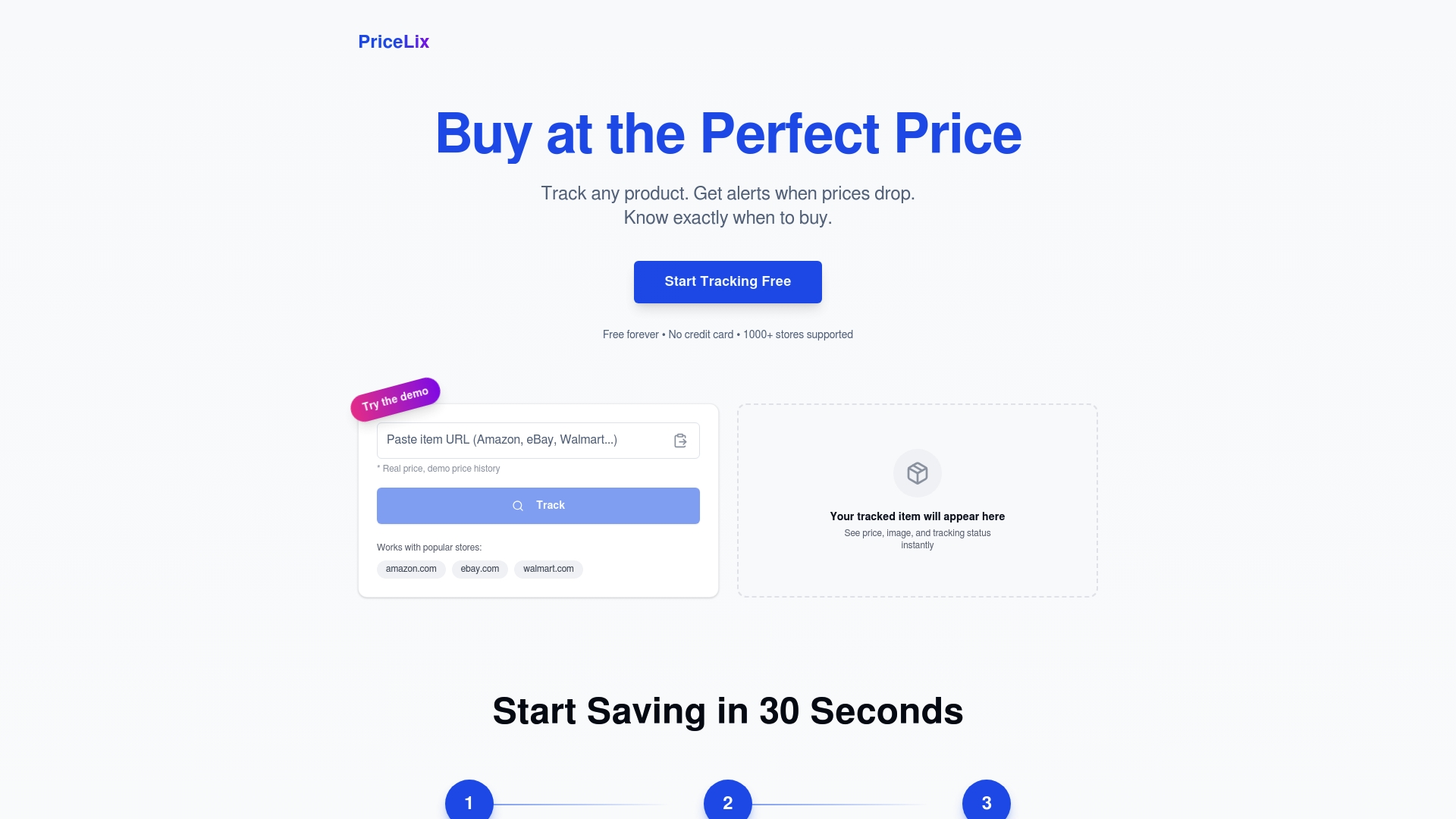
Visit PriceLix now and start tracking prices effortlessly to get the best value every time. Take advantage of the power of automated price tracking and make your shopping smarter and more efficient.
Frequently Asked Questions
What is online price comparison?
Online price comparison is a tactic that allows consumers to analyze product pricing across various platforms and retailers, enabling them to find the most competitive prices.
How do price comparison tools work?
Price comparison tools aggregate pricing information from multiple online marketplaces, monitor prices in real-time, and provide users with detailed insights into pricing trends, historical data, and alerts for price drops.
What are the benefits of using automated price monitoring?
Automated price monitoring offers instant price comparisons, historical price analysis, personalized alerts for significant price drops, and insights into competitive market dynamics, helping consumers make informed purchasing decisions.
What risks should I be aware of when using price comparison tools?
Some risks include algorithm bias that can skew price recommendations, data accuracy issues leading to misleading alerts, privacy concerns from extensive data collection, and the potential for deceptive marketing strategies that can create false perceptions of value.