
Master discount tracking to save big in 2026
Missing out on a price drop feels like leaving money on the table. You’ve added items to your cart, only to watch prices fluctuate unpredictably across hundreds of stores. Manual checking wastes time and rarely catches the best deals. Modern discount tracking tools solve this problem by automating price monitoring, delivering timely alerts, and helping you capitalize on dynamic pricing across major retailers in 2026.
Table of Contents
- What You Need To Start Tracking Discounts Effectively
- Step-By-Step Process To Track Discounts And Receive Alerts
- Troubleshooting Common Challenges And Mistakes In Discount Tracking
- Expected Savings And Results From Mastering The Discount Tracking Process
- Try Pricelix For Hassle-Free Discount Tracking
- FAQ
Key takeaways
| Point | Details |
|---|---|
| Automation saves time | Price tracking tools monitor discounts automatically across 250+ stores, eliminating manual checks. |
| Smart alerts matter | Customizable notification thresholds help you catch meaningful price drops without alert fatigue. |
| Privacy comes first | Choose tools that store data locally on your device to protect your shopping habits. |
| Proven savings potential | Effective tracking increases potential savings by $15+ per alert on average. |
| Global shopping enabled | Multi-currency support lets you save money shopping from international retailers. |
What you need to start tracking discounts effectively
Successful discount tracking starts with the right foundation. You need tools that cover your favorite stores, respect your privacy, and deliver alerts when prices actually drop.
Browser extensions and mobile apps form the core of modern price tracking. Top tools support major retailers like Amazon, Walmart, eBay, and Nike, plus hundreds of smaller stores. PriceLasso users saved over $4M by tracking prices across 250+ stores, demonstrating the power of comprehensive coverage.
Multi-currency support matters if you shop internationally. Converting prices automatically helps you compare deals across regions without manual calculations. Privacy features should be non-negotiable, as some extensions collect browsing data while others store everything locally on your device.
| Feature | Basic Trackers | Advanced Tools | Privacy-Focused Options |
|---|---|---|---|
| Store coverage | 50-100 stores | 250+ stores | 100+ stores |
| Currency support | Single currency | Multi-currency | Multi-currency |
| Data storage | Cloud-based | Cloud or local | Local only |
| Alert customization | Basic thresholds | Granular controls | Custom thresholds |
| Wishlist import | Manual entry | Automatic import | Automatic import |
Before installing any tool, gather these essentials:
- A compatible device with updated browser or mobile OS
- Stable internet connection for background price checks
- List of preferred stores where you shop most frequently
- Existing wishlist or cart items ready for import
- Clear idea of your privacy preferences and data sharing comfort level
Pro Tip: Research privacy policies thoroughly before installing extensions to avoid tools that track your browsing behavior beyond price monitoring.
Understanding types of online price tracking helps you choose methods that align with your shopping patterns and savings goals.
Step-by-step process to track discounts and receive alerts
Configuring your price tracker correctly ensures you catch deals without drowning in notifications. Follow this systematic approach to set up effective discount monitoring.
- Install a reputable price tracking extension or app from official stores like Chrome Web Store, Firefox Add-ons, or Apple App Store.
- Grant necessary permissions for the tool to access product pages and monitor prices in the background.
- Import your existing wishlists or manually add products you want to track by visiting product pages.
- Set notification thresholds that match your deal sensitivity, typically 5% for high-priority items or 10-15% for casual monitoring.
- Configure daily alert limits to prevent notification overload, usually 3-5 alerts per day works well.
- Enable background price checks so the tool monitors prices even when you’re not actively browsing.
- Adjust multi-currency settings if you shop internationally to see prices in your preferred currency.
Users can configure notification thresholds and frequency with price tracking extensions, giving you control over alert volume and relevance.
Pro Tip: Start with conservative alert thresholds around 10% and adjust down as you understand typical price fluctuations for your tracked items.
Historical price graphs reveal whether current discounts represent genuine savings or artificial markups. Most quality trackers display price history charts showing 30, 60, or 90-day trends. A true deal shows current prices below recent averages, not just below an inflated “original” price.

Local data storage protects your privacy by keeping tracking information on your device rather than company servers. This prevents third parties from analyzing your shopping habits or selling your data. Learn more about how to set up price alerts and understand price drop alerts to maximize your tracking effectiveness.
Troubleshooting common challenges and mistakes in discount tracking
Even well-configured trackers occasionally miss alerts or generate false positives. Recognizing common issues helps you maintain consistent savings.
Missed alerts often stem from notification settings blocked at the browser or system level. Check permissions and ensure the extension can send notifications. Connection problems interrupt background checks, so verify your internet stability if alerts seem delayed.
Incompatible stores present another challenge. Not every retailer works with every tracker, especially smaller or regional shops. Verify store compatibility before adding items to your watchlist.
Cross-reference alerts against historical price data before purchasing. Some retailers temporarily raise prices before sales to make discounts appear larger. Price history charts expose these tactics quickly.
Common troubleshooting steps include:
- Update the extension or app to the latest version for bug fixes and new store support
- Verify permissions allow background activity and notifications
- Adjust alert thresholds if receiving too many or too few notifications
- Clear browser cache and cookies if the tool stops recognizing products
- Reinstall the extension if tracking stops working entirely
Awareness of privacy implications is critical when using price tracking extensions, as some collect far more data than necessary for basic functionality.
Ignoring privacy settings ranks among the biggest mistakes. Installing untrusted extensions exposes your browsing history, payment information, and shopping patterns. Stick with tools that clearly explain data practices and offer local storage options.
Balancing alert frequency requires experimentation. Too many notifications create fatigue and you’ll ignore genuine deals. Too few means missing time-sensitive discounts. Most shoppers find 3-5 daily alerts with 10% thresholds hits the sweet spot. Explore price drop strategies to refine your approach.
Expected savings and results from mastering the discount tracking process
Effective discount tracking delivers measurable financial benefits and smarter purchasing decisions. Understanding realistic savings helps you evaluate whether your tracking strategy works.
PriceLasso users saved an average of $15 per alert, totaling over $4 million in cumulative savings across the platform. Individual results vary based on purchase frequency, product categories, and alert sensitivity.
| Tracker Type | Average Savings Per Purchase | Monthly Alerts | Estimated Monthly Savings |
|---|---|---|---|
| Basic alerts | $8-12 | 10-15 | $80-180 |
| Advanced tracking | $15-25 | 15-25 | $225-625 |
| Multi-store monitoring | $20-40 | 20-30 | $400-1200 |
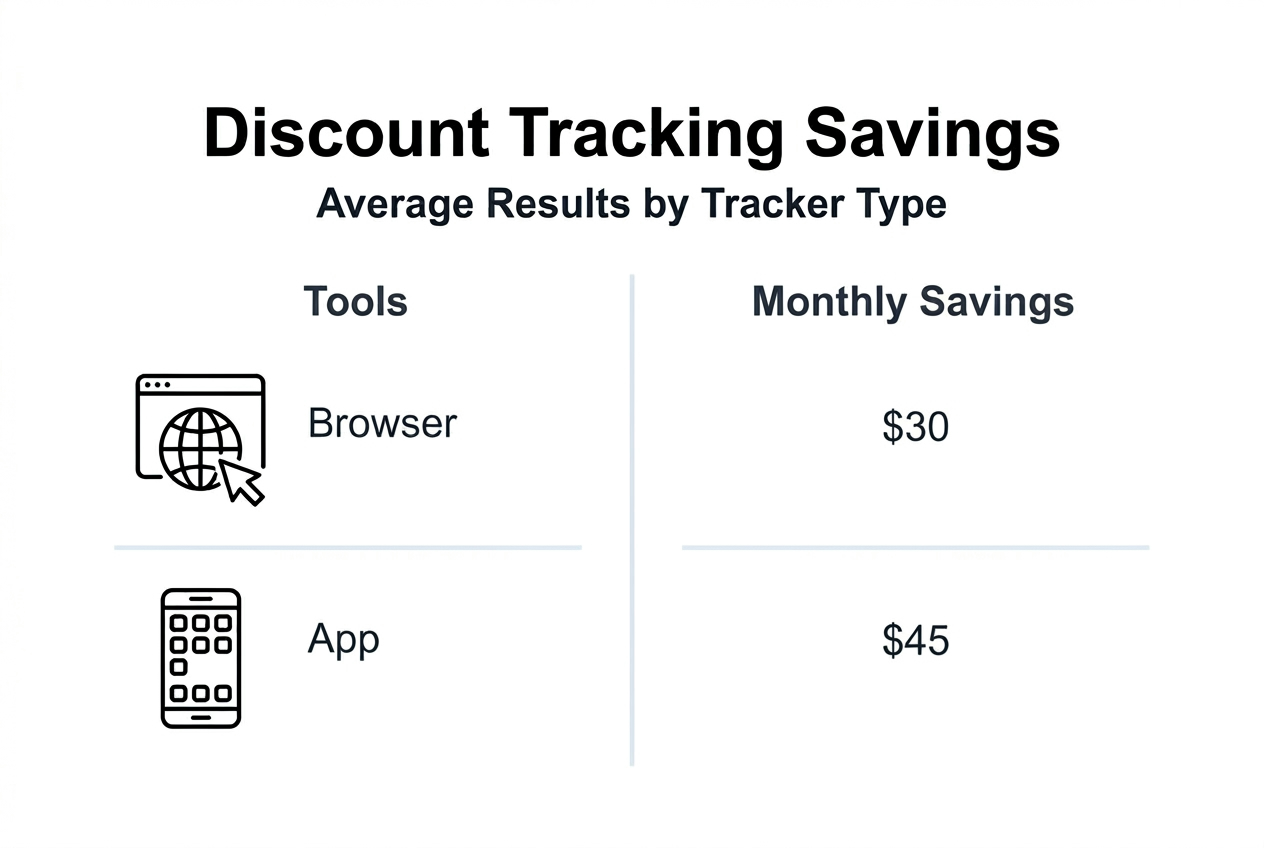
Frequent price changes create abundant savings opportunities. Amazon changes prices up to 2.5 million times daily, meaning the “right” price exists if you catch it at the optimal moment. This dynamic pricing environment rewards patient shoppers who track consistently.
Real-time alerts combined with historical data visualizations transform how you make buying decisions. Instead of guessing whether current prices are good, you see concrete evidence of typical ranges and trends. This knowledge prevents impulse purchases at inflated prices and builds confidence in genuine deals.
Consistent tool use matters more than sporadic checking. Shoppers who maintain active watchlists and respond to quality alerts save significantly more than those who install tools but ignore notifications. Treat alerts as opportunities requiring quick evaluation, not guarantees requiring immediate purchase.
Combining multiple strategies maximizes benefits. Use price tracking for big-ticket items, cashback programs for frequent purchases, and seasonal awareness for predictable discounts. This layered approach captures savings other shoppers miss. Review best price tracking strategies for 2026 to build a comprehensive savings plan.
Try PriceLix for hassle-free discount tracking
Applying these discount tracking principles becomes effortless with the right platform. PriceLix offers comprehensive price monitoring across thousands of stores with privacy-focused design and customizable alerts that match your shopping style.
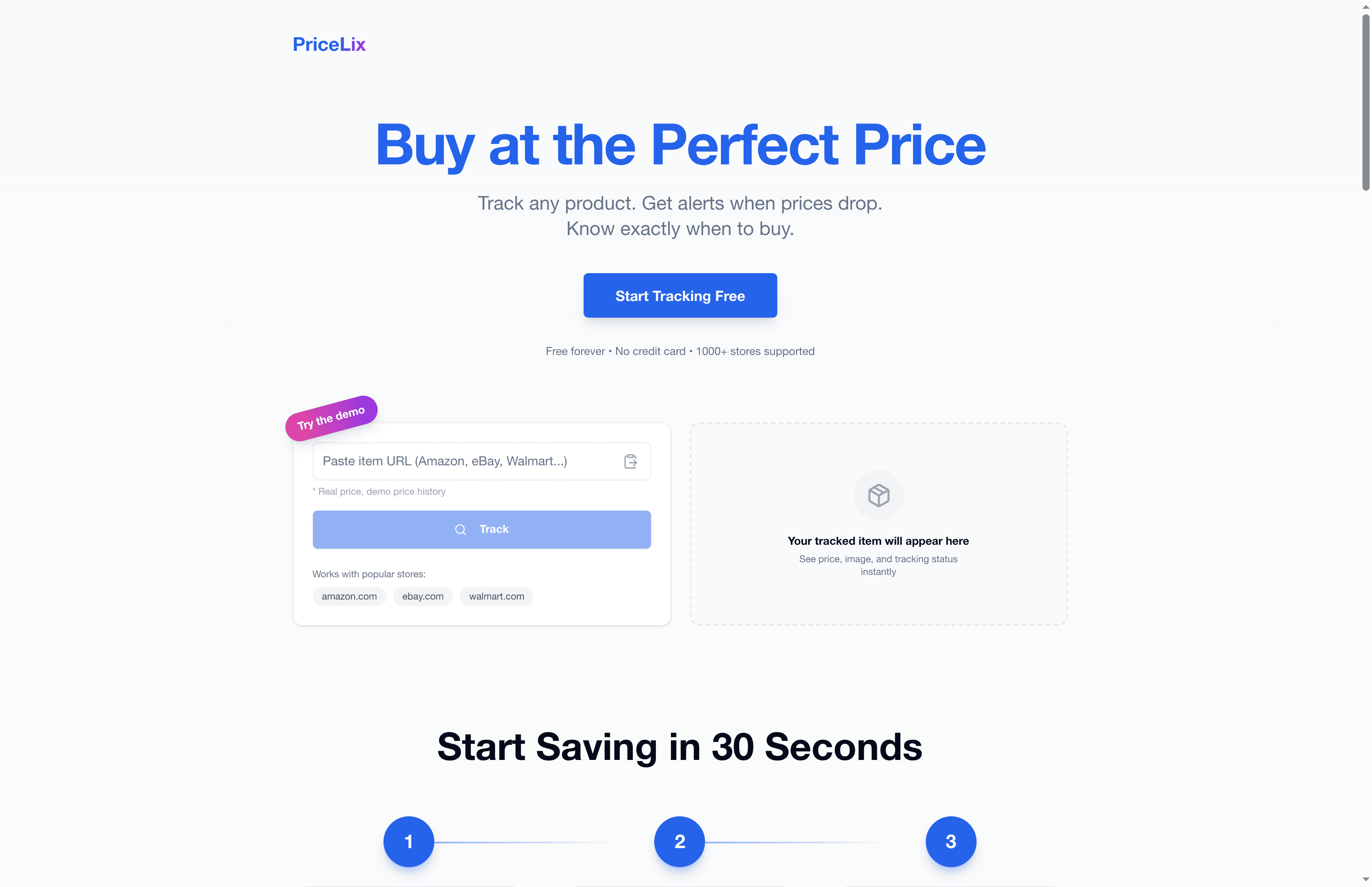
Our multi-currency support helps you save on international purchases, while detailed price history charts reveal genuine deals versus artificial markups. The intuitive dashboard consolidates all tracked items, eliminating the need to juggle multiple browser tabs or remember which stores you’re monitoring. Visit PriceLix to start saving today with tools designed specifically for savvy shoppers who refuse to overpay.
FAQ
How does discount tracking software monitor prices across so many stores?
Discount tracking software employs automated algorithms to scan and record product prices frequently across major and niche retailers. These systems check prices multiple times daily, building historical databases that power alerts and price history visualizations. This automation enables timely notifications and detailed analytics for informed purchase decisions without manual effort.
Can I trust price tracking extensions with my privacy?
Many reliable tools avoid collecting personal data and keep tracking information locally on your device rather than uploading it to company servers. Always review privacy policies before installation and choose extensions with transparent, privacy-focused designs. Look for tools that explicitly state they don’t track browsing behavior beyond price monitoring functions.
How often should I check my price alerts to maximize savings?
Set alert frequency based on your shopping habits and preferred deal sensitivity. Price Drop Tracker allows configuring alert thresholds and daily limits to manage notification volume effectively. Daily alerts work well for active shoppers, while 3-5 weekly notifications suit casual buyers. Adjust limits to avoid fatigue while catching meaningful discounts.