
What is a wishlist tracker? Save smart in 2026
You’ve spent hours comparing prices across stores, only to discover the item you wanted went on sale yesterday. Manual price checking is exhausting and ineffective, causing shoppers to miss significant savings opportunities. Wishlist trackers automate this tedious process, monitoring your desired products continuously and alerting you the moment prices drop. This guide explains what wishlist trackers are, how they work technically, and which tools deliver the best results for online shoppers seeking to maximize savings without constant manual effort.
Table of Contents
- What Is A Wishlist Tracker And How Does It Work?
- Popular Wishlist Tracking Tools And Their Strengths
- Challenges With Wishlist Trackers And How To Choose The Right One
- Maximizing Savings And Efficiency With Wishlist Trackers
- Explore Pricelix For Smart Wishlist Tracking
- Frequently Asked Questions
Key takeaways
| Point | Details |
|---|---|
| Automated monitoring | Wishlist trackers scan prices across retailers continuously, eliminating manual checks |
| Alert customization | Set thresholds by percentage, absolute amount, or target price for personalized notifications |
| Multi-store coverage | Universal trackers monitor thousands of retailers while specialized tools focus on specific platforms |
| Tangible savings | Users save 15-30% on wishlist purchases, reducing annual overpayments significantly |
| Selection criteria | Choose trackers with low false positives, multi-method extraction, and broad retailer compatibility |
What is a wishlist tracker and how does it work?
A wishlist tracker is a software tool that allows online shoppers to save desired products from various retailers into personalized lists and automatically monitors those items for price drops, stock availability changes, or discounts, sending notifications to help users buy at optimal times. These tools eliminate the need to manually revisit product pages, bookmark items, or maintain spreadsheets. Instead, they handle all monitoring tasks in the background while you focus on other priorities.
The technical foundation relies on sophisticated data collection methods. Core mechanics include web scraping or API polling at intervals with random jitter to avoid bans, multi-method price extraction using JSON-LD, CSS selectors, and AI fallback for complex sites, price history charting, threshold-based alerts for absolute drops, percentage changes, or target prices, and cross-retailer comparisons. These systems must adapt to each retailer’s unique website structure, making flexibility essential for accuracy.
Data extraction happens through layered approaches. First, trackers attempt to read structured data like JSON-LD embedded in product pages, which provides clean pricing information. When that fails, they parse HTML using CSS selectors targeting specific price elements. For particularly challenging sites with dynamic layouts or JavaScript-rendered content, advanced trackers deploy AI-powered fallback methods that interpret visual patterns and text context. This redundancy ensures consistent monitoring even when retailers redesign their pages.
Monitoring frequency varies by tool and subscription tier, typically ranging from hourly to daily checks. Random jitter between requests prevents detection as automated traffic, which could trigger rate limiting or IP bans. When a tracked item’s price crosses your defined threshold, the system generates an alert via email, push notification, or SMS. Some platforms display percentage changes, absolute dollar savings, and historical price trends to help you evaluate whether the current price represents genuine value.
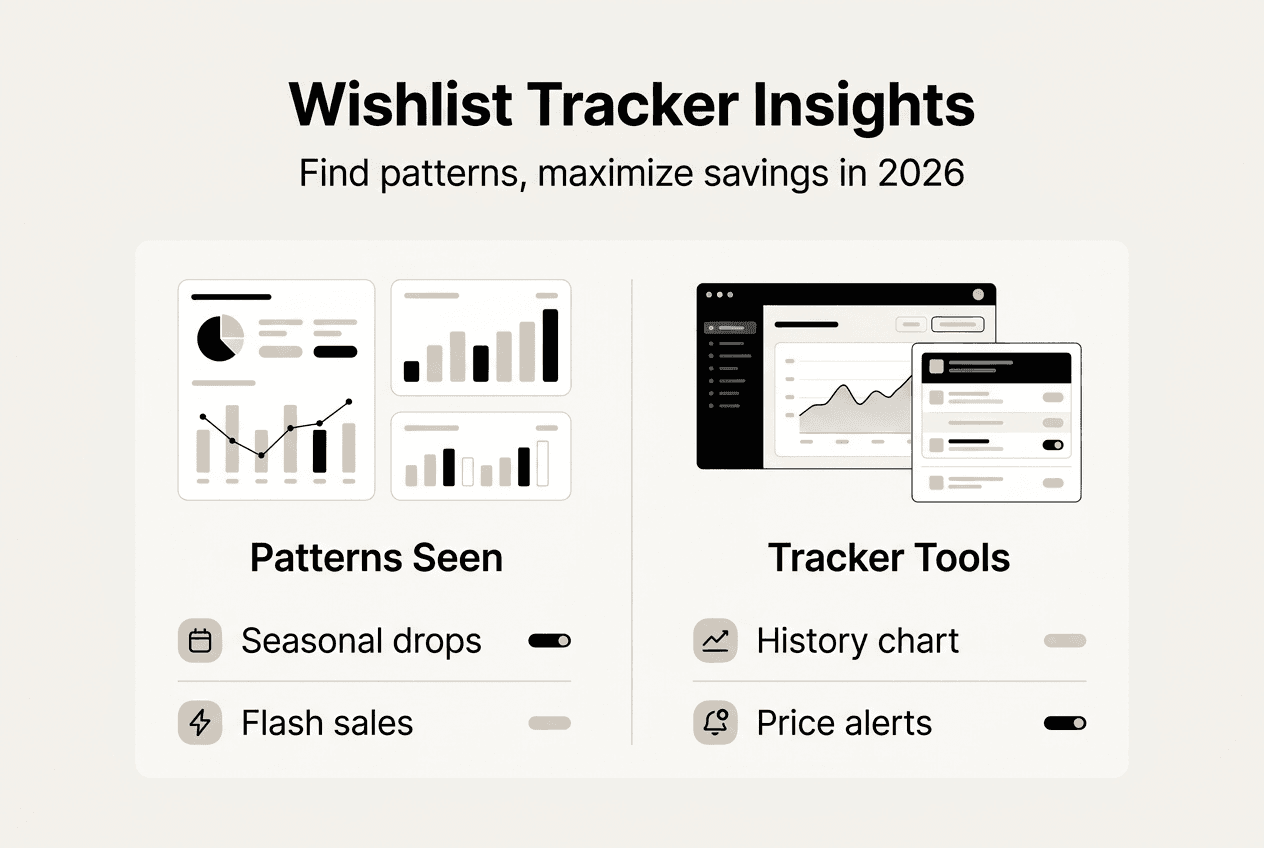
Price history charts reveal patterns like seasonal fluctuations, holiday discounts, and inventory clearance cycles. Cross-store comparison features aggregate the same product from multiple retailers, highlighting which merchant offers the lowest current price. This eliminates the need to manually search each site separately. Understanding this price tracking workflow in 2026 helps you leverage automation for maximum efficiency.
Pro Tip: Choose a tracker with multi-method extraction capabilities to maintain accuracy even when retailers update their site designs, ensuring you never miss a price drop due to technical limitations.
Popular wishlist tracking tools and their strengths
The wishlist tracking landscape includes both universal platforms and specialized tools. Popular tools include Shopie, which offers universal compatibility with detailed price and stock alerts plus historical charts, though some features may require subscriptions or display ads. Listful and Moonsift provide simple universal adding and sharing with price alerts, making them accessible for casual users, but their reviews may show vendor bias. CamelCamelCamel dominates Amazon-specific tracking with reliable history charts and alerts but lacks multi-store functionality. Karma integrates multi-store tracking with coupon discovery and cashback opportunities, maximizing savings beyond simple price drops.
Each tool targets different shopper profiles. Amazon-focused buyers benefit from CamelCamelCamel’s deep integration and extensive historical data spanning years. Shoppers who purchase across multiple retailers need universal platforms like Shopie or Karma that aggregate products from thousands of stores. Budget-conscious users appreciate Karma’s additional savings layers through automatic coupon application and cashback rewards that stack with price drops.

For deal-hunters, prioritize universal compatibility and low false-positive alerts over Amazon-only tools, and combine platforms with browser extensions for one-click wishlist additions. Extensions streamline the process of adding products while browsing, eliminating the need to manually copy URLs into tracker interfaces. This integration makes maintaining comprehensive wishlists effortless across shopping sessions.
Platform compatibility matters significantly. Mobile apps provide on-the-go access and instant push notifications, while web dashboards offer comprehensive management interfaces with advanced filtering and bulk operations. Some tools support both, syncing your wishlists across devices. Consider whether you primarily shop on desktop or mobile when evaluating options. Implementing best price tracking strategies in 2026 requires matching tool capabilities to your actual shopping patterns.
| Tool | Coverage | Key Strength | Limitation |
|---|---|---|---|
| Shopie | Universal | Detailed alerts and charts | May include ads/subscriptions |
| CamelCamelCamel | Amazon only | Deep historical data | Single retailer focus |
| Karma | Multi-store | Coupons and cashback | Complex interface for beginners |
| Listful | Universal | Simple sharing features | Potential vendor bias in reviews |
Notification preferences vary by user. Some prefer immediate alerts for any price change, while others set conservative thresholds to avoid notification fatigue. Most platforms allow granular control over alert frequency, minimum savings amounts, and delivery methods. Learning how to get price drop alerts online effectively means tuning these settings to match your tolerance for notifications and urgency for specific products.
Pro Tip: Use universal tools as your primary tracker and supplement with browser extensions for fast wishlist additions while browsing, creating a seamless workflow that captures every product of interest without disrupting your shopping experience.
Challenges with wishlist trackers and how to choose the right one
Wishlist trackers face technical and practical limitations that affect reliability. Edge cases include false positives from flash sales or cart-only discounts reaching up to 63%, rate limiting and bans from aggressive scraping, dynamic pricing mismatches, and poor support for non-standard sites requiring AI fallback, with solutions including user-voted price selection and staggered checks. Flash sales lasting minutes may trigger alerts for prices that expired before you receive the notification. Cart-only discounts appear as price drops but require adding items to cart to verify, creating frustration when the advertised price doesn’t materialize.
Scraping frequency creates a delicate balance. Checking too often risks detection and blocking by retailers who view automated access as potential competitive intelligence gathering or bot activity. Checking too infrequently means missing time-sensitive deals. Advanced trackers implement adaptive intervals that increase frequency for volatile products while reducing checks for stable items. This optimization preserves access while maintaining timely alerts.
Dynamic pricing algorithms adjust costs based on demand, location, browsing history, and inventory levels. A tracker may record one price while you see a different amount when visiting the product page. This discrepancy stems from personalization engines that serve unique prices to individual shoppers. Geographic location particularly affects pricing, with some retailers charging different amounts based on shipping destination or regional market conditions.
Complex site layouts challenge basic scrapers. Sites using heavy JavaScript rendering, infinite scroll, or unconventional price display formats require sophisticated parsing logic. Trackers without AI fallback capabilities struggle with these scenarios, resulting in missing data or incorrect price readings. This explains why multi-method extraction provides superior reliability across diverse retailers.
Users can improve accuracy through active participation. Some platforms allow voting on correct prices when discrepancies appear, training the system to identify reliable data sources. Reporting false positives helps developers refine detection algorithms. Staggering check intervals across your wishlist prevents concentrated traffic spikes that might trigger rate limiting. Understanding price drop alerts explained helps you interpret notifications correctly and avoid disappointment from false signals.
Retailer compatibility varies significantly between tools. Before committing, verify that your preferred stores appear in the tracker’s supported list. Some platforms excel with major retailers but struggle with niche or international sites. Privacy policies deserve scrutiny as well, since trackers access your shopping preferences and browsing patterns. Reputable services anonymize data and avoid selling information to third parties, while questionable platforms may monetize user behavior insights.
Pro Tip: Prioritize trackers with documented low false positive rates and multi-method data extraction, then test with a small wishlist before migrating your entire product collection to avoid wasting time on unreliable platforms.
Selection criteria should include alert accuracy, retailer coverage breadth, notification customization options, price history depth, mobile and desktop access, privacy protections, and cost relative to expected savings. Free tiers often suffice for casual shoppers tracking 10 to 20 items, while power users monitoring hundreds of products benefit from premium subscriptions offering unlimited tracking and advanced features. Exploring price alert benefits retailers use to save reveals how even merchants leverage similar technology, validating the approach for consumers.
Maximizing savings and efficiency with wishlist trackers
Wishlist trackers deliver measurable financial and time benefits when used strategically. Users save 15-30% on wishlist purchases, such as $120 on a $400 wishlist, and reduce weekly manual price checks by over 17 minutes, cutting overall overpayments by $217 annually. These savings compound over time, particularly for households making frequent online purchases or tracking expensive items like electronics, furniture, and appliances. The time reclaimed from eliminating manual checks adds up to over 14 hours annually, equivalent to nearly two full workdays.
Quantified outcomes demonstrate real value. A shopper tracking 50 items saves an average of $12 per purchase by waiting for optimal pricing windows. Over a year, this translates to substantial household budget relief. Time savings prove equally valuable, as automated monitoring eliminates the cognitive load of remembering to check prices and the frustration of discovering missed deals after purchase.
Practical implementation follows a systematic approach:
- Create organized wishlists by category or urgency across your preferred retailers to maintain clarity and prioritize high-value items.
- Set realistic alert thresholds using percentage drops for expensive items and absolute amounts for budget purchases to balance notification frequency with savings potential.
- Use combined tools for broad coverage, pairing a universal tracker with retailer-specific extensions to capture products from both major platforms and niche stores.
- Regularly review alert accuracy by verifying prices on retailer sites and adjusting thresholds or removing items that generate excessive false positives.
Organization prevents wishlist bloat and alert fatigue. Separate lists for immediate needs versus long-term wants help prioritize notifications. Tagging items by category, price range, or seasonal relevance enables filtering when reviewing alerts. Some users create separate wishlists for gift ideas, home improvement projects, and personal purchases to streamline decision making when deals appear.
Alert threshold optimization requires experimentation. Starting with 10-15% drops for most items provides meaningful savings without excessive notifications. High-ticket items warrant lower thresholds since even 5% represents significant dollar amounts. Commodity products with frequent price fluctuations may need higher thresholds to filter noise. Target price alerts work well when you’ve researched historical lows and know your maximum acceptable cost.
Average users reduce annual overpayments by $217 through automated wishlist tracking, equivalent to recovering the cost of a mid-range appliance or funding a weekend getaway simply by purchasing at optimal times.
Tool combination strategies maximize coverage and convenience. A universal tracker serves as your central dashboard while browser extensions enable instant additions during shopping sessions. Mobile apps provide on-the-go access to alerts and quick price checks when in physical stores comparing online alternatives. This layered approach ensures no opportunity slips through gaps in individual tool capabilities.
Regular maintenance keeps your system effective. Monthly reviews identify items no longer needed, preventing wasted monitoring resources. Updating thresholds based on observed price patterns improves signal-to-noise ratio. Removing products after purchase or losing interest declutters your dashboard and focuses alerts on active priorities. Following this guide to monitoring product prices online establishes sustainable habits that compound savings over years.
Seasonal timing amplifies benefits. Adding items to wishlists months before anticipated sales events like Black Friday, Prime Day, or end-of-season clearances positions you to capitalize immediately when prices drop. Historical data reveals optimal purchase windows for different product categories, such as electronics in November or outdoor furniture in September. The price tracking checklist for 2026 provides actionable steps to implement these timing strategies effectively.
Explore PriceLix for smart wishlist tracking
Now that you understand how wishlist trackers work and the strategies that maximize savings, consider exploring platforms designed specifically for this purpose. PriceLix offers comprehensive price alert tools that automate wishlist monitoring across thousands of retailers, providing the multi-store coverage and accuracy features discussed throughout this guide. The platform combines real-time alerts, detailed price history charts, and an intuitive dashboard that consolidates all your tracked items in one convenient location.
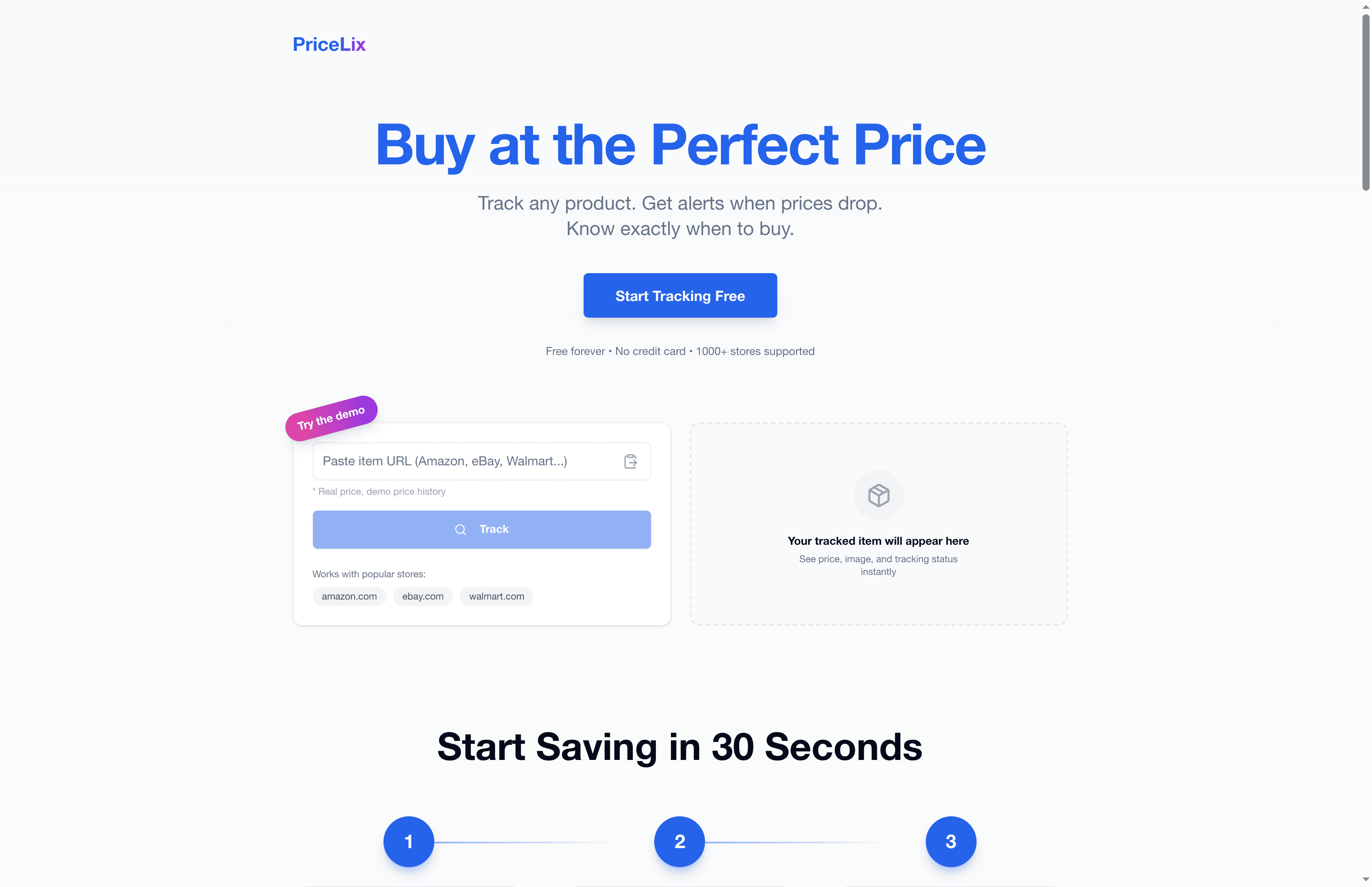
Whether you’re tracking a few high-priority items or managing extensive wishlists across multiple categories, PriceLix adapts to your needs without requiring browser extensions or complex setup. Visit the PriceLix homepage to start tracking products and receiving alerts today, putting the principles from this guide into immediate practice for tangible savings on your next purchase.
Frequently asked questions
What is a wishlist tracker?
A wishlist tracker is software that monitors saved products across online retailers for price drops, stock changes, and discounts, automatically alerting you when conditions meet your criteria. It eliminates manual price checking by continuously scanning your desired items and notifying you of optimal purchase opportunities.
How much can I save using a wishlist tracker?
Typical users save 15-30% on tracked purchases, with annual savings averaging $217 by avoiding overpayments through strategic timing. Individual savings vary based on wishlist size, product categories, and how consistently you wait for alerts before purchasing.
Do wishlist trackers work with all online stores?
Universal trackers support thousands of retailers including major platforms like Amazon, Walmart, and eBay, while specialized tools focus on specific stores. Coverage varies by tool, so verify your preferred retailers appear in the supported list before committing to a platform.
Are wishlist tracker alerts always accurate?
Alert accuracy ranges from 37-88% depending on the tool and retailer complexity, with false positives from flash sales and cart-only discounts being common challenges. Multi-method extraction and user-voted price verification improve reliability significantly compared to basic scrapers.
Can I use multiple wishlist trackers simultaneously?
Yes, combining a universal tracker for broad coverage with retailer-specific tools or browser extensions maximizes monitoring effectiveness and captures deals across diverse shopping platforms. This layered approach compensates for individual tool limitations and ensures comprehensive coverage.
How often do wishlist trackers check prices?
Check frequency varies from hourly to daily depending on the tool and subscription tier, with random intervals preventing detection as automated traffic. Premium tiers often offer more frequent monitoring for time-sensitive deals, while free versions typically check once daily.
Recommended
- Price Tracking Checklist 2026: Save 18% with Smart Alerts | PriceLix
- Top 5 camelcamelcamel.com Alternatives in 2026 for Smart Price Tracking | PriceLix
- Why Use Price Trackers: Maximizing Online Savings | PriceLix
- 6 Best Price Tracking Strategies 2026 for Online Shoppers | PriceLix
- Understanding Why Use Goal Trackers for Success – Optio Station: Best Project Management App for Prioritization