
7 Effective Types of Online Price Tracking for Savings
Finding the right moment to buy online is a challenge when prices change so quickly across stores and platforms. You might spend hours checking product pages, comparing deals, or waiting for a better offer—only to miss the price drop you hoped for. If you want to make confident shopping decisions and avoid paying more than you should, learning effective price tracking methods is essential.
This list will show you practical ways to track product prices, from manual options to automated tools and advanced alerts. You’ll discover strategies that give you more control, help you spot hidden patterns, and reveal the best times to buy. As you read each step, expect clear guidance that can save you time, money, and uncertainty when shopping online.
Table of Contents
- 1. Manual Price Tracking For Individual Products
- 2. Automated Daily Price Monitoring Tools
- 3. Price History Charts And Graphs
- 4. Real-Time Price Drop Alerts
- 5. Bulk Tracking For Multiple Items
- 6. Cross-Store Price Comparison Methods
- 7. Seasonal And Event-Based Sale Tracking
Quick Summary
| Key Insight | Explanation |
|---|---|
| 1. Manual tracking gives full control | Consumers can effectively monitor prices without relying on third-party tools, allowing personal insight into price trends. |
| 2. Automated tools save time | Automated price monitoring tools eliminate the need for manual tracking, providing real-time updates on price changes. |
| 3. Price history charts reveal patterns | Visual tools like charts help consumers understand pricing dynamics, making it easier to predict purchasing opportunities. |
| 4. Real-time alerts enhance savings | Instant notifications about price drops help consumers act quickly, maximizing potential savings on desired products. |
| 5. Seasonal tracking aids strategic buying | Monitoring seasonal patterns enables consumers to anticipate sales and make informed purchasing decisions during key events. |
1. Manual Price Tracking for Individual Products
Manual price tracking is the most basic yet fundamental approach to monitoring product prices across online platforms. This method requires consumers to personally review and record price changes for specific items they are interested in purchasing.
Understanding price fluctuations can save significant money. According to research on consumer buying decisions, careful price observation directly impacts purchasing strategies.
Here are key steps for effective manual price tracking:
- Identify specific products you want to monitor
- Check prices regularly on retailer websites
- Record price changes in a spreadsheet or notebook
- Compare prices across multiple platforms
- Note historical price trends and seasonal variations
Successful manual tracking requires consistent effort and attention to detail. Consumers must invest time in comparing prices, tracking historical data, and identifying optimal purchase windows.
Consistent monitoring can reveal price patterns that automated tools might miss.
Some retailers offer price history charts directly on product pages, which can simplify manual tracking. Other platforms provide basic price comparison features that help consumers make informed decisions.
Key Benefits of Manual Price Tracking:
- Complete control over tracking process
- No reliance on third-party tracking tools
- Deep personal understanding of price trends
- Zero additional software or subscription costs
Pro tip: Create a dedicated spreadsheet with columns for product name, current price, lowest recorded price, and date to streamline your manual tracking efforts.
2. Automated Daily Price Monitoring Tools
Automated daily price monitoring tools represent a sophisticated approach to tracking product prices across multiple online platforms. These intelligent systems eliminate the manual labor of price tracking by continuously scanning and analyzing price changes in real time.
Price intelligence systems leverage advanced data mining techniques to automate the complex process of price monitoring. By using web scraping and API integration, these tools collect comprehensive pricing data from numerous retailers and sources.
Key features of automated daily price monitoring tools include:
- Continuous 24/7 price tracking
- Instant price change notifications
- Historical price trend analysis
- Cross platform price comparisons
- Customizable alert settings
How Automated Tools Work:
- Crawl multiple retailer websites simultaneously
- Extract current product pricing information
- Compare prices against historical data
- Generate automated alerts for significant price drops
Automated monitoring transforms price tracking from a time consuming task into an effortless, strategic advantage.
These tools are particularly valuable for consumers looking to make smart purchasing decisions. By providing instant insights into pricing trends, they help shoppers identify the most opportune moments to make purchases.
The technology behind these tools goes beyond simple price checking. Automated trading technologies demonstrate how sophisticated data collection can revolutionize decision making across various markets.
Benefits of Automated Price Monitoring:
- Save significant time on manual price tracking
- Never miss a price drop
- Make data driven purchasing decisions
- Track prices across multiple retailers
Pro tip: Select price monitoring tools that offer customizable alerts and integrate with multiple platforms to maximize your savings potential.
3. Price History Charts and Graphs
Price history charts and graphs are powerful visual tools that transform complex pricing data into easy to understand insights for smart shoppers. These graphical representations reveal price trends and patterns that can help consumers make more informed purchasing decisions.
Price tracking systems provide detailed visual analytics that illustrate how product prices fluctuate over time. By presenting data through interactive charts and graphs, these tools make it simple to understand pricing dynamics at a glance.
Key elements of effective price history charts include:
- Chronological price progression
- Seasonal price variation indicators
- Lowest and highest price markers
- Average price calculation
- Color coded trend visualization
Understanding Price Graphs:
- Identify overall price trend direction
- Look for consistent price drop periods
- Recognize seasonal pricing patterns
- Compare current price to historical averages
Price history graphs transform raw numbers into actionable shopping intelligence.
These visual tools help consumers understand more than just current prices. They reveal complex market dynamics including seasonal discounts, long term pricing trends, and potential future price movements.
Benefits of Price History Charts:
- Reveal hidden pricing patterns
- Help predict best purchasing times
- Provide objective pricing context
- Enable data driven shopping decisions
Pro tip: Focus on price history charts that cover at least 12 months to get a comprehensive view of product pricing cycles.
4. Real-Time Price Drop Alerts
Real-time price drop alerts represent a cutting-edge technology that transforms online shopping by providing instant notifications about product price reductions. These intelligent alerts act like personal shopping assistants tracking prices for your favorite items across multiple online platforms.
Real-time pricing technologies leverage advanced machine learning models to monitor and predict price changes with remarkable precision. By analyzing massive amounts of pricing data continuously, these systems identify and communicate price drops within seconds.
Key features of real-time price drop alerts include:
- Instant notification delivery
- Customizable price threshold settings
- Multi platform tracking capabilities
- Personalized product monitoring
- Automated price comparison
How Real-Time Alerts Work:
- Select products to track
- Set desired price range
- Receive instant mobile or email notifications
- Make informed purchasing decisions
Real-time price alerts turn random shopping into strategic savings.
These alerts are particularly powerful for consumers seeking maximum savings potential. By receiving immediate updates about price reductions, shoppers can capitalize on fleeting discounts before they disappear.
Benefits of Price Drop Alerts:
- Never miss a significant discount
- Save money effortlessly
- Track prices across multiple retailers
- Make data driven purchasing decisions
Pro tip: Configure alerts with multiple price thresholds to capture both minor and major price reductions across your most desired products.
5. Bulk Tracking for Multiple Items
Bulk tracking for multiple items represents a powerful strategy for savvy online shoppers looking to monitor prices across numerous products simultaneously. This advanced approach transforms price tracking from a time consuming manual process into an efficient automated system.
Bulk data tracking technologies enable consumers to monitor multiple product prices with unprecedented ease and precision. By consolidating price information for numerous items in one dashboard, shoppers can make smarter purchasing decisions without hours of manual research.
Key features of bulk tracking include:
- Simultaneous price monitoring for multiple products
- Centralized tracking dashboard
- Comprehensive comparison across retailers
- Instant notifications for price changes
- Automated data collection and analysis
How Bulk Tracking Works:
- Select multiple products to monitor
- Add items to tracking list
- Configure price alert preferences
- Receive consolidated price updates
Bulk tracking turns price monitoring from a chore into a strategic advantage.
These systems leverage advanced computer vision and algorithmic tracking to provide comprehensive price insights. By analyzing multiple items concurrently, bulk tracking tools help consumers identify the best possible purchasing opportunities.
Benefits of Bulk Price Tracking:
- Save significant time on price research
- Track complex product portfolios
- Compare prices across multiple platforms
- Make data driven purchasing decisions
Pro tip: Organize your bulk tracking list by priority and set different alert thresholds for high value and low cost items to optimize your savings strategy.
6. Cross-Store Price Comparison Methods
Cross-store price comparison methods offer a sophisticated approach to uncovering the most competitive pricing across multiple online retailers. This strategic technique allows consumers to identify the absolute best deals by analyzing prices from different stores simultaneously.
Academic research on cross-store pricing reveals significant pricing variations between retailers, demonstrating the substantial savings potential of comprehensive price comparisons.
Key components of effective cross-store price comparison include:
- Synchronous data collection from multiple retailers
- Sophisticated item matching algorithms
- Real-time price tracking
- Comprehensive price history analysis
- Filtering out irrelevant or misleading price data
Strategies for Effective Comparison:
- Identify exact product specifications
- Verify product authenticity across stores
- Compare total costs including shipping
- Consider warranty and return policies
- Check for additional promotional discounts
Cross-store price comparison transforms random shopping into strategic savings.
These methods go beyond simple price checking. By leveraging advanced comparison technologies, consumers can make informed purchasing decisions that maximize their savings potential.
Benefits of Cross-Store Price Comparison:
- Discover lowest available prices
- Uncover hidden discounts
- Compare product value comprehensively
- Make data driven purchasing choices
- Reduce overall shopping expenses
Pro tip: Configure your price comparison tools to track prices across at least five different retailers to ensure you capture the most comprehensive pricing landscape.
7. Seasonal and Event-Based Sale Tracking
Seasonal and event-based sale tracking represents a sophisticated strategy for maximizing savings by identifying predictable pricing patterns during specific times of the year. These tracking methods allow consumers to anticipate and capitalize on strategic shopping windows.
Seasonal pricing research reveals complex patterns of retail discounting tied to specific events and seasonal changes. Retailers strategically adjust prices to manage inventory and attract consumers during key shopping periods.
Key aspects of seasonal sale tracking include:
- Identifying major shopping events
- Monitoring historical price trends
- Understanding retailer inventory cycles
- Predicting potential discount windows
- Tracking holiday and seasonal sales patterns
Strategic Tracking Methods:
- Analyze previous years’ sale data
- Monitor retailer promotional calendars
- Track inventory clearance periods
- Identify specific product seasonal trends
- Set price drop alerts for target events
Mastering seasonal tracking transforms random shopping into strategic savings.
These advanced tracking techniques go beyond simple price monitoring. By understanding complex retail pricing dynamics, consumers can strategically time their purchases to maximize savings.
Benefits of Seasonal Sale Tracking:
- Predict best purchasing times
- Avoid impulse buying at full price
- Understand cyclical pricing patterns
- Plan major purchases strategically
- Save significant money on desired items
Pro tip: Create a dedicated tracking list for big ticket items and set alerts for key shopping events like Black Friday, Cyber Monday, and end-of-season clearance sales.
Below is a comprehensive table summarizing various methods and strategies for tracking prices across online platforms, as discussed in the article.
| Method | Key Features | Benefits |
|---|---|---|
| Manual Price Tracking | Review and record price changes manually. | Control over process, zero cost. |
| Automated Monitoring Tools | Use technology to track prices and send alerts. | Save time, access detailed data. |
| Price History Charts | Visual representation of price trends. | Identify patterns and averages. |
| Real-Time Price Drop Alerts | Get notifications for price decreases. | Seize fleeting discounts. |
| Bulk Price Tracking | Monitor multiple items concurrently. | Streamlines research across products. |
| Cross-Store Price Comparison | Compare prices across retailers. | Discover best deals, comprehensive view. |
| Seasonal Sale Tracking | Anticipate discount patterns and events. | Plan purchases strategically. |
Take Control of Your Savings with PriceLix’s Automated Price Tracking Solutions
The article “7 Effective Types of Online Price Tracking for Savings” highlights how challenging it can be to manually track multiple product prices, analyze complex pricing trends, and time purchases perfectly to maximize discounts. If you find yourself overwhelmed by the effort required to monitor price drops, historical charts, and seasonal sales across many retailers, you are not alone. The pain points of manual tracking, missing out on real-time alerts, and struggling to compare prices from different stores can lead to overspending and lost opportunities.
PriceLix offers an intelligent, user-friendly platform designed to tackle these exact challenges. With automated daily price monitoring, real-time drop alerts, and powerful price history charts, PriceLix removes the guesswork from your shopping strategy. Instead of tedious manual tracking, you get a centralized dashboard that keeps you informed instantly on price changes for items across over a thousand stores like Amazon, Walmart, and eBay. This means less stress, more savings, and smarter decisions tailored to your favorite products.
Ready to simplify your price tracking and start saving like a pro with minimal effort Explore PriceLix today.
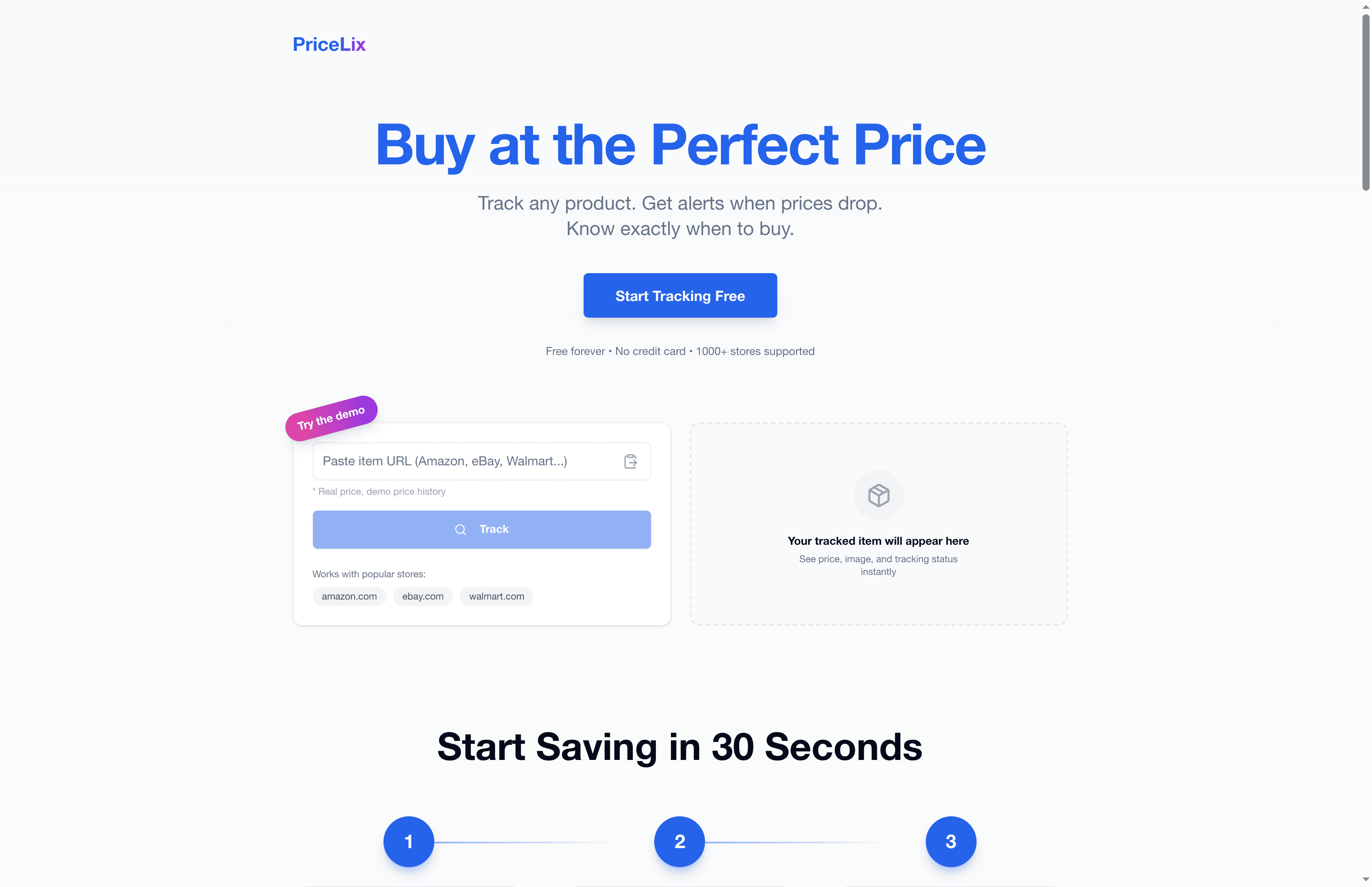
Maximize your savings potential by joining thousands of savvy shoppers already benefiting from automated alerts and comprehensive price insights. Stop missing discounts and seize your smartest buying moments now by visiting PriceLix’s homepage. For detailed guidance on how to use price history charts and alerts effectively, check out our platform here. Your best deal is just a click away.
Frequently Asked Questions
What is manual price tracking, and how can it help me save money?
Manual price tracking involves personally monitoring and recording price changes for specific products you’re interested in. By regularly comparing prices, you can identify the best times to purchase, potentially saving you significant money over time.
How do automated daily price monitoring tools work?
Automated daily price monitoring tools continuously track prices across multiple online retailers and provide real-time updates about changes. To benefit, choose a tool, set your preferences, and let it do the work, delivering insights without manual effort.
What features should I look for in price history charts?
Effective price history charts should display chronological price trends, seasonal variations, and markers for highest and lowest prices. To make the most informed purchasing decisions, focus on charts that illustrate at least 12 months of price data.
How can I set up real-time price drop alerts?
To set up real-time price drop alerts, select the products you want to monitor, specify your desired price thresholds, and choose your notification preferences. This way, you can receive instant updates whenever prices fall, allowing you to act swiftly on discounts.
What advantages does bulk tracking offer for online shopping?
Bulk tracking allows you to monitor prices for multiple items simultaneously, streamlining your shopping process. By utilizing a centralized dashboard, you can save time and make informed decisions about financing your purchases effectively.
How can I effectively use cross-store price comparison methods?
To effectively use cross-store price comparison methods, identify the exact specifications of the products you want, and then compare prices from various retailers. Always consider total costs, including shipping and possible discounts, to ensure you’re maximizing savings.