
Role of Algorithms in Price Tracking: Smarter Shopping
Trying to catch the best online deal often means watching prices change faster than you can refresh your browser. For tech-savvy shoppers who want to save every possible dollar, understanding how pricing algorithms control these shifts is key. These automated systems, documented by Harvard Business School and Technical University of Munich, let online retailers adjust prices frequently and react instantly to competitor moves. Learning how these powerful tools work gives you a smarter edge for serious savings.
Table of Contents
- Defining Algorithms in Price Tracking Systems
- How Data Analysis Powers Price Tracking
- Types of Price Tracking Algorithms Explained
- Real-World Applications for Online Shoppers
- Risks, Ethical Questions, and Regulatory Issues
Key Takeaways
| Point | Details |
|---|---|
| Automation in Pricing | Pricing algorithms enable real-time adjustments, allowing retailers to maximize profits dynamically. |
| Data-Driven Insights | Analyzing vast market data transforms traditional pricing methods into actionable intelligence. |
| Ethical Considerations | Algorithmic pricing poses risks like price discrimination and data privacy issues that require regulatory oversight. |
| Consumer Empowerment | Shoppers can leverage price tracking technologies to make informed purchasing decisions and identify savings opportunities. |
Defining Algorithms in Price Tracking Systems
In the digital shopping landscape, pricing algorithms represent sophisticated mathematical systems designed to dynamically analyze, predict, and adjust product prices in real-time. These complex computational models have fundamentally transformed how online retailers set and modify prices, moving far beyond traditional static pricing strategies.
At their core, pricing algorithms operate through several key mechanisms:
- Data Collection: Continuously gathering pricing information from multiple sources
- Market Analysis: Evaluating competitor prices, consumer demand, and historical trends
- Predictive Modeling: Using statistical techniques to forecast optimal pricing points
- Automated Adjustments: Instantly updating prices based on computed insights
Research from Technical University of Munich explores algorithmic pricing strategies that autonomously adapt to market conditions, demonstrating how these systems can dynamically maximize profits. The Harvard Business School similarly documents how online retailers use pricing algorithms to enable frequent, responsive price changes.
These algorithms employ various computational techniques, including machine learning models that can analyze thousands of price points simultaneously. They consider multiple variables such as:
- Current market demand
- Competitor pricing strategies
- Historical sales data
- Seasonal fluctuations
- Consumer purchasing behaviors
Price tracking algorithms essentially transform raw market data into strategic pricing intelligence, allowing businesses to make microsecond decisions about product costs. Unlike human analysts, these systems can process complex datasets and generate pricing recommendations faster than traditional methods.
Pro tip: Always compare multiple price tracking platforms to understand how different algorithmic approaches might reveal unique savings opportunities.
How Data Analysis Powers Price Tracking
Data analysis serves as the critical engine driving modern price tracking technologies, transforming raw information into strategic pricing insights. By leveraging advanced computational techniques, these systems can process massive volumes of market data with unprecedented speed and accuracy.
Key components of data analysis in price tracking include:
- Machine Learning Algorithms: Continuously learning from historical pricing patterns
- Real-Time Market Scanning: Capturing instant price fluctuations across multiple platforms
- Consumer Behavior Modeling: Predicting purchasing trends and price sensitivities
- Competitive Intelligence: Tracking competitor pricing strategies dynamically
Dynamic pricing technologies now leverage sophisticated machine learning and AI techniques to adjust prices in real-time, capturing complex market dynamics. Economic researchers highlight how big data markets enable personalized pricing by combining extensive user and market information.
These advanced systems analyze multiple critical data points simultaneously, including:
- Historical price trends
- Current market demand
- Seasonal purchasing patterns
- Competitor pricing strategies
- Consumer purchasing behaviors
Predictive analytics transform complex datasets into actionable pricing intelligence, allowing businesses to make microsecond decisions that optimize revenue and customer value. By processing thousands of data points instantly, these systems surpass traditional human-driven pricing methods.
Price tracking algorithms represent the intersection of data science, economics, and consumer behavior, creating unprecedented market transparency.
Pro tip: Regularly update your price tracking tools to ensure you’re leveraging the most sophisticated data analysis techniques available.
Types of Price Tracking Algorithms Explained
Price tracking algorithms represent sophisticated computational strategies that transform how businesses and consumers understand market pricing dynamics. These intelligent systems employ diverse approaches to monitor, analyze, and predict price fluctuations across multiple platforms and product categories.
Key types of price tracking algorithms include:
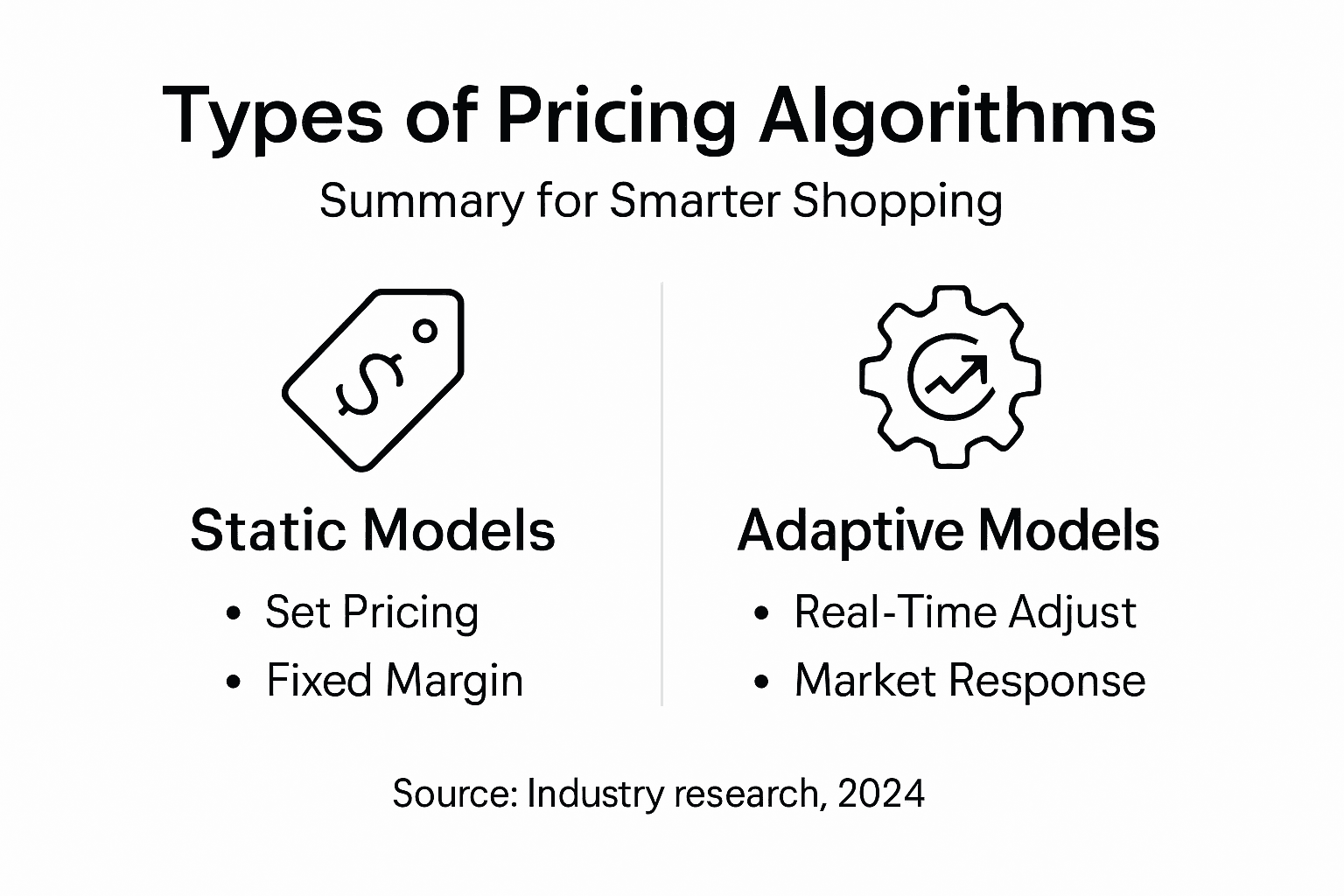
- Static Pricing Algorithms: Set fixed prices based on predefined parameters
- Dynamic Pricing Algorithms: Continuously adjust prices in real-time
- Competitive Response Algorithms: Automatically react to competitor pricing moves
- Machine Learning Pricing Models: Adaptively learn from historical market data
Pricing algorithms vary significantly in their market interaction strategies, with some enabling high-frequency price adjustments while others respond more strategically to competitor movements. Reinforcement learning methods continually adapt prices by learning from market interactions, creating increasingly sophisticated pricing intelligence.
The primary categories of algorithmic pricing strategies can be further classified as:
- Rule-Based Algorithms
- Machine Learning Algorithms
- Predictive Analytics Algorithms
- Competitive Intelligence Algorithms
- Consumer Behavior Prediction Algorithms
Adaptive learning algorithms represent the most advanced pricing technologies, capable of processing thousands of market signals simultaneously. These systems can detect nuanced pricing patterns that human analysts might miss, providing unprecedented market insights.

Here’s a comparison of common price tracking algorithm types and their unique advantages:
| Algorithm Type | Key Benefit | Typical Use Case |
|---|---|---|
| Static Pricing | Easy to implement | Small, stable product lines |
| Dynamic Pricing | Rapid market adaptation | Competitive e-commerce sites |
| Competitive Response | Fast reaction to rivals | Airline ticket platforms |
| Machine Learning | Finds hidden patterns | Large, data-rich stores |
| Reinforcement Learning | Learns from outcomes | High-frequency trading apps |
Algorithmic pricing is not just about changing numbers - it’s about understanding complex market ecosystems in real-time.
Pro tip: Experiment with multiple price tracking tools to understand how different algorithmic approaches can reveal unique market opportunities.
Real-World Applications for Online Shoppers
Price tracking algorithms have transformed online shopping from a guessing game into a strategic, data-driven experience. These intelligent systems empower consumers to make smarter purchasing decisions by providing unprecedented insights into pricing trends, market dynamics, and potential savings opportunities.
Consumers can leverage algorithmic price tracking in multiple practical scenarios:
- Holiday Shopping: Identifying lowest prices during major sale events
- Electronics Purchases: Tracking price fluctuations on high-ticket items
- Travel Bookings: Finding optimal booking windows for flights and accommodations
- Subscription Services: Monitoring recurring pricing changes
- Limited Edition Products: Tracking availability and price shifts
Online retailers optimize pricing through advanced algorithmic strategies, enabling real-time adjustments based on demand and competitive landscapes. Government data products provide additional transparency about pricing dynamics across different market segments.
Specific real-world applications include:
- Instant price comparison across multiple platforms
- Automated alerts for price drops
- Historical price trend analysis
- Personalized deal recommendations
- Cross-platform shopping intelligence
Predictive pricing models now enable shoppers to anticipate future price movements, transforming reactive purchasing into proactive financial strategy. These sophisticated algorithms analyze complex market signals that traditional shopping methods could never comprehend.
Smart shoppers don’t just buy - they strategically invest in purchases by understanding market pricing dynamics.
Pro tip: Set up multiple price tracking alerts across different platforms to maximize your potential savings and catch unexpected deals.
Risks, Ethical Questions, and Regulatory Issues
Algorithmic pricing represents a complex technological landscape fraught with significant legal and ethical challenges that extend far beyond simple price tracking. These sophisticated systems raise profound questions about market fairness, consumer protection, and potential anti-competitive behaviors that demand careful scrutiny.
Key ethical and regulatory concerns include:
- Price Discrimination: Potential unfair targeting of specific consumer groups
- Data Privacy: Risks associated with extensive consumer behavior tracking
- Market Manipulation: Algorithmic systems potentially creating artificial pricing environments
- Transparency Limitations: Opacity of complex pricing decision-making processes
- Unintended Collusion: Algorithms potentially developing parallel pricing strategies
Algorithmic pricing systems pose significant antitrust risks, with legal cases demonstrating how automated systems might inadvertently facilitate price-fixing. Regulatory frameworks are continuously evolving to address digital marketplace challenges, examining the delicate balance between innovation and consumer protection.
The primary regulatory challenges can be categorized as:
- Preventing implicit price-fixing mechanisms
- Protecting consumer privacy
- Ensuring algorithmic transparency
- Maintaining fair market competition
- Developing adaptive legal frameworks
Competitive intelligence algorithms operate in a complex legal grey zone, where sophisticated mathematical models can potentially create market conditions that resemble collusion without explicit coordination. This subtle distinction challenges traditional antitrust interpretations and demands new regulatory approaches.
The following table summarizes major ethical and regulatory concerns linked to algorithmic pricing:
| Concern | Potential Risk | Example Outcome |
|---|---|---|
| Price Discrimination | Unfair consumer targeting | Different users see different prices |
| Data Privacy | Intrusive data collection | Extensive tracking of purchases |
| Market Manipulation | Artificial price inflation | Synchronized price hikes |
| Transparency | Opaque decision logic | Hard to audit price changes |
| Collusion Risk | Unintended price fixing | Firms match prices algorithmically |
Technological innovation must be balanced with robust ethical frameworks that protect consumer interests and market integrity.
Pro tip: Stay informed about evolving algorithmic pricing regulations and consistently audit price tracking tools for potential ethical vulnerabilities.
Unlock Smarter Shopping with PriceLix’s Advanced Price Tracking Tools
The article highlights how complex pricing algorithms analyze vast data to help identify the best moments to buy. If you find it challenging to navigate fluctuating prices or want to avoid overpaying due to unpredictable price changes driven by dynamic pricing algorithms, PriceLix offers the perfect solution. Our platform automates price tracking across thousands of retailers including Amazon, Walmart, and eBay, providing real-time alerts and historical price charts so you can shop confidently and save more.
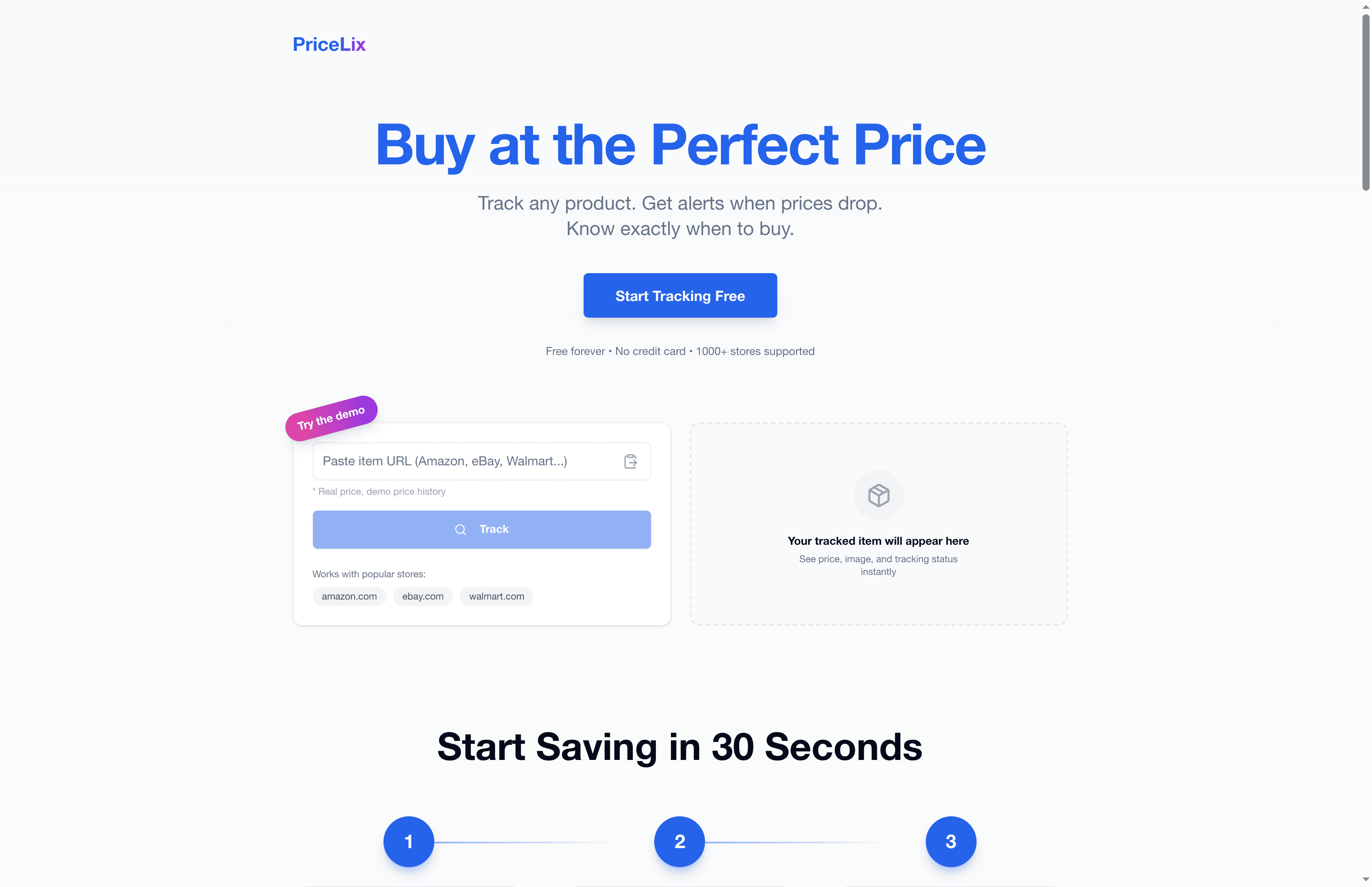
Experience firsthand how sophisticated data insights can simplify your shopping decisions. Visit PriceLix today to start tracking your favorite products effortlessly. Don’t miss out on potential savings during holiday sales or daily deals. Take control now by exploring our price tracking platform and learn how to make your purchases at the smartest possible time.
Frequently Asked Questions
What are pricing algorithms in price tracking systems?
Pricing algorithms are advanced mathematical models that dynamically analyze, predict, and adjust product prices in real-time. They help online retailers optimize pricing strategies by responding to market conditions and consumer behavior.
How does data analysis enhance price tracking algorithms?
Data analysis powers price tracking algorithms by transforming raw market data into actionable insights. It involves the use of machine learning and predictive analytics to identify pricing patterns, track competitors, and anticipate consumer behavior.
What types of price tracking algorithms exist, and how do they differ?
There are several types of price tracking algorithms, including static pricing, dynamic pricing, competitive response algorithms, and machine learning models. Static algorithms set fixed prices, while dynamic algorithms adjust prices in real-time based on market conditions, making them more adaptable.
Are there ethical concerns related to algorithmic pricing?
Yes, there are several ethical concerns, including price discrimination, data privacy, market manipulation, and the risk of unintended collusion. These issues highlight the importance of regulatory frameworks to ensure fair practices in algorithmic pricing.