
Seasonal pricing trends 2026: save smart shopping
Many shoppers believe Black Friday always offers the best prices, but this is often untrue. Seasonal price fluctuations create hidden opportunities beyond major sales events. This guide will reveal how to decode seasonal pricing, leverage price tracking tools, and time purchases for maximum savings across e-commerce platforms.
Table of Contents
- Understanding Seasonal Pricing Trends In E-Commerce
- Key Seasonal Sale Periods And Their Price Impacts
- Common Misconceptions About Seasonal Pricing
- Technological Advances In Tracking And Forecasting Prices
- Category-Specific Seasonal Pricing Patterns
- Leveraging Price Tracking And Comparison Platforms For Buying Strategy
- Summary And Actionable Next Steps For Smart Shopping
- Boost Your Savings With Pricelix In 2026
Key takeaways
| Point | Details |
|---|---|
| Seasonal price fluctuations in e-commerce range between 10% and 40% depending on category and timing. | Understanding these patterns helps you identify genuine savings opportunities. |
| Black Friday discounts are not always the lowest prices compared to mid-year sales. | About 30% of Black Friday deals can be found cheaper at other times. |
| Price tracking tools can increase savings by up to 20% and provide alerts for optimal buying windows. | Automated monitoring eliminates manual effort and catches price drops instantly. |
| Different product categories have unique seasonal trends affecting the best purchase timing. | Electronics, apparel, and home goods each follow distinct discount cycles. |
| Combining knowledge of seasonal trends with price tracking enables smarter, more confident buying decisions. | Data-driven strategies replace guesswork and maximize your purchasing power. |
Understanding seasonal pricing trends in e-commerce
Seasonal pricing is driven by supply and demand cycles tied to holidays and inventory turnover. Retailers adjust prices strategically to maximize revenue during peak demand periods and clear stock during slower seasons. Average seasonal discounts range between 10% and 40%, influenced by supply and demand cycles and inventory management.
Prices fluctuate because high demand before holidays pushes prices up, while discounting after clears excess inventory. Understanding these mechanisms helps you anticipate when prices rise and fall. This knowledge transforms you from a reactive buyer into a strategic shopper who times purchases deliberately.
Seasonal trends differ by category:
- Electronics follow product refresh cycles, with significant drops during mid-year launches
- Apparel sees deepest discounts during post-season clearances
- Home goods show varied patterns influenced by regional factors and consumer behavior
- Holiday-related items peak before events and plummet immediately after
By recognizing these patterns, you can plan purchases around predictable discount windows. This approach requires patience but delivers consistent savings that compound over time.
Key seasonal sale periods and their price impacts
Black Friday offers significant discounts, especially around 35% off electronics, but not always the lowest prices of the year. Winter apparel shows deepest discounts around 25% after the holiday season during clearance periods. Before sales, holiday demand often drives prices up temporarily, creating timing challenges for shoppers.
Other key periods include mid-year electronics refresh sales and end-of-season clearances. Each event creates unique opportunities depending on what you’re shopping for. The table below compares major seasonal sale events:
| Sale Period | Primary Categories | Average Discount | Optimal Timing |
|---|---|---|---|
| Black Friday | Electronics, appliances | 25% to 35% | Late November |
| Post-Holiday Clearance | Winter apparel, decorations | 25% to 40% | Early January |
| Mid-Year Sales | Electronics, tech | 20% to 30% | June to July |
| End-of-Season | Seasonal apparel, outdoor | 30% to 40% | Late season |
| Prime Day | Various categories | 15% to 25% | Mid-July |
Recognize that timing matters as much as the sale event itself. Prices often creep up weeks before major sales to create an illusion of deeper discounts. Smart shoppers track prices over time rather than trusting advertised savings percentages.
Common misconceptions about seasonal pricing
Not all Black Friday deals are genuine or the lowest prices. Around 30% are cheaper at other times of the year. Electronics prices sometimes drop more mid-year than during holiday sales, especially when manufacturers release new models.
Timing purchases based solely on sale days is insufficient. Historical price data reveals better windows that most shoppers miss. Common shoppers fail by applying uniform buying strategies across all categories without considering product-specific cycles.
Key myths to avoid:
- Assuming all advertised sale prices represent genuine discounts
- Believing holiday sales always offer the deepest savings
- Thinking you must buy immediately during flash sales
- Ignoring mid-year opportunities for electronics and tech
- Trusting percentage-off claims without checking price history
Pro Tip: Check historical price data and set alerts rather than relying on assumptions about sale timing. This simple habit protects you from artificial urgency tactics and helps you spot truly exceptional deals.
Technological advances in tracking and forecasting prices
Modern price tracking platforms use machine learning to forecast price drops with high accuracy around 80%. Tools reduce the need for manual monitoring by sending real-time alerts on price changes. Using these tools increases average savings by approximately 20% compared to manual shopping.
Integration of historical price chart reviews assists in identifying optimal buy windows. You can see exactly when products typically drop in price and wait strategically. These platforms analyze thousands of data points across retailers to predict future price movements.
Key technological benefits:
- Automated daily price checks across multiple retailers
- Machine learning algorithms that identify discount patterns
- Instant notifications when prices hit your target threshold
- Historical charts showing 6 to 12 months of price data
- Comparison tools that highlight the best current offers
Pro Tip: Combine AI forecasts with knowledge of seasonal trends for best timing and savings. Technology handles the monitoring while you apply strategic thinking about when categories typically see their deepest discounts. This partnership between automation and intelligence maximizes your results.
Category-specific seasonal pricing patterns
Winter apparel sees deepest discounts ranging from 25% to 40% after holidays during clearance runs. Electronics experience price drops mid-year aligned with product refresh cycles, sometimes better than holiday sales. Home goods categories have less predictable but varied discount cycles throughout the year.
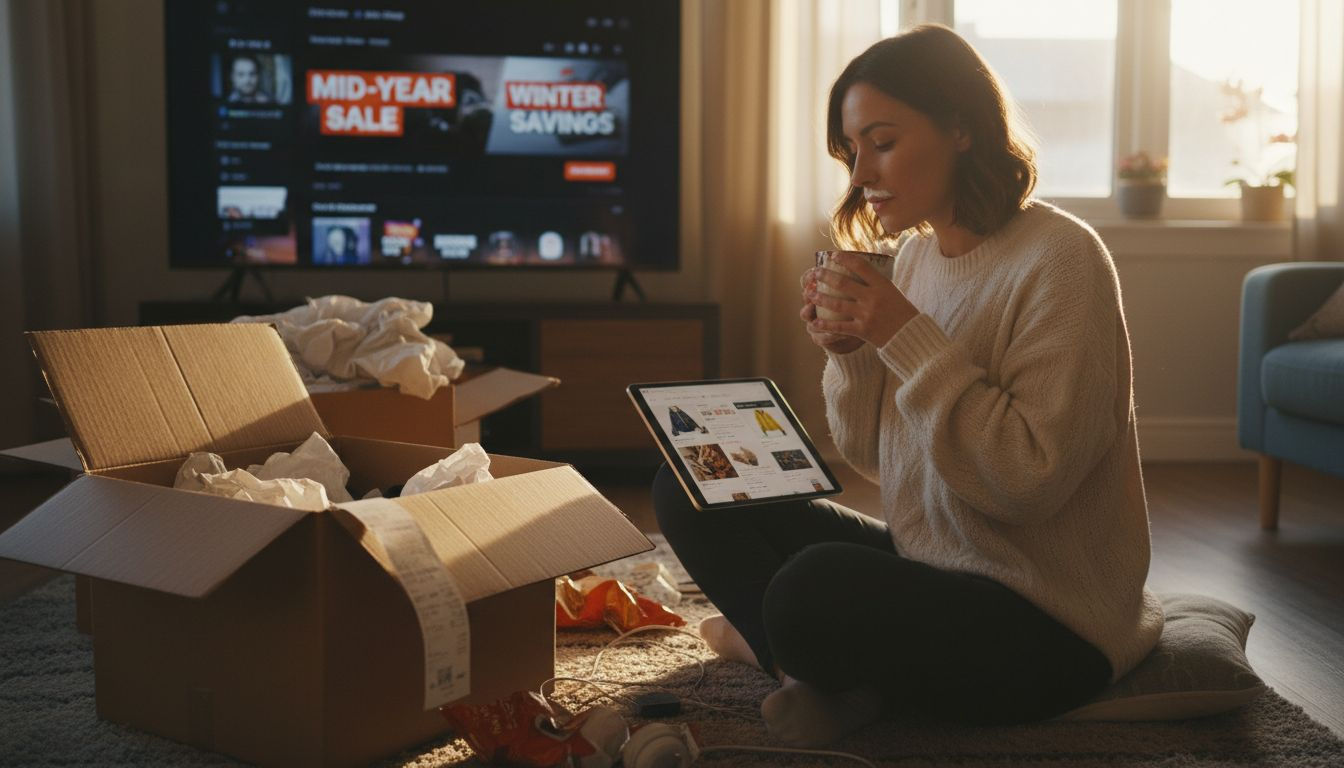
Using category trends improves timing for each purchase type rather than adopting a one-size-fits-all approach. Each category follows its own rhythm based on manufacturing cycles, seasonal demand, and inventory management practices.
| Category | Peak Discount Period | Average Discount | Secondary Period |
|---|---|---|---|
| Winter Apparel | January to February | 25% to 40% | End of November |
| Electronics | June to July | 20% to 30% | Black Friday |
| Home Goods | January and September | 15% to 25% | Various |
| Outdoor Equipment | End of summer | 30% to 40% | Early spring |
| Beauty Products | Post-holiday | 20% to 30% | Mid-year |
Electronics timing revolves around product launches. When new models arrive, previous generations drop significantly. This pattern is predictable and offers better value than holiday discounts if you’re willing to buy last year’s model.
Apparel follows strict seasonal cycles. Retailers need to clear winter inventory before spring arrives, creating dramatic discounts. The same pattern repeats for summer clothing as fall approaches.
Leveraging price tracking and comparison platforms for buying strategy
Here’s a step-by-step guide to using price tracking platforms effectively:
- Identify which product categories match your shopping needs and research their seasonal trends
- Analyze historical price data going back 6 to 12 months to spot recurring patterns
- Set customized price alerts at your target threshold, typically 15% to 20% below current prices
- Combine this knowledge with product launch calendars to anticipate refresh cycles
- Purchase within predicted low-price windows rather than reacting to artificial urgency
Practical tips for maximizing platform benefits:
- Use multiple alerts at different thresholds to catch various discount levels
- Review price history before buying to confirm you’re getting a genuine deal
- Be patient for deepest discounts rather than settling for modest savings
- Track competitors simultaneously to identify which retailer offers the best price
- Leverage data from global market research reports to understand broader seasonal dynamics
Pro Tip: Use a combination of alerts and research rather than relying solely on automated signals. Technology provides data, but your judgment determines strategy. Understanding why prices drop helps you predict when similar patterns will repeat.
The most effective approach combines multiple information sources. Check comprehensive tracking strategies and use a detailed checklist to ensure you’re covering all bases. Different types of tracking approaches suit different shopping styles.
Summary and actionable next steps for smart shopping
Seasonal pricing fluctuations stem from supply and demand cycles, inventory management, and strategic retailer pricing. These patterns create predictable opportunities when you know where to look. The impact ranges from 10% to 40% depending on category and timing.
Using data-driven tools and price histories informs purchase timing far better than guessing. Historical data removes uncertainty and replaces it with confidence. You stop wondering if you’re getting a good deal and start knowing.
Avoid common pitfalls:
- Never rely solely on advertised sale days without checking price history
- Don’t ignore category-specific trends that reveal better timing
- Stop assuming Black Friday offers the lowest prices automatically
- Avoid impulse purchases driven by artificial scarcity tactics
Recommend consistent use of price alerts combined with product cycle awareness. This dual approach catches both predicted drops and unexpected opportunities. Automation handles monitoring while you focus on strategic decisions.
Your actionable checklist:
- Sign up for a price tracking platform today
- Add items you’re considering to your watchlist
- Set alerts 15% to 20% below current prices
- Review historical charts before any purchase
- Wait for seasonal windows that match your product category
- Compare multiple retailers before buying
- Document your savings to reinforce the habit
Start small with one or two tracked items and expand as you see results. The habits you build now will save thousands over time.
Boost your savings with PriceLix in 2026
Understanding seasonal trends is powerful, but applying that knowledge consistently requires the right tools. PriceLix provides everything you need to spot seasonal price drops and set smart alerts automatically.
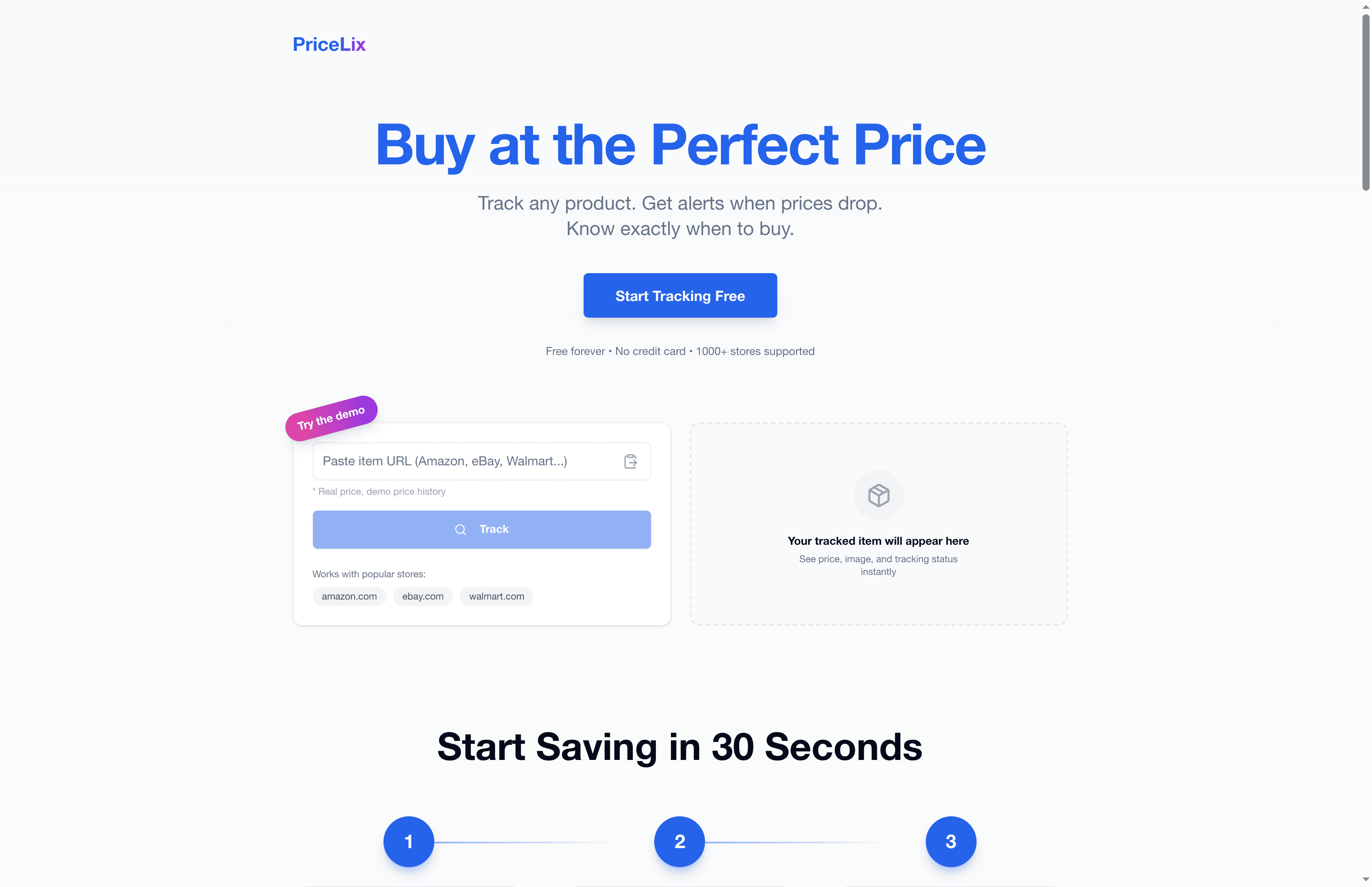
Access historical price data spanning months to identify patterns at a glance. AI-driven forecasts predict upcoming drops with impressive accuracy, helping you time purchases perfectly. The platform monitors over a thousand stores daily, so you never miss an opportunity.
Pro Tip: Automate your savings with PriceLix alerts to never miss a seasonal deal again. Set your target price once and let the system notify you when items hit your threshold. This approach combines the insights from this guide with powerful automation.
Explore detailed tracking strategies to maximize platform benefits. Combining seasonal knowledge with PriceLix capabilities creates a shopping system that consistently delivers results.
What causes seasonal pricing trends on e-commerce platforms?
What drives seasonal pricing fluctuations?
Supply and demand fluctuations create the foundation for seasonal pricing, with retailers adjusting prices based on anticipated consumer behavior. Inventory cycles force clearance discounting when stock must move to make room for new products. Product launches and refresh cycles add another layer, particularly in electronics and tech categories.
How do holidays impact pricing strategies?
Holidays create concentrated demand periods that allow retailers to charge premium prices before the event and discount heavily afterward. Seasonal changes in consumer needs, like winter apparel or summer outdoor equipment, drive predictable price patterns. Retailers design pricing strategies to encourage spending at strategic times when profit margins are highest.
How can I predict the best time to buy specific products online?
Leverage historical price charts showing 6 to 12 months of data to identify recurring discount patterns. Category-specific seasonal trends reveal when each product type typically sees its deepest discounts. Set automated alerts for price drops using tracking platforms so you’re notified instantly when prices hit your target.
Combine data analysis with patience rather than relying solely on advertised sales. This approach transforms shopping from reactive to strategic, consistently delivering better prices.
Are Black Friday deals always the best prices?
About 30% of Black Friday deals can be cheaper at other times of the year, particularly during mid-year sales or post-holiday clearances. Check past price trends before assuming Black Friday offers the lowest prices for your specific item. Mid-year electronics sales or end-of-season apparel clearances often provide deeper discounts with less competition.
The hype surrounding Black Friday creates urgency, but historical data frequently reveals better opportunities. Smart shoppers verify rather than assume.
How do price tracking tools improve seasonal shopping?
Tracking tools provide real-time alerts and historical pricing insights that eliminate manual monitoring effort. Machine learning models forecast likely price drops with around 80% accuracy, helping you anticipate optimal buying windows. Users save approximately 20% more with informed timing that removes guesswork.
The combination of automation and intelligence transforms shopping efficiency. You focus on deciding what to buy while technology handles when to buy it.
Recommended
- Maximize holiday savings with price monitoring in 2026 | PriceLix
- Why price history transforms online shopping in 2026 | PriceLix
- 6 Best Price Tracking Strategies 2026 for Online Shoppers | PriceLix
- Blog - Price Tracking Tips & Savings Guides | PriceLix
- Report Prime Reports, Global Market Research Reports, Trends & Competitor Analysis