
Bargain hunting strategies to save more online
Online prices fluctuate constantly, changing up to 2.5 times daily on major retail platforms, creating hidden opportunities to save 20 to 30 percent or more on everyday purchases. Most shoppers miss these deals because they buy at face value without tracking price movements. Understanding how dynamic pricing works and using the right tools transforms casual browsing into strategic bargain hunting. This guide reveals proven techniques to maximize savings by monitoring prices, stacking discounts, and timing purchases perfectly. You’ll learn how to leverage price fluctuations instead of falling victim to them, turning every online shopping trip into a chance to keep more money in your pocket.
Table of Contents
- Key takeaways
- How dynamic pricing shapes bargain hunting
- Essential tools and techniques for effective price tracking
- Strategies to combine price tracking with coupons and timing
- Realistic savings and behavioral insights in bargain hunting
- Discover tools that help you save more
- Frequently asked questions about bargain hunting strategies
Key Takeaways
| Point | Details |
|---|---|
| Frequent price swings | Online prices change throughout the day, creating opportunities to save when you buy during price dips. |
| Price tracking saves money | Using price tracking tools can reduce typical costs by about twenty to thirty percent. |
| Stack coupons and alerts | Combining coupon codes with price alerts maximizes potential savings when prices dip. |
| Patience and planning | Being patient and informed helps you time purchases for the best price and avoid impulsive buys. |
How dynamic pricing shapes bargain hunting
Dynamic pricing is the practice of adjusting product costs in real time based on demand, competitor pricing, inventory levels, and customer behavior. Nearly every major online retailer uses algorithms that constantly recalibrate prices throughout the day. Online prices fluctuate frequently due to dynamic pricing algorithms, changing 2.5 times per day on average with variations up to 50 percent weekly, creating substantial opportunities for shoppers who know when to buy.
These fluctuations aren’t random. Retailers analyze millions of data points to optimize revenue, raising prices when demand spikes and lowering them to clear inventory or match competitors. For bargain hunters, this creates a landscape where the same product can cost dramatically different amounts within hours. A laptop priced at 899 dollars on Monday morning might drop to 749 dollars by Wednesday afternoon, then climb back to 879 dollars by Friday.
The magnitude of these swings varies by category. Electronics and fashion see the most dramatic shifts, sometimes moving 30 to 50 percent within a week. Home goods and groceries fluctuate less but still offer 10 to 20 percent savings windows. Understanding real-time price changes explained helps you recognize patterns specific to the products you want.
This system benefits retailers by maximizing profit margins, but it also creates exploitable opportunities for informed shoppers. When you track prices systematically instead of buying impulsively, you capture products at their lowest points. The key advantages include:
- Identifying seasonal patterns that predict price drops
- Spotting competitor-driven price wars that slash costs temporarily
- Catching inventory clearance sales before items sell out
- Avoiding peak demand periods when prices inflate artificially
However, dynamic pricing also poses risks. Prices can spike suddenly during high-demand events, and popular items may sell out before reaching their lowest point. The most successful bargain hunters balance patience with realistic expectations, knowing when to wait and when to secure a good deal before it disappears.
“The shopper who understands dynamic pricing doesn’t just save money, they gain control over when and how they spend, transforming shopping from a reactive habit into a strategic advantage.”
Essential tools and techniques for effective price tracking
Effective price tracking starts with choosing the right tools for your shopping habits. Core tools for price tracking include CamelCamelCamel for Amazon, Honey and Capital One Shopping for multi-retailer coverage, Keepa, and browser extensions that deliver alerts and display historical price charts. Each platform offers unique features tailored to different shopping needs.
CamelCamelCamel specializes in Amazon price history, showing three-month, six-month, and lifetime price trends for any product. You set a target price, and the tool emails you when the item drops to or below that threshold. Setup takes less than two minutes per product. Keepa offers similar Amazon tracking but adds browser integration that displays price graphs directly on product pages, making it easier to spot trends without leaving the site.
Honey and Capital One Shopping work across thousands of retailers, automatically applying coupon codes at checkout and tracking prices on wishlists. These tools excel at multi-store comparisons, showing you which retailer offers the best current price for identical items. They also provide historical data to help you determine if today’s price represents a genuine deal or just average market value.
Browser extensions simplify the entire process by embedding tracking features into your normal browsing. Install the extension once, then click a button on any product page to start monitoring. The extension tracks prices in the background and sends alerts via email or browser notification when thresholds are met. This passive approach works perfectly for shoppers who want savings without daily manual checks.

Setting alert thresholds requires balancing ambition with realism. A 20 percent drop below the current price is achievable for most products within 30 to 60 days. More aggressive targets like 40 percent savings may require waiting months or might never trigger for popular items. Start with moderate thresholds and adjust based on how quickly alerts arrive. If you receive no notifications after two weeks, your target may be too low.
Historical price charts reveal seasonal patterns and typical price ranges. Look for products that show regular dips during specific months or events. A gadget that drops 25 percent every Black Friday is worth waiting for if you’re shopping in October. Conversely, items with flat price histories rarely see significant discounts, so buying at current market rate makes sense.
Pro Tip: Track three to five products in different categories initially to learn how price patterns vary. Electronics fluctuate more than groceries, and fashion items drop sharply at season end. Understanding these rhythms helps you set realistic expectations and avoid alert fatigue from overly optimistic thresholds.
Customizing alerts prevents notification overload. Set daily digest emails instead of instant alerts for non-urgent items. Reserve immediate notifications for time-sensitive deals or products with limited inventory. Most tools let you pause tracking temporarily, useful when you’re not ready to buy but want to resume monitoring later. Learning how to track online prices for savings and monitoring product prices online systematically turns casual interest into consistent savings.
Strategies to combine price tracking with coupons and timing
Maximizing savings requires layering multiple discount strategies instead of relying on price tracking alone. Stacking coupons with price tracking is effective but retailer rules vary, and patience pays off while risking stockouts. The most successful approach combines automated alerts with manual coupon hunting and strategic timing based on sales cycles.
Follow these steps to stack discounts effectively:
- Set up price tracking alerts for your target products with a 15 to 20 percent drop threshold.
- Subscribe to retailer email lists and coupon aggregator sites to receive promotional codes.
- When a price alert triggers, immediately check for applicable coupons before purchasing.
- Apply coupon codes at checkout, then use cashback browser extensions for additional savings.
- Compare the final price across multiple retailers to ensure you’re getting the absolute best deal.
Timing purchases around predictable sales cycles amplifies savings. Major retailers follow annual patterns: electronics drop during Black Friday and back-to-school periods, furniture sees discounts in January and July, and fashion items clear out at season transitions. Combining price tracking with calendar awareness means you catch both algorithmic price drops and planned promotional events.
The tension between patience and immediate purchase requires careful judgment. Waiting for a lower price maximizes savings but risks the item selling out or prices increasing instead of falling. This comparison helps you decide:
| Approach | Advantages | Disadvantages | Best for |
|---|---|---|---|
| Wait for alerts | Maximum savings potential, automated monitoring | Risk of stockouts, possible price increases | Non-urgent purchases, abundant inventory |
| Buy immediately | Guaranteed availability, no tracking effort | Miss potential future discounts | Limited stock items, urgent needs |
| Hybrid strategy | Balance savings with availability | Requires active decision making | Most purchases, moderate urgency |
Retailer rules significantly impact coupon stacking success. Some stores allow combining manufacturer coupons with store coupons and cashback offers, potentially saving 40 percent or more. Others restrict stacking to one discount type per transaction. Always read coupon terms before assuming multiple discounts will apply. Dynamic coupons that adjust based on your browsing history or cart value add another layer of complexity but can deliver personalized savings.
Pro Tip: Create a simple spreadsheet tracking your target products, current prices, alert thresholds, and available coupons. Update it weekly to spot trends and decide which items are ready to purchase versus which need more monitoring. This organized approach prevents decision fatigue and helps you act quickly when multiple discounts align.
Balancing savings with stockout risk means setting realistic timelines. If a product is already discounted 25 percent and inventory is low, buying now makes sense even if prices might drop another 5 percent later. Losing the deal entirely costs more than missing marginal additional savings. Conversely, abundant inventory and stable pricing justify waiting for better opportunities. Learning best price tracking strategies 2026 helps you calibrate this balance based on current market conditions.
Realistic savings and behavioral insights in bargain hunting
Empirical data reveals what savvy shoppers actually save through systematic price tracking and strategic purchasing. Informed shoppers save 20 to 30 percent routinely, pay 1.3 percent less per 10 percentage points of price knowledge increase, and benefit from dynamic pricing that boosts retailer revenue 12.3 percent but raises cart abandonment 8.7 percent. These numbers show both the opportunity and the competitive landscape bargain hunters navigate.
Average savings cluster around 20 to 25 percent for shoppers who use price tracking tools consistently across multiple purchases. Maximum savings reach 40 to 50 percent when combining price drops with stacked coupons during major sales events. However, these peaks are exceptional rather than typical. Setting expectations around the 20 to 30 percent range prevents disappointment and helps you recognize genuinely good deals.
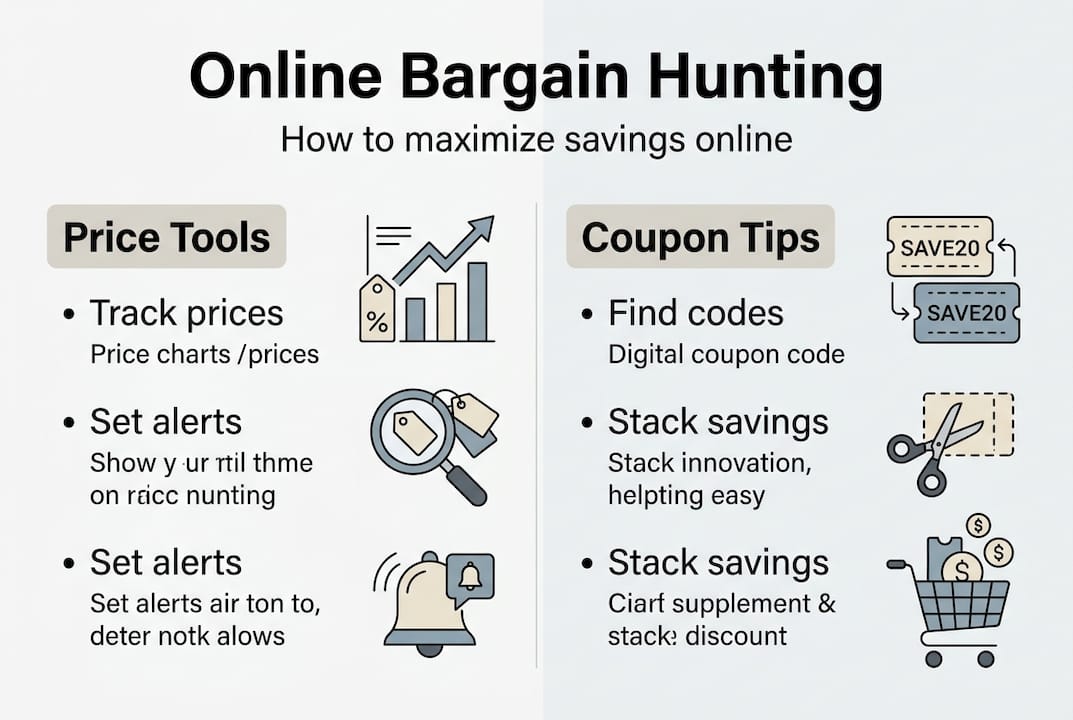
Dynamic pricing influences consumer behavior in measurable ways. Shoppers who understand pricing algorithms become more patient, willing to wait weeks for better deals instead of buying impulsively. This increased price awareness translates directly into lower paid prices, with each 10 percentage point increase in price knowledge reducing what consumers pay by 1.3 percent. Over time, this effect compounds significantly.
The psychological impact cuts both ways. Price tracking empowers shoppers with information and control, reducing anxiety about overpaying. However, it can also create obsessive checking behaviors and decision paralysis. Some shoppers become so focused on finding the absolute lowest price that they delay purchases indefinitely or spend more time tracking than the savings justify.
This table summarizes key metrics comparing tracked versus untracked shopping:
| Metric | With price tracking | Without tracking | Difference |
|---|---|---|---|
| Average savings per purchase | 22 percent | 3 percent | 19 percentage points |
| Time spent researching | 8 minutes | 2 minutes | 6 minutes more |
| Purchase satisfaction | 87 percent | 64 percent | 23 percentage points higher |
| Cart abandonment rate | 76 percent | 68 percent | 8 percentage points higher |
Retailer revenue increases under dynamic pricing because algorithms optimize for profit, but higher cart abandonment shows that informed shoppers walk away from poor deals. This creates a cat-and-mouse dynamic where retailers adjust pricing strategies to counter savvy shopping behaviors, which in turn requires shoppers to refine their tracking techniques.
Maintaining balanced, needs-focused shopping habits prevents tracking from becoming counterproductive:
- Set a maximum tracking period of 60 days before buying at current best price
- Limit active tracking to 10 to 15 products to avoid alert overload
- Distinguish between wants and needs, tracking only items you’ll actually purchase
- Calculate the dollar value of time spent tracking to ensure savings justify effort
Understanding price trends smarter online purchases and master online pricing tactics helps you develop sustainable habits that deliver consistent savings without consuming excessive time or mental energy. The goal is strategic shopping that enhances your life rather than dominating it.
Discover tools that help you save more
You’ve learned how dynamic pricing creates opportunities and which strategies maximize savings. Now it’s time to put these insights into action with tools designed specifically for bargain hunters. PriceLix price tracking tools automate the entire monitoring process across over a thousand retailers, sending you alerts the moment prices drop to your target thresholds.
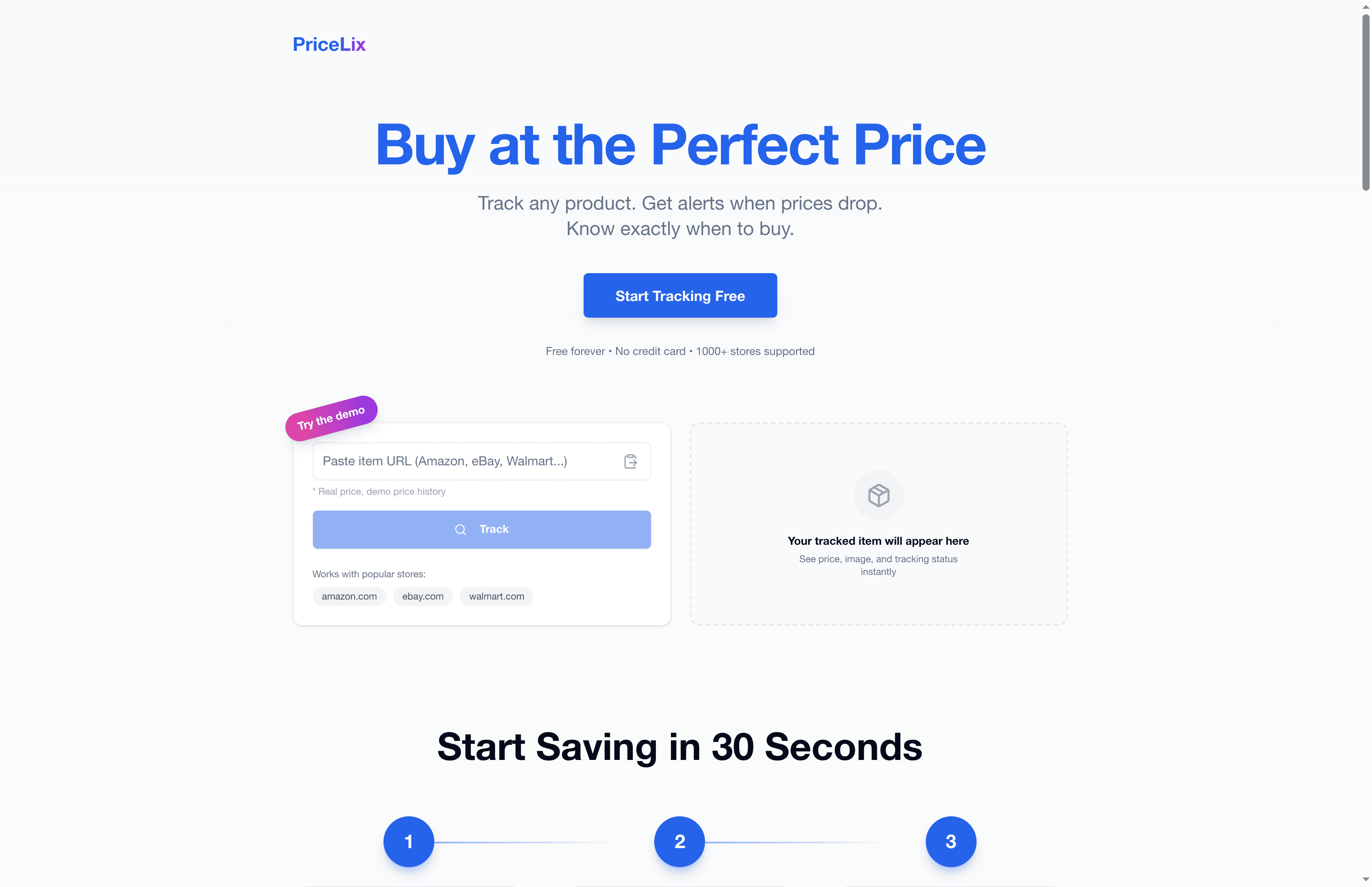
The platform consolidates all your tracked items into a single dashboard, eliminating the need to juggle multiple browser extensions or check dozens of websites manually. Set up takes seconds per product, and daily automated checks run in the background while you focus on other priorities. Shoppers using systematic tracking consistently achieve the 20 to 30 percent savings documented in research, turning occasional bargains into predictable outcomes.
Pro Tip: Start by tracking five products you’re planning to buy within the next three months, setting alert thresholds 20 percent below current prices. This manageable approach lets you experience real savings quickly while building confidence in the process, making it easier to expand your tracking as you see results.
Frequently asked questions about bargain hunting strategies
How often should I check prices to find the best deal?
Manual checking once daily is sufficient for most products, but automated price tracking tools eliminate this effort entirely by monitoring continuously and alerting you only when meaningful changes occur. Focus your manual attention on comparing final prices across retailers when alerts trigger, rather than constantly refreshing product pages hoping to catch fluctuations.
Is it better to wait for sales or buy immediately with tracking?
Combine both approaches by setting price alerts while monitoring the sales calendar for your product category. If a tracked item drops 20 percent or more before a scheduled sale event, buy immediately since further discounts are unlikely. If alerts haven’t triggered as a major sale approaches, wait for the event before purchasing.
Can coupons and price tracking be combined effectively?
Absolutely, and this combination delivers the highest savings potential. When a price alert triggers, immediately search for applicable coupon codes before completing your purchase. Many retailers allow stacking store coupons with price drops and cashback offers, potentially saving 30 to 40 percent total. Always verify coupon terms to confirm stacking is permitted.
What risks exist with waiting too long to buy bargains?
The primary risks are stockouts and price increases instead of decreases. Popular items can sell out before reaching your target price, and some products never drop as low as hoped. Mitigate these risks by setting realistic thresholds, monitoring inventory levels, and establishing a maximum wait period of 60 days before buying at the current best available price.
How can I avoid getting overwhelmed by too many alerts?
Limit active tracking to 10 to 15 products maximum and use daily digest emails instead of instant notifications for non-urgent items. Pause tracking on products you’re not ready to purchase within 90 days, and remove items from your list once bought or if you decide against the purchase. The price tracking checklist 2026 provides a structured approach to managing alerts efficiently without missing genuine opportunities.
Recommended
- 6 Best Price Tracking Strategies 2026 for Online Shoppers | PriceLix
- 6 Must-Know Price Drop Strategies for Smart Online Shoppers | PriceLix
- Stop Overpaying Online | Save $1000/Year | PriceLix | PriceLix
- Blog - Price Tracking Tips & Savings Guides | PriceLix
- Disney Schnäppchenangebote 2026: So sparst du bis 30%