
Price fluctuations explained: shop smart and save in 2026
You check a product online, see a great price, and decide to think it over. Hours later, the price jumps 15%. Days later, it drops below your original find. Many shoppers assume online prices follow predictable sale cycles, but modern pricing is far more dynamic and personalized than most realize. Understanding why prices fluctuate, from traditional supply factors to cutting-edge AI surveillance systems, empowers you to time purchases strategically and avoid overpaying. This guide reveals the mechanics behind price changes and equips you with practical tools to turn price volatility into consistent savings throughout 2026.
Table of Contents
- Why Do Prices Fluctuate? A Look At Traditional And Modern Factors
- How AI-Driven Surveillance Pricing Changes The Game
- Tools And Tips To Track And Understand Price Fluctuations Online
- Balancing Strategy And Ethics In Price Fluctuations
- Save Smarter With PriceLix’s Free Price Tracking Tools
- Frequently Asked Questions About Price Fluctuations
Key takeaways
| Point | Details |
|---|---|
| Multiple factors drive price changes | Supply, demand, seasonal sales, AI surveillance, and competitor strategies all influence pricing. |
| AI creates personalized prices | Algorithms track your behavior to show different prices to different shoppers simultaneously. |
| Price tracking tools reveal patterns | Apps like Keepa provide historical data and alerts to help you identify genuine deals. |
| Timing purchases maximizes savings | Understanding fluctuation patterns lets you buy when prices hit optimal lows. |
| Ethical concerns are growing | The line between smart pricing strategy and consumer manipulation continues to blur. |
Why do prices fluctuate? A look at traditional and modern factors
Prices have always shifted based on fundamental market forces. Supply shortages drive costs up, while excess inventory pushes them down. Seasonal events like Black Friday or back-to-school periods trigger predictable discount cycles as retailers compete for attention. Competitor pricing also plays a role, with stores adjusting their numbers to stay competitive within their market segment.
Modern pricing adds layers of complexity that traditional factors never created. Surveillance pricing uses AI to track shopping habits and tailor costs for each consumer, often in real time. This technology monitors how long you view a product, what device you use, your location, previous purchases, and even cursor movements. The system then calculates what you might pay and adjusts the price accordingly.
This differs fundamentally from traditional dynamic pricing, which adjusts broadly based on time of day or overall demand. Surveillance pricing targets you specifically, creating a unique shopping experience where your neighbor might see a different number for the identical item. The shift represents a fundamental change in how retailers approach pricing strategy.
Key factors driving price fluctuations today include:
- Supply and demand imbalances that create scarcity or surplus conditions
- Seasonal sales events and holiday shopping periods with planned discounts
- AI surveillance systems that personalize prices based on individual shopper data
- Competitor price adjustments that trigger automatic matching or undercut responses
- Real-time inventory changes that reward clearance or protect margin on limited stock
Understanding these mechanisms helps you recognize when a price reflects genuine market conditions versus algorithmic manipulation. Tools that reveal price drop alerts explained patterns become essential for navigating this complex landscape. The more you know about what drives changes, the better positioned you are to wait for optimal pricing or act quickly when genuine deals appear.
How AI-driven surveillance pricing changes the game
AI systems collect massive amounts of data about your shopping behavior. They track search patterns across sessions, time spent on product pages, items added then removed from carts, purchase history, browsing device type, geographic location, and even how fast you scroll. This creates a detailed profile that predicts your price sensitivity and willingness to pay.
AI-driven systems adjust prices in fractions of a second, creating a personalized market where no two customers necessarily see the same cost. If the algorithm determines you’re likely to buy regardless of small increases, you might see higher numbers. Shoppers who appear price-sensitive or use comparison tools might receive lower offers to secure the sale. This creates an environment where your digital footprint directly impacts your wallet.

The personalization extends beyond simple price adjustments. You might see different shipping costs, varied discount codes, or exclusive offers based on predicted behavior. Someone shopping from a high-income zip code on a premium device might face steeper prices than someone browsing on an older phone from a different area. The system optimizes for maximum revenue extraction from each individual shopper.
Key characteristics of AI surveillance pricing include:
- Real-time price changes that occur faster than human decision-making allows
- Personalized offers that vary dramatically between individual shoppers viewing the same product
- Data points collected from dozens of behavioral signals across multiple browsing sessions
- Impact on consumer trust as shoppers discover they paid more than others
- Ethical concerns about fairness, transparency, and potential discrimination in automated pricing
Pro Tip: Use incognito mode when price shopping to avoid cookies that feed surveillance algorithms. Better yet, employ price tracking tools that monitor changes objectively without your personal data influencing results.
“Every click, pause, and scroll feeds the algorithm. Your online behavior creates a pricing profile that retailers exploit to maximize what they can extract from your specific wallet. The digital marketplace has become a negotiation where only one side knows the rules.”
This reality makes price drop strategies for shoppers more important than ever. You need tools and techniques that level the playing field against systems designed to identify and exploit your personal spending limits. The good news is that understanding these mechanisms gives you power to counter them effectively.
Tools and tips to track and understand price fluctuations online
Price tracking tools transform opaque pricing into transparent data you can analyze and act on. Keepa provides detailed price history charts for over 6 billion Amazon products, covering multiple countries and product categories. You can view historical pricing for new items, used options, warehouse deals, and even sales rank trends that indicate demand patterns.
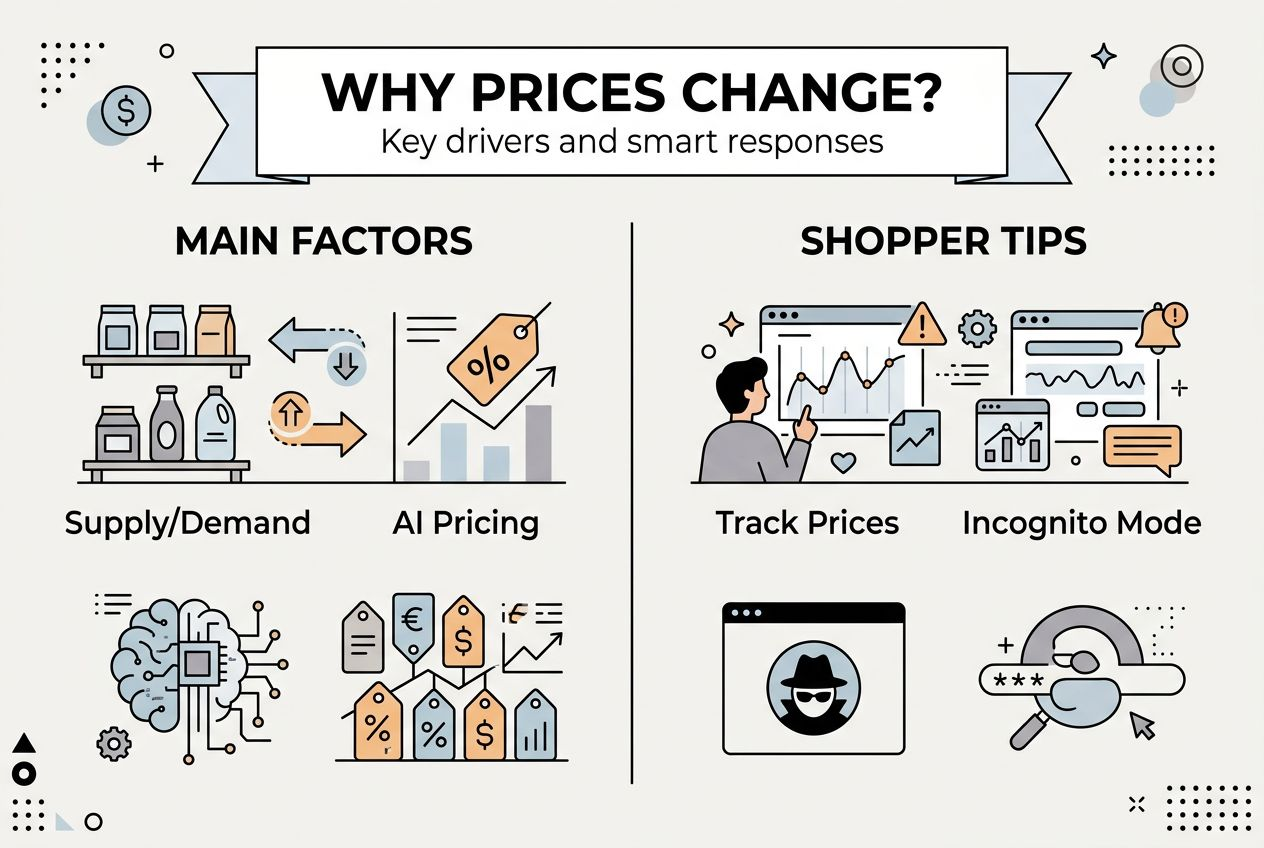
These tools reveal whether a current price represents a genuine deal or artificial inflation before a fake discount. You see the actual price range over weeks or months, identifying the true low points and avoiding purchases during temporary spikes. Price drop alerts notify you automatically when items hit your target price, eliminating the need for constant manual checking.
Setting up effective price tracking requires a systematic approach:
- Identify products you want to purchase and add them to your tracking dashboard.
- Review historical price charts to understand typical price ranges and fluctuation patterns.
- Set alert thresholds at prices that represent genuine value based on historical data.
- Enable notifications across email or mobile apps to catch drops quickly before stock depletes.
- Compare prices across multiple retailers using tracking tools that monitor beyond single platforms.
- Purchase promptly when alerts trigger, as algorithmic pricing can reverse favorable drops rapidly.
Key features that make price tracking apps valuable include:
- Barcode scanning for quick product addition while shopping in physical stores
- Alert setting with customizable thresholds that match your budget and urgency
- Multi-locale tracking that compares prices across different regional Amazon sites or retailers
- Historical price insight revealing seasonal patterns and identifying artificial inflation
- Wishlist management that organizes tracked items by priority or category
| Feature | Keepa | CamelCamelCamel | Honey | | — | — | — | | Product coverage | 6 billion+ Amazon items | Amazon-focused | Multi-retailer | | Price history depth | Years of data | Extensive Amazon history | Limited historical data | | Alert customization | Highly flexible | Good options | Basic alerts | | International support | Multiple countries | Limited locales | US-focused | | Browser integration | Extension available | Extension available | Extension required |
Pro Tip: Combine price tracking with incognito browsing and loyalty programs to maximize savings. Track prices objectively, then purchase through cashback portals or store loyalty accounts to stack additional discounts on top of optimal pricing.
These strategies work best when you monitor product prices online consistently and act decisively when data indicates favorable conditions. The tools handle the tedious surveillance work, freeing you to make informed decisions based on objective information rather than retailer manipulation. Learning to get price drop alerts online effectively transforms you from a passive shopper into an active price optimizer.
Balancing strategy and ethics in price fluctuations
Many pricing practices represent legitimate business optimization. Retailers need to manage inventory, respond to competition, and adjust for supply costs. Dynamic pricing that lowers costs during slow periods or raises them during high demand reflects basic market economics. These strategies benefit both businesses and consumers when implemented transparently.
Surveillance pricing crosses into murkier territory. The line between legitimate business strategy and digital manipulation is increasingly thin. When algorithms exploit personal data to charge different prices for identical products based on perceived ability to pay, fairness becomes questionable. The practice raises concerns about discrimination, transparency, and whether consumers can truly make informed decisions.
Shopper awareness becomes your primary defense. Understanding the motivations behind price changes helps you recognize when you’re seeing genuine market pricing versus personalized exploitation. You can take steps to minimize data collection, use tools that reveal true price ranges, and make purchasing decisions based on objective information rather than algorithmic manipulation.
Signs that distinguish ethical from questionable pricing practices include:
- Transparency about how prices are set and what factors influence changes
- Consistency where similar customers see similar prices for identical products and conditions
- Fairness in applying discounts and promotions without hidden personalization algorithms
- Clear communication about temporary sales versus regular pricing structures
- Respect for consumer privacy with minimal data collection for pricing decisions
Contrast these with warning signs of manipulative pricing:
- Hidden algorithms that adjust prices based on extensive personal data collection
- Personalized gouging where your profile triggers systematically higher prices
- Fake urgency created through artificial scarcity or countdown timers on algorithmically inflated prices
- Discrimination based on location, device type, or other factors unrelated to actual costs
- Opacity about pricing factors that prevents consumers from making informed comparisons
“Retailers face mounting pressure to balance profit optimization with consumer trust. As AI pricing becomes more sophisticated, the ethical challenges grow more complex. Shoppers who understand these systems can protect themselves while demanding greater transparency from the companies they support.”
The conversation about price alert benefits for retailers often focuses on business advantages, but consumer benefits matter equally. Transparent pricing builds long-term loyalty more effectively than short-term algorithmic extraction. As awareness grows, retailers who prioritize fairness may gain competitive advantage over those who maximize personalized pricing aggression.
Save smarter with PriceLix’s free price tracking tools
Now that you understand how prices fluctuate and why surveillance pricing targets your wallet, you need practical tools to fight back. PriceLix offers free price tracking that monitors products across thousands of retailers, alerting you when prices drop to your target levels. You gain the same data advantages that retailers use, leveling the playing field in your favor.
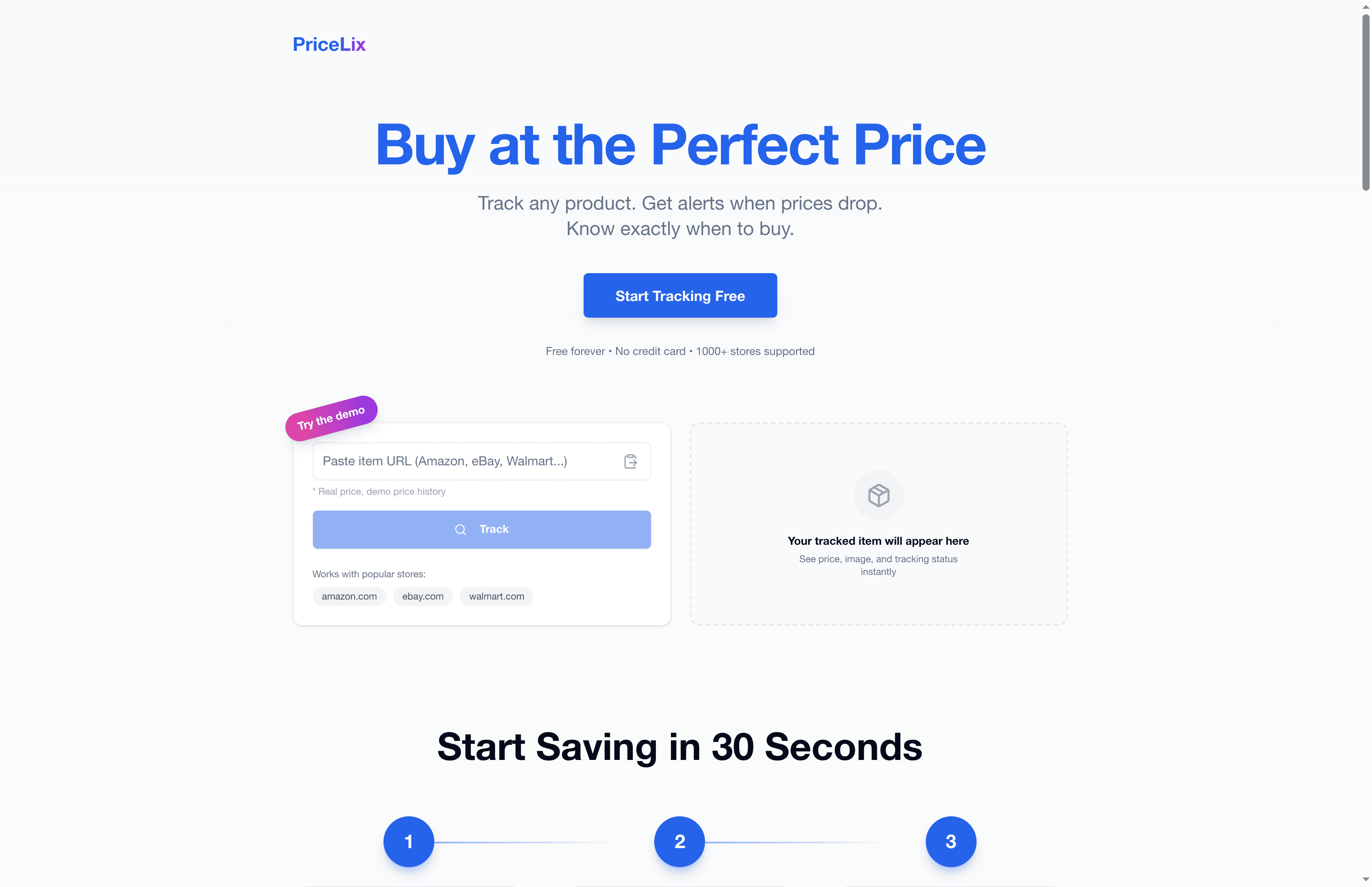
The platform automates daily price checks across Amazon, eBay, Walmart, and over a thousand other stores, consolidating everything in one dashboard. You set your desired prices, and PriceLix watches constantly, notifying you the moment opportunities appear. This transforms price volatility from a frustration into a strategic advantage, letting you buy confidently at optimal moments. PriceLix turns your new knowledge about price mechanics into immediate, measurable savings throughout 2026.
Frequently asked questions about price fluctuations
What causes price fluctuations on online stores?
Prices fluctuate due to supply and demand dynamics, seasonal sales events, competitor pricing adjustments, inventory levels, and increasingly, AI-driven personalization. Surveillance pricing causes personalized price differences based on individual user behavior, creating situations where different shoppers see different costs simultaneously.
How can I tell if a price drop is real or temporary?
Use price history charts from tracking tools to see patterns over weeks or months, revealing whether current prices represent genuine lows or temporary dips. Short-term drops might indicate flash sales, clearance events, or personalized offers designed to trigger immediate purchases. Historical data from price drop alerts explained resources helps you distinguish authentic deals from artificial urgency.
Do all shoppers see the same prices online?
No, AI-driven surveillance pricing means prices often vary per person based on data collected from online activity, device type, location, and browsing history. This creates a personalized pricing environment rather than fixed prices for everyone, where your digital footprint directly influences the numbers you see.
Are price tracking apps reliable?
Top apps like Keepa provide detailed data for over 6 billion Amazon products with historical pricing across many countries and categories. They help shoppers identify real deals by revealing actual price ranges over time, set alerts for desired prices, and make informed decisions based on objective data rather than retailer claims.
How can I avoid personalized price hikes when shopping online?
Use incognito browsing or regularly clear cookies to prevent price inflation based on your browsing history and behavioral profile. Compare prices using different devices, locations, or price tracking tools before purchasing, and avoid repeatedly viewing the same product, which can signal high interest and trigger algorithmic price increases.
Recommended
- Seasonal pricing trends 2026: save smart shopping | PriceLix
- Why price history transforms online shopping in 2026 | PriceLix
- 6 Best Price Tracking Strategies 2026 for Online Shoppers | PriceLix
- Role of price history in smarter online shopping 2026 | PriceLix
- Fabric Pricing Negotiation Guide for Successful Savings - fabric fabric
- Rol groothandel in restpartijen: Bespaar tot 50% in 2026