
What Is a Price Alert and Why It Matters
Searching for the best deals on tech and home goods can feel never-ending, especially when prices change without warning. With so many online retailers competing for your attention, finding a single source of truth on pricing often requires effort and time most shoppers would rather spend elsewhere. By using automated price alerts, you gain real-time updates and save money without constant checking—turning complicated price hunts into smart, efficient decisions that put you in control of your savings.
Table of Contents
- Defining Price Alerts In Online Shopping
- Types Of Price Alerts And Notifications
- How Automated Price Tracking Works
- Major Benefits For Savvy Shoppers
- Pitfalls, Limitations, And Smart Alternatives
Key Takeaways
| Point | Details |
|---|---|
| Automated Price Alerts | These notifications track product prices across e-commerce platforms, helping consumers make informed purchasing decisions. |
| Multiple Alert Types | Price alerts include instant drops, threshold notifications, and flash sale alerts to suit varied shopper needs. |
| Benefits for Consumers | Price alerts enable instant savings detection, budget optimization, and prevent impulse purchases while ensuring better financial management. |
| Potential Limitations | Consumers should be aware of data reliability, algorithm unpredictability, and the risk of alert fatigue when using automated price tracking systems. |
Defining Price Alerts in Online Shopping
A price alert is an automated digital notification system designed to help online shoppers track product prices across multiple e-commerce platforms. These smart tracking tools enable consumers to receive real-time updates when the cost of a specific item drops below a predetermined threshold. Online price tracking technologies have revolutionized how shoppers make purchasing decisions by providing instant, data-driven insights.
At its core, a price alert works through sophisticated web scraping and algorithmic monitoring techniques that continuously scan prices across different online retailers. Here’s how they typically function:
- Capture current product prices in real-time
- Track historical pricing trends
- Set custom price drop thresholds
- Send instant notifications via email or mobile app
- Compare prices across multiple e-commerce platforms
Consumers benefit significantly from these alerts, as online price information processing directly influences purchasing behaviors. By reducing search costs and providing transparent pricing data, price alerts empower shoppers to make more informed economic decisions.
The fundamental goal of price alerts is straightforward: help consumers save money by identifying the most opportune moments to make purchases. These tools transform traditional shopping experiences from manual, time-consuming price comparisons to automated, intelligent tracking systems that work continuously in the background.
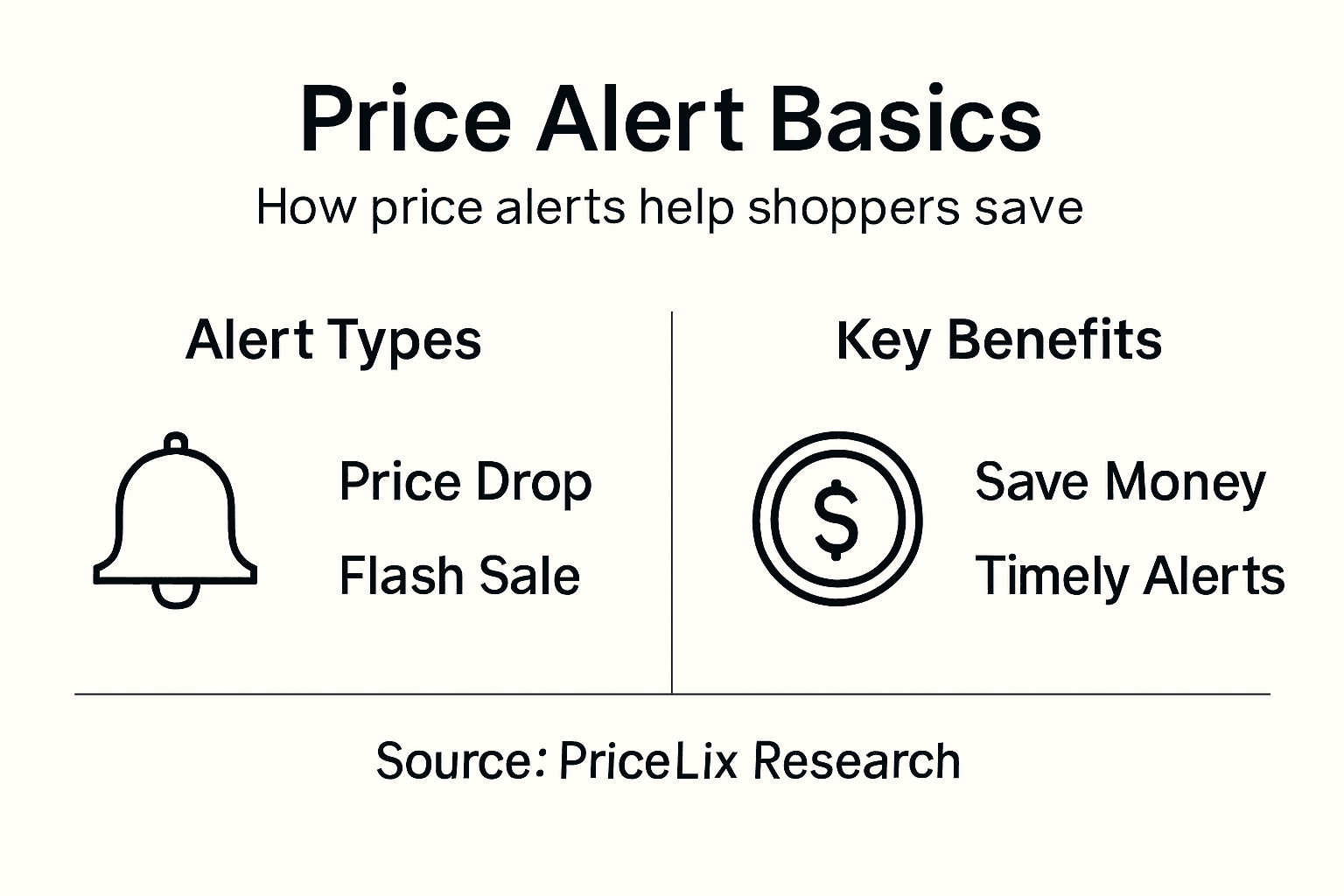
Pro tip: Set multiple price alerts for the same product across different retailers to maximize your chances of catching the best possible deal.
Types of Price Alerts and Notifications
Online shopping has evolved to offer multiple types of price alerts that cater to different consumer needs and preferences. Consumer price search behaviors reveal a sophisticated landscape of notification strategies designed to help shoppers make informed purchasing decisions.
The primary categories of price alerts include:
- Instant Price Drop Alerts: Immediate notifications when a product’s price decreases
- Threshold Alerts: Notifications when prices fall below a user-defined price point
- Flash Sale Alerts: Real-time updates about limited-time promotional events
- Discount Code Alerts: Notifications about available promotional codes
- Historical Price Trend Alerts: Updates showing price fluctuations over time
Price monitoring systems have become increasingly sophisticated, offering multi-channel notification methods. Shoppers can now receive alerts through various channels:
- Email notifications
- Mobile app push notifications
- SMS text messages
- Browser extension alerts
- Desktop widget updates
Moreover, advanced price tracking technologies now incorporate sentiment analysis, combining price information with product reviews to provide more comprehensive purchasing insights. This means alerts can now include not just price changes, but also contextual information about product quality and customer satisfaction.
Here’s a comparison of price alert notification channels and their distinct benefits:
| Notification Channel | Delivery Speed | User Engagement | Best Use Case |
|---|---|---|---|
| Moderate | High | Detailed updates, archiving | |
| Mobile App Push | Instant | Very High | Immediate action, on-the-go |
| SMS Text Message | Fast | High | Time-sensitive deals |
| Browser Extension | Real-time | Moderate | Active shopping sessions |
| Desktop Widget | Instant | Low to Moderate | Quick desktop notifications |
Pro tip: Configure alerts across multiple notification channels to ensure you never miss a great deal, and always set up price thresholds slightly below your target budget to capture unexpected discounts.
How Automated Price Tracking Works
Automated price tracking represents a sophisticated technological process that transforms online shopping strategies. Web scraping technology enables real-time monitoring of product prices across multiple e-commerce platforms, creating a comprehensive digital surveillance system for consumer goods.
The core components of automated price tracking include:
- Data Collection: Continuous extraction of pricing information from various online retailers
- Algorithm Processing: Advanced computational methods analyzing price fluctuations
- Pattern Recognition: Identifying trends and potential purchasing opportunities
- Machine Learning Adaptation: Improving alert accuracy over time
- Multi-Platform Integration: Tracking prices across different e-commerce websites
Automated tracking systems employ complex algorithms that go beyond simple price comparisons. These sophisticated tools incorporate multiple layers of data analysis:
- Real-time price monitoring
- Historical price trend analysis
- Sentiment analysis from customer reviews
- Predictive pricing models
- Cross-platform price comparison
The technological backbone of these systems involves intricate web crawling techniques that instantly capture and process pricing data. Machine learning algorithms continuously refine their tracking mechanisms, learning from historical data to provide increasingly precise and timely alerts for consumers.

Pro tip: Configure your price tracking settings with multiple parameters, including acceptable price ranges and notification frequency, to create a personalized and effective monitoring strategy.
Major Benefits for Savvy Shoppers
Price alerts have transformed online shopping by providing consumers unprecedented insights into pricing strategies. Price change dynamics reveal how strategic monitoring can dramatically impact purchasing decisions and overall savings.
The key benefits for savvy shoppers include:
- Instant Savings Detection: Identifying price drops in real-time
- Budget Optimization: Setting personalized price thresholds
- Impulse Purchase Prevention: Tracking prices before committing to buy
- Historical Price Trend Analysis: Understanding product value over time
- Cross-Platform Price Comparison: Finding the best deals across retailers
Consumer price tolerance strategies demonstrate how price alerts empower shoppers to make more informed decisions. These tools provide several critical advantages:
- Eliminate manual price checking
- Reduce emotional purchasing
- Create data-driven shopping strategies
- Maximize potential savings
- Build long-term financial awareness
Modern price tracking goes beyond simple notifications. By combining real-time data, historical trends, and predictive analytics, these systems help consumers transform their shopping experiences from reactive to proactive financial management.
Pro tip: Configure multiple price alerts for the same product across different retailers to increase your chances of catching the absolute best deal possible.
Pitfalls, Limitations, and Smart Alternatives
Price alerts are powerful tools, but they’re not infallible. Algorithmic pricing challenges reveal complex limitations that consumers must understand to make truly informed purchasing decisions.
The primary pitfalls of price tracking systems include:
- Data Source Reliability: Potential inaccuracies from limited information channels
- Algorithm Unpredictability: Complex interactions between pricing algorithms
- Price Volatility: Rapid and unexpected market fluctuations
- Contextual Blindness: Lack of nuanced understanding beyond raw numbers
- Alert Fatigue: Overwhelming users with constant notifications
Price trend interpretation risks demonstrate that relying exclusively on automated alerts can lead to misguided purchasing decisions. Smart shoppers should consider alternative strategies:
- Combine automated alerts with personal market research
- Understand broader product value beyond price
- Maintain critical thinking about price trends
- Set realistic price expectations
- Verify alerts with multiple sources
Successful price tracking requires a balanced approach that leverages technology while maintaining human judgment. Automated systems provide valuable insights, but they should complement, not replace, strategic consumer decision-making.
The following table summarizes smart strategies and possible pitfalls in automated price tracking:
| Strategy/Challenge | Example Scenario | Practical Tip |
|---|---|---|
| Combine alerts with research | Verifying price drop with manual search | Double-check before buying |
| Set realistic thresholds | Avoiding alerts for unrealistic discounts | Base thresholds on past trends |
| Avoid alert fatigue | Receiving too many daily notifications | Opt for weekly summary alerts |
| Review product context | Great price but poor reviews | Check customer feedback |
| Account for price volatility | Sudden flash sales or rapid price hikes | Wait 24 hours before purchasing |
Pro tip: Create a 24-hour waiting period between receiving a price alert and making a purchase to ensure you’re making a rational, well-considered buying decision.
Take Control of Your Shopping with Smart Price Alerts
The article explores how price alerts help shoppers avoid overpaying and make data-driven buying decisions by tracking price drops and trends. If you struggle with manually monitoring prices or fear missing out on the best deals across multiple stores, these challenges can lead to impulse purchases and lost savings. Key terms like automated price tracking, real-time notifications, and price threshold settings highlight the need for a seamless, reliable solution that works without overwhelming you.
PriceLix addresses these exact pain points by offering an intuitive price tracking and comparison platform. Our system automatically monitors thousands of products from top retailers including Amazon, eBay, and Walmart. You receive instant alerts when prices fall below your set limits, supported by detailed price history charts for confident decisions. No complicated tools or browser extensions are necessary. This means you can save time, avoid alert fatigue, and shop smarter with less effort.
Ready to stop waiting and start saving? Visit PriceLix today and set up your personalized price alerts easily.
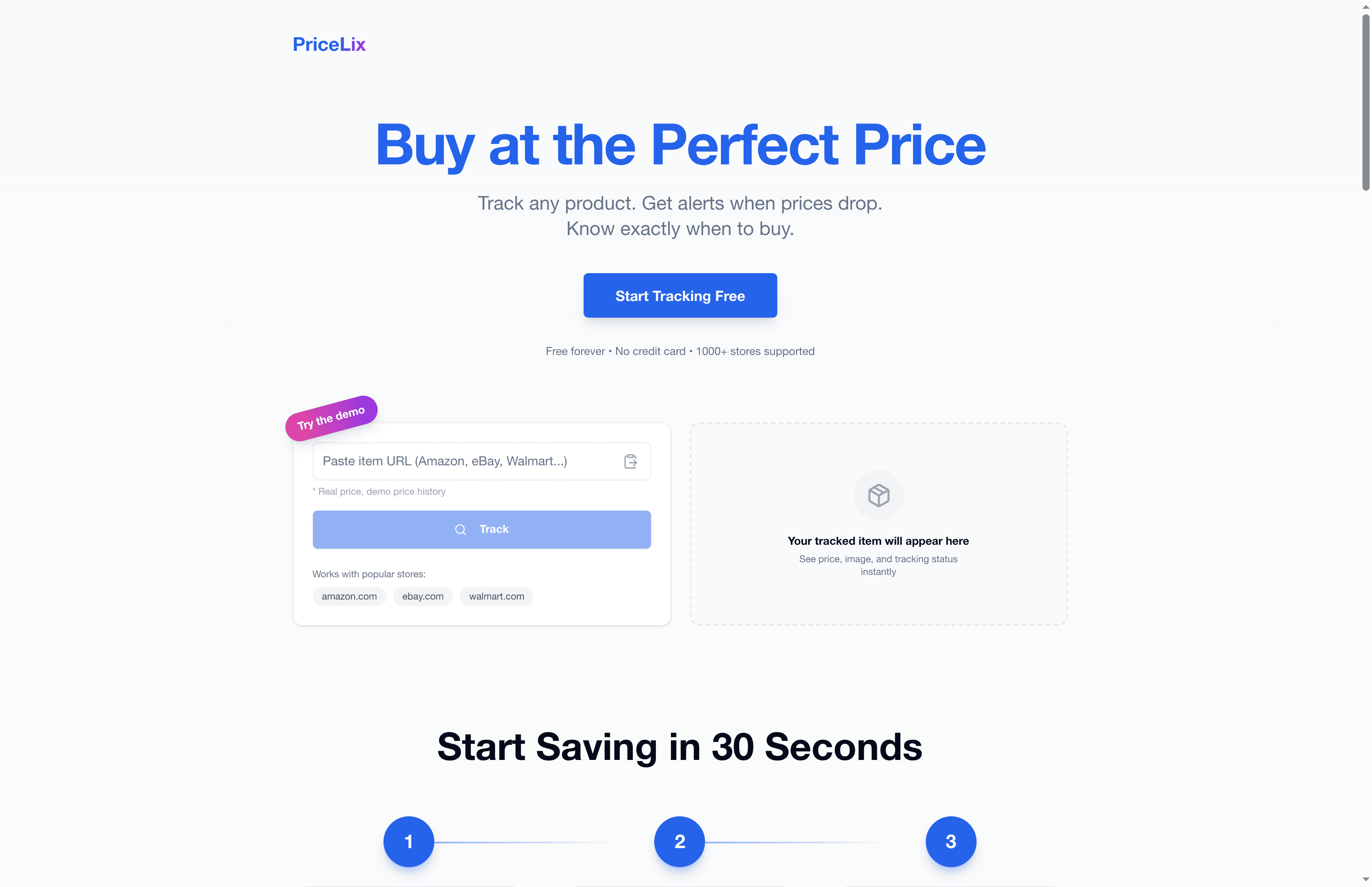
Experience the convenience and peace of mind that comes with knowing the best time to buy. Take action now and transform your online shopping into a budget-friendly, stress-free experience with PriceLix.
Frequently Asked Questions
What is a price alert?
A price alert is an automated notification system that informs shoppers when the price of a specific product drops below a set threshold, helping consumers make informed purchasing decisions.
How do price alerts work?
Price alerts use web scraping and algorithmic monitoring to continuously track product prices across various e-commerce platforms, sending instant notifications when prices decrease.
What types of price alerts are available?
There are several types of price alerts, including instant price drop alerts, threshold alerts, flash sale alerts, discount code alerts, and historical price trend alerts, each serving different shopper needs.
What are the benefits of using price alerts?
Using price alerts helps shoppers save money by identifying the best times to make purchases, eliminating manual price checks, reducing impulse buying, and providing insights into historical pricing trends.