
Why Compare Prices Online: Maximizing Savings Today
Finding the lowest price on must-have tech or favorite gadgets can feel overwhelming when major e-commerce platforms like Amazon and eBay offer endless options. Price comparison online matters because it brings true transparency to your shopping experience, letting you weigh costs, quality, and alternatives side by side in seconds. This guide explains how digital tools help you make smarter buying choices, avoid overpaying, and track the best deals with speed and confidence.
Table of Contents
- What Is Price Comparison Online?
- How Price Tracking Platforms Work
- Key Benefits of Comparing Prices Online
- Tools and Techniques for Smart Shopping
- Risks, Privacy Concerns, and Common Mistakes
- Alternatives to Automated Price Comparison
Key Takeaways
| Point | Details |
|---|---|
| Price Comparison Boosts Decision-Making | Online price comparison tools help consumers make more informed purchasing choices by aggregating real-time data from multiple retailers. |
| Utilizing Price Tracking Enhances Savings | Setting up price alerts on various platforms allows users to capitalize on price drops and discounts effectively. |
| Balancing Automation and Privacy | While automated tools offer convenience, consumers should be mindful of privacy risks and manage their data sharing accordingly. |
| Manual Techniques Still Valuable | Manual price comparison methods can provide deep insights and are valuable for consumers who seek more nuanced shopping strategies. |
What Is Price Comparison Online?
Price comparison online is a strategic shopping technique that empowers consumers to evaluate product prices across multiple digital platforms efficiently. Comprehensive price comparison systems leverage web scraping and data extraction technologies to consolidate pricing information from diverse e-commerce websites, enabling shoppers to identify the most economical purchasing options without manually checking each store.
At its core, online price comparison involves several critical processes:
- Aggregating product prices from multiple retailers
- Displaying real-time pricing data
- Highlighting potential savings opportunities
- Tracking price fluctuations across different platforms
The fundamental goal of price comparison is transforming how consumers make purchasing decisions. Consumer behavior research demonstrates that these digital tools significantly influence shopping strategies by providing transparency and enabling more informed choices. Shoppers can now quickly assess product costs, quality perceptions, and available alternatives without extensive manual research.
Modern price comparison platforms utilize sophisticated algorithms to analyze pricing trends, helping consumers understand when and where to make their purchases. These systems don’t just show current prices—they often provide historical pricing data, predict future price movements, and alert users to potential discounts.
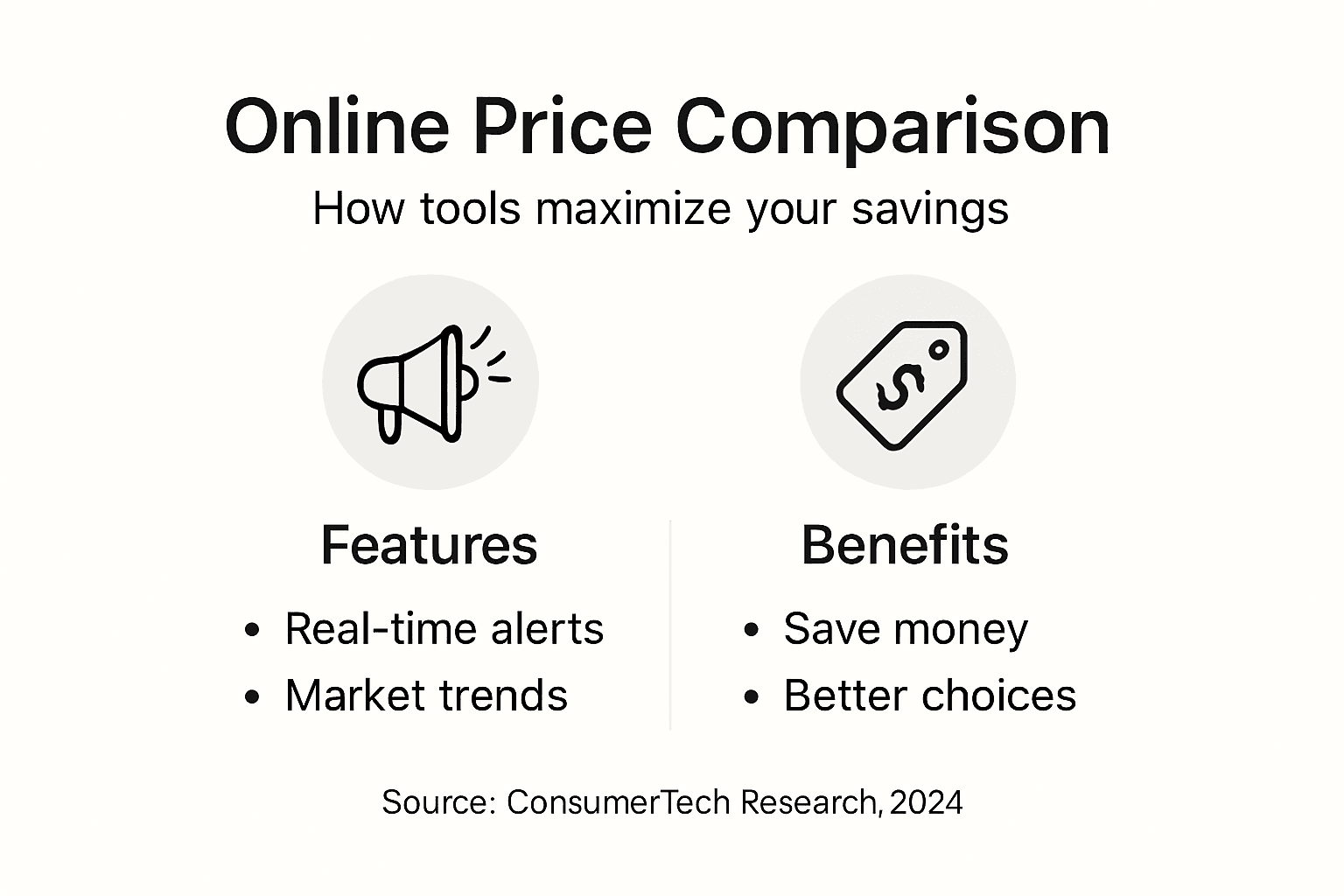
Pro Tip: Always cross-reference prices from multiple sources and set up price tracking alerts to maximize your potential savings.
How Price Tracking Platforms Work
Price tracking platforms are sophisticated digital systems designed to revolutionize online shopping strategies by providing comprehensive, real-time pricing intelligence. Advanced price tracking technologies utilize intricate automation and machine learning algorithms to collect, analyze, and predict pricing trends across multiple e-commerce platforms.
The core mechanisms of these platforms involve several critical technical processes:
- Web scraping from multiple retail websites
- Real-time data collection and aggregation
- Proxy rotation to bypass anti-scraping measures
- Machine learning price trend prediction
- Automated user alert systems
Competitive pricing intelligence systems operate through complex computational methods that continuously monitor digital marketplaces. These platforms employ sophisticated algorithms to analyze pricing dynamics, competitor strategies, and market demand factors in milliseconds, enabling users to make data-driven purchasing decisions.
Modern price tracking platforms go beyond simple price comparisons. They incorporate predictive analytics that forecast potential price movements, analyze historical pricing trends, and provide contextual insights about product value. By integrating machine learning models, these systems can anticipate market fluctuations and notify users about optimal purchasing windows.
Pro Tip: Configure multiple price alert thresholds to capture both significant discounts and incremental price changes across different product categories.
Key Benefits of Comparing Prices Online
Online price comparison has transformed the way consumers make purchasing decisions, offering unprecedented transparency and financial empowerment. Competitive pricing strategies create a dynamic marketplace that benefits both shoppers and businesses by reducing information asymmetry and promoting more informed consumer choices.
The key advantages of comparing prices online include:
- Immediate access to comprehensive pricing information
- Potential for significant monetary savings
- Reduced time spent searching for best deals
- Enhanced ability to make value-driven purchasing decisions
- Protection against overpricing and market manipulation
Comparative pricing mechanisms empower consumers by providing real-time insights into market pricing dynamics. These platforms eliminate traditional barriers to price discovery, allowing shoppers to quickly evaluate product costs across multiple retailers, compare features, and make financially strategic purchasing decisions.

Beyond immediate savings, price comparison platforms contribute to broader economic transparency. They create a competitive environment that encourages retailers to maintain fair pricing, innovate their offerings, and provide better value to consumers. By democratizing pricing information, these tools shift market power from sellers to buyers, enabling more informed and confident shopping experiences.
Pro Tip: Always compare prices across at least three different platforms and set up price tracking alerts to maximize your potential savings.
Tools and Techniques for Smart Shopping
Smart shopping technologies are revolutionizing consumer purchasing strategies by providing sophisticated digital tools that transform traditional buying experiences. Advanced retail technologies leverage cutting-edge innovations like artificial intelligence, Internet of Things (IoT), and automated systems to create more personalized and efficient shopping environments.
Key smart shopping tools and techniques include:
- AI-powered price comparison platforms
- Real-time price tracking applications
- Digital coupon and discount aggregators
- Automated price alert systems
- Personalized recommendation engines
- Browser extensions for instant price comparisons
Smart technology solutions enable consumers to make more informed purchasing decisions by providing instant access to comprehensive product information. These digital tools analyze market trends, compare prices across multiple retailers, and offer predictive insights that help shoppers optimize their spending and identify the most value-driven purchasing opportunities.
Modern smart shopping techniques go beyond simple price tracking. They integrate advanced analytics, machine learning algorithms, and user behavior insights to create a seamless, intelligent shopping experience. By combining real-time data, historical pricing trends, and personalized recommendations, these technologies empower consumers to make strategic purchasing decisions with unprecedented efficiency and confidence.
Pro Tip: Utilize multiple smart shopping tools simultaneously and set up comprehensive price tracking across different platforms to maximize your potential savings.
Below is a summary of key digital tools enhancing smart shopping:
| Tool Type | Main Advantage | Typical Use Case |
|---|---|---|
| AI Price Comparison Apps | Instant, multi-site results | Quickly finding best deals |
| Coupon Aggregators | Gathering all discounts easily | Maximizing savings per purchase |
| Price Alert Extensions | Automated drop notifications | Tracking products over time |
| Recommendation Engines | Personalized suggestions | Discovering new products |
Risks, Privacy Concerns, and Common Mistakes
Online price comparison platforms come with inherent risks that consumers must carefully navigate. Privacy challenges in digital transactions reveal complex trade-offs between accessing competitive pricing and protecting personal information, requiring users to be vigilant and strategic about their online data sharing practices.
Common risks and potential pitfalls include:
- Unauthorized personal data collection
- Potential identity theft vulnerabilities
- Hidden tracking mechanisms
- Inconsistent pricing information
- Risk of falling for misleading discounts
- Exposure of browsing history
Data protection regulations highlight critical privacy concerns in online price comparison ecosystems. Consumers must understand that while these platforms offer significant savings, they simultaneously collect substantial personal and behavioral data that could be misused if not properly managed.
Most privacy risks emerge from insufficient transparency, complex tracking technologies, and unclear data usage policies. Smart consumers should carefully review platform privacy settings, use virtual payment methods, create dedicated email addresses for online shopping, and regularly monitor their digital footprint to mitigate potential security vulnerabilities.
Pro Tip: Always use a separate email address for online price comparison platforms and review privacy policies thoroughly before sharing any personal information.
Alternatives to Automated Price Comparison
Manual price comparison remains a viable strategy for consumers seeking alternative methods to automated tracking systems. Non-automated price comparison techniques offer unique advantages that digital platforms sometimes cannot replicate, providing more nuanced and personalized shopping research approaches.
Alternative methods for comparing prices include:
- Direct vendor price inquiries
- Consulting consumer review platforms
- Analyzing independent product testing reports
- Monitoring physical store advertisements
- Joining consumer discount groups
- Checking manufacturer websites for promotional offers
Advanced research comparison strategies extend beyond traditional price tracking, incorporating comprehensive data analysis methods that provide deeper insights into product value. These approaches involve semantic search techniques, detailed market research, and cross-referencing multiple information sources to validate pricing information.
While automated platforms offer convenience, manual price comparison techniques allow consumers to develop more sophisticated understanding of market dynamics. By combining multiple research methods, shoppers can uncover nuanced pricing information, identify hidden discounts, and make more informed purchasing decisions that go beyond simple numerical comparisons.
Here’s a concise comparison of automated vs. manual price comparison approaches:
| Aspect | Automated Platform | Manual Method |
|---|---|---|
| Time Investment | Minimal, processes are instant | High, requires manual searches |
| Data Accuracy | Dependent on scraping reliability | Varies, relies on user effort |
| Privacy Risks | Higher due to data tracking | Lower, less data shared |
| Flexibility | Limited by platform options | Highly customizable by user |
| Best Use Case | Frequent, fast purchases | In-depth, specialized research |
Pro Tip: Create a structured spreadsheet to manually track prices across different platforms, recording detailed information about product specifications, shipping costs, and potential additional fees.
Take Control of Your Savings with Smart Price Comparison
The article highlights the common challenge of spending too much time and effort manually comparing prices while risking missing out on the best deals. It underscores the importance of real-time price tracking, understanding pricing trends, and avoiding the frustration of overpaying. You want a simple yet powerful solution that consolidates all price information and alerts you instantly to savings opportunities without invading your privacy or requiring complex tools.
PriceLix is designed just for that We streamline the entire price comparison and tracking process for you across Amazon, eBay, Walmart, and over a thousand other stores. With PriceLix, you get automated daily price checks, detailed price history charts, and instant alerts when prices drop so you can make confident, value-driven purchases every time. Say goodbye to endless manual searches and hello to smarter shopping strategies that maximize savings. Discover how easy it is to stay ahead of pricing trends and capture discounts by visiting PriceLix.
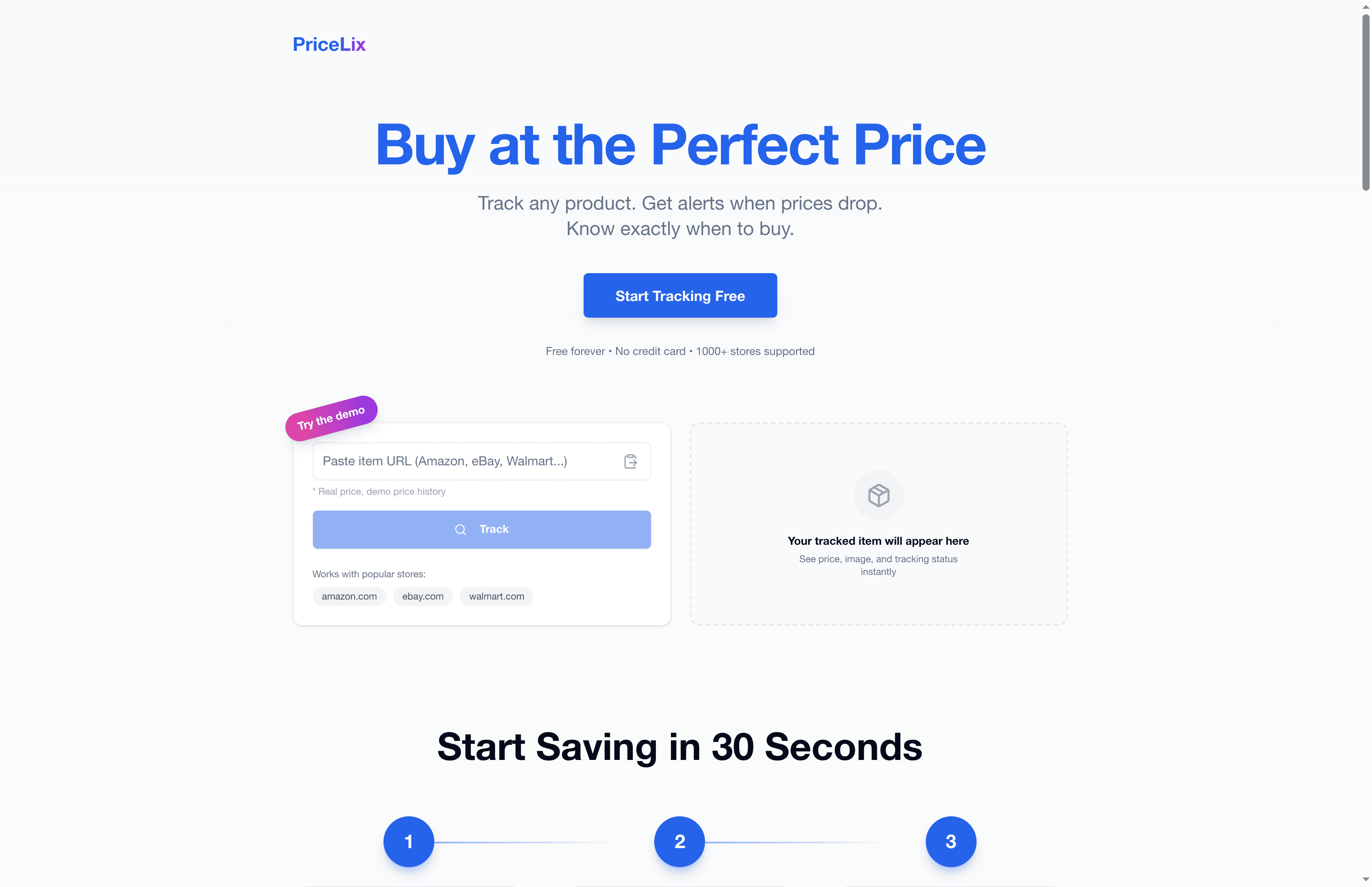
Start transforming your shopping experience today by using PriceLix to effortlessly track your favorite products. Don’t let fluctuating prices drain your budget—empower yourself with tools that deliver transparency and savings exactly when you need them. Visit the platform now and join thousands of savvy shoppers who are making every dollar count.
Frequently Asked Questions
What are the main benefits of comparing prices online?
Comparing prices online offers immediate access to comprehensive pricing information, potential monetary savings, reduced search time for the best deals, enhanced decision-making based on value, and protection against overpricing and market manipulation.
How do price tracking platforms work?
Price tracking platforms automate data collection and analysis from multiple e-commerce sites using web scraping and machine learning algorithms. They provide real-time pricing insights, historical data trends, and alert users to potential discounts or optimal purchasing times.
What tools can help with smart shopping?
Smart shopping technologies include AI-powered price comparison apps, real-time price tracking applications, digital coupon aggregators, automated alert systems, personalized recommendation engines, and browser extensions designed for immediate price comparisons.
How can online price comparison enhance purchasing decisions?
Online price comparison increases transparency, allowing consumers to evaluate product costs, quality perceptions, and available alternatives. It empowers users to make informed choices by quickly assessing pricing trends and identifying the best value options.