
Why prices fluctuate: smart strategies to save in 2026
You check a product online, see a great price, then return hours later to find it jumped 15%. Prices change constantly across e-commerce platforms, with Amazon alone adjusting over 2.5 million prices daily. This rapid fluctuation confuses shoppers and makes timing purchases feel like guesswork. Understanding why prices shift so frequently empowers you to spot patterns, anticipate deals, and buy at optimal moments. This guide reveals the core factors driving price changes and practical strategies to capitalize on fluctuations, helping you save significantly on every purchase.
Table of Contents
- How Dynamic Pricing Works And Why Prices Change Quickly
- Time And Demand: The Biggest Drivers Of Price Shifts
- Competitor Pricing And Consumer Behavior Impact On Fluctuating Prices
- How To Shop Smartly And Capitalize On Price Fluctuations
- Save More With PriceLix’s Free Price Tracker
- Frequently Asked Questions About Price Fluctuations
Key takeaways
| Point | Details |
|---|---|
| Dynamic pricing drives constant changes | Retailers adjust prices millions of times daily using algorithms that respond to demand, competition, and inventory levels. |
| Timing matters significantly | Prices drop 23% on average during off-peak hours, with early Sunday mornings offering the lowest weekly rates. |
| Competitor actions trigger rapid adjustments | Retailers react to competitor price changes within 60-90 minutes to maintain market position. |
| Consumer behavior influences pricing | Your search patterns, device type, and purchase history can affect the prices you see for identical products. |
| Strategic shopping maximizes savings | Using price trackers and timing purchases for month-end or early morning windows helps you capture the best deals. |
How dynamic pricing works and why prices change quickly
Dynamic pricing represents a fundamental shift in how retailers set prices, moving from static tags to fluid algorithms that adjust constantly based on market conditions. Instead of changing prices weekly or monthly, modern e-commerce platforms update them continuously throughout the day. Amazon changes prices frequently, over 2.5 million times daily, making it nearly impossible for shoppers to manually track fluctuations without specialized tools.
These algorithms consider multiple data points simultaneously. Demand signals show how many people are viewing or purchasing a product right now. Inventory levels indicate whether stock is abundant or running low. Competitor pricing reveals what rival retailers charge for identical items. Time of day matters because shopping patterns vary between morning commuters and late-night browsers. Amazon adjusts prices based on purchase history, stock levels, time of day, and competitors, creating a complex web of factors that determine what you pay at any given moment.
Different product categories experience varying refresh frequencies:
- Electronics and tech gadgets see price updates every 10-15 minutes due to intense competition
- Fashion items adjust several times daily based on seasonal trends and inventory turnover
- Grocery staples and household goods change less frequently, typically once or twice daily
- Books and media products update moderately, often in response to competitor moves
| Category | Update Frequency | Primary Driver |
|---|---|---|
| Electronics | Every 10-15 minutes | Competition intensity |
| Fashion | 3-5 times daily | Seasonal inventory |
| Groceries | 1-2 times daily | Demand patterns |
| Books/Media | 2-3 times daily | Competitor pricing |
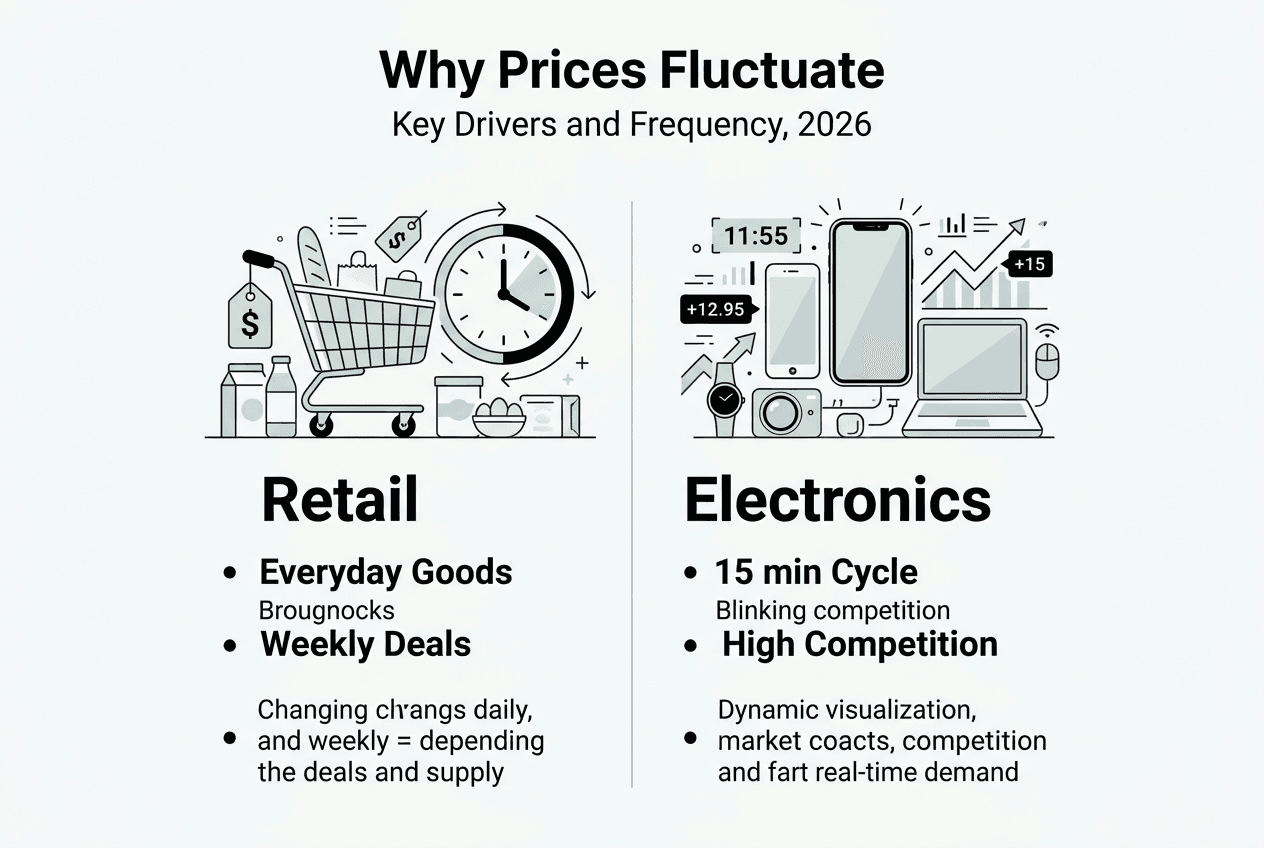
Pro Tip: Monitor real-time price changes explained through tracker tools that refresh every few minutes, allowing you to catch brief price dips that might last only hours before algorithms adjust upward again.
The sophistication of these systems continues growing. Machine learning models now predict optimal price points by analyzing historical sales data, seasonal patterns, and even weather forecasts. A retailer might lower umbrella prices when rain is predicted in major metro areas, then raise them as storms approach. Understanding that pricing algorithms impact every aspect of your shopping experience helps you recognize when you’re seeing a genuine deal versus algorithmic manipulation designed to create urgency.
Time and demand: the biggest drivers of price shifts
Timing your purchases strategically can save you substantial amounts because prices vary dramatically based on when you shop. Prices vary by 23% on average between peak and off-peak hours, with the largest gaps occurring during high-traffic shopping windows versus quiet periods when fewer consumers browse online.

Weekday patterns reveal surprising opportunities. Thursdays tend to show the most volatility, with prices swinging 15-30% as retailers test different price points and respond to mid-week competitor moves. Fridays see moderate stability as businesses prepare for weekend shopping surges. Saturdays bring increased prices due to higher traffic volumes, while Sundays offer the best deals, particularly during early morning hours when algorithms detect minimal competition for shopper attention.
The sweet spot for lowest prices occurs Sundays between 3-6 AM Eastern time, when prices average 23% below weekly peaks. Retailers know fewer people shop during these hours, so algorithms lower prices to capture any available demand. This creates a perfect window for savvy shoppers willing to set alarms or schedule purchases in advance.
Demand spikes trigger immediate price increases. When a product goes viral on social media or gets featured in popular media, demand surges can increase prices 10-25% within hours as algorithms detect unusual traffic patterns and purchasing velocity. You might see a reasonable price in the morning, then return after lunch to find it jumped significantly because thousands of other shoppers discovered the same item.
| Time Period | Average Price Change | Shopping Strategy |
|---|---|---|
| Sunday 3-6 AM | 23% below peak | Schedule major purchases |
| Thursday afternoon | 15-30% volatility | Wait for evening stabilization |
| Saturday peak hours | 10-15% above average | Avoid unless urgent |
| Month-end last 3 days | 12-18% below average | Target clearance deals |
Monthly cycles also influence pricing patterns. Month-end sees increased deal activity in last 3-5 days as retailers push to clear inventory before new stock arrives and accounting periods close. This creates predictable discount windows that repeat every month, allowing you to plan purchases around these cycles.
Pro Tip: Plan major purchases for early Sunday mornings or the final days of each month to maximize savings, combining both temporal advantages for the deepest possible discounts on items you’ve been tracking.
Understanding these patterns helps you distinguish between genuine deals and artificial urgency. When a retailer shows a countdown timer claiming limited availability, check whether the price actually sits below recent averages or simply represents a temporary dip that will recur during the next off-peak window. Tracking seasonal pricing trends 2026 reveals these recurring patterns across different product categories throughout the year.
Competitor pricing and consumer behavior impact on fluctuating prices
Retailers obsessively monitor what competitors charge, creating a constant feedback loop of price adjustments. Amazon reacts to competitor price changes within 60-90 minutes, using automated systems that scrape rival websites continuously and adjust prices to maintain competitive positioning. This creates cascading effects where one retailer’s price cut triggers responses across the entire market within hours.
Your personal behavior also influences the prices you see. Machine learning uses purchase history, inventory, device model to adjust prices dynamically, analyzing everything from your browsing patterns to the device you’re using. Someone shopping on an expensive smartphone might see higher prices than someone using an older computer, based on algorithmic assumptions about willingness to pay.
Here’s how competitor data and consumer signals combine to set your price:
- Competitor monitoring systems scrape rival websites every few minutes, capturing current prices for identical products across dozens of retailers simultaneously.
- Algorithms compare these prices against internal targets, considering factors like shipping costs, profit margins, and strategic positioning for each product category.
- Consumer behavior data layers onto this foundation, with systems tracking your search history, items you’ve viewed, how long you spent on product pages, and whether you’ve purchased similar items before.
- Machine learning models predict your price sensitivity based on these signals, estimating the maximum amount you’ll likely pay before abandoning your cart or searching elsewhere.
- Final prices emerge from this analysis within milliseconds, potentially differing from what another shopper sees for the identical product at the same moment.
“Modern pricing algorithms can tailor offers to individual shopper profiles in milliseconds, using hundreds of data points to predict exactly how much each consumer will pay before seeking alternatives. This personalization happens invisibly, with most shoppers never realizing they’re seeing customized prices.”
This explains why clearing your browser cookies or shopping in incognito mode sometimes reveals different prices. Without your behavioral history, algorithms default to more conservative pricing aimed at attracting new customers rather than maximizing revenue from known buyers. Similarly, checking prices on different devices can expose variations, as systems make assumptions based on device type and operating system.
Retailers also track cart abandonment patterns. If you repeatedly add items to your cart without completing purchases, algorithms might lower prices slightly to convert you from browser to buyer. Conversely, if you consistently purchase at current prices without hesitation, systems learn you’re less price sensitive and may show you higher rates than more cautious shoppers see.
Pro Tip: Use multiple devices or clear cookies to spot different price offers, and consider using an Amazon price tracker guide to monitor how prices change based on your browsing behavior versus anonymous sessions.
The competitive response cycle never stops. When Walmart drops prices on popular electronics, Amazon’s algorithms detect the change and adjust within an hour. Target’s systems notice both moves and respond accordingly. This creates a dynamic equilibrium where prices constantly shift but rarely diverge dramatically for extended periods, as automated systems keep everyone roughly aligned while testing small variations to optimize individual sales.
How to shop smartly and capitalize on price fluctuations
Understanding price fluctuation mechanics means nothing without actionable strategies to capture savings. Smart shoppers combine timing, tools, and tactics to consistently buy at optimal price points rather than paying whatever algorithms display at random moments.
Price tracking tools eliminate the need for constant manual checking. These services monitor products continuously, sending alerts when prices drop below your target threshold. This automation lets you set your desired price and wait patiently rather than compulsively refreshing product pages hoping to catch a deal. Most trackers show historical price charts revealing whether current prices represent genuine bargains or temporary dips that will likely go lower.
Timing purchases strategically amplifies savings. Prices drop most during last few days of each month and Sundays 3-6 AM Eastern, creating predictable windows for major purchases. Combine this with knowledge of holiday and seasonal sales impact price drops significantly, allowing you to plan purchases around annual events like Black Friday, Prime Day, or category-specific clearance periods.
Effective tactics for exploiting price fluctuations include:
- Create detailed wish lists tracking items you want, allowing quick purchases when prices hit your targets without impulsive decisions
- Compare prices across multiple retailers simultaneously, using competitor pricing as leverage to identify which platform offers the best current deal
- Set price alerts at multiple thresholds, with notifications for small drops and urgent alerts for dramatic discounts that might disappear quickly
- Monitor price history charts to understand typical fluctuation ranges, helping you recognize when current prices represent genuine lows versus temporary dips
- Use browser extensions or dedicated apps that automatically apply coupon codes and cashback offers, stacking additional savings on top of favorable prices
- Check prices during off-peak hours when algorithms lower rates to attract scarce shopper attention, particularly early mornings and late nights
- Leverage cart abandonment strategically by adding items without purchasing, sometimes triggering retargeting offers with additional discounts
Pro Tip: Set automated price alerts through best price tracking strategies 2026 to buy at peak discounts without constant checking, freeing your time while ensuring you never miss optimal purchase windows.
Understand promotional frequency limits to avoid artificial urgency. Many “limited time” offers recur regularly, with retailers cycling through the same discount patterns monthly or seasonally. Recognizing these cycles prevents impulsive purchases driven by fear of missing out, as you’ll know similar deals return predictably.
Benchmark prices against historical averages rather than comparing only to list prices. A “50% off” claim means nothing if the product typically sells at that reduced rate. Price trackers showing 30, 60, and 90-day averages reveal whether current prices genuinely represent deals or simply match normal selling points dressed up with discount labels.
Consider total cost beyond sticker price. Shipping fees, taxes, and delivery times all factor into true value. A slightly higher price with free fast shipping often beats a lower price requiring expensive expedited delivery or long wait times. Some trackers calculate total delivered cost across retailers, simplifying true price comparisons.
The most sophisticated shoppers combine multiple strategies simultaneously. They track items through price monitoring tools, time purchases for optimal windows, compare across retailers, and stack coupons and cashback offers. This comprehensive approach consistently delivers savings of 20-40% compared to buying impulsively at whatever price appears during random browsing sessions. Learning to price fluctuations explained 2026 transforms shopping from guesswork into systematic optimization.
Save more with PriceLix’s free price tracker
Navigating constant price fluctuations manually consumes hours and still risks missing optimal purchase windows. PriceLix automates this entire process, monitoring millions of products across thousands of retailers continuously. Our platform tracks real-time price changes, sends instant alerts when items hit your target prices, and provides detailed historical charts showing typical fluctuation patterns.
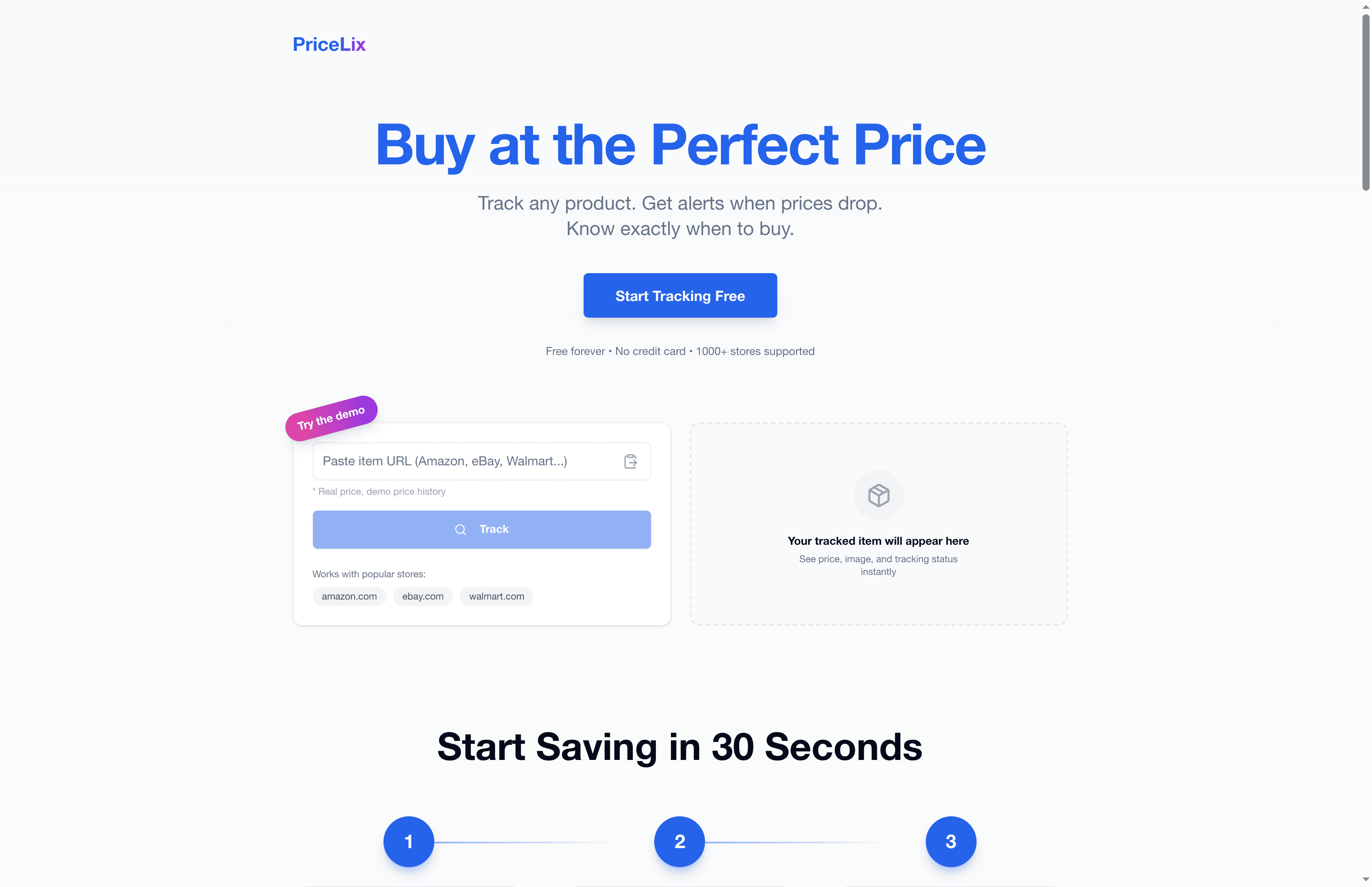
Set personalized alerts for products you want, then let our system watch prices 24/7 while you focus on other priorities. When prices drop to levels worth buying, you’ll receive immediate notifications allowing quick action before algorithms adjust upward again. Our dashboard consolidates all tracked items in one place, showing current prices, recent changes, and predicted trends based on historical data.
Try PriceLix free price tracker today and never overpay again. Join thousands of savvy shoppers who’ve transformed price fluctuations from confusing obstacles into opportunities for consistent savings.
Frequently asked questions about price fluctuations
Why do prices change so often on Amazon?
Amazon uses dynamic pricing algorithms that adjust over 2.5 million prices daily based on demand, competitor pricing, inventory levels, time of day, and individual shopper behavior. This constant optimization helps Amazon remain competitive while maximizing profits across millions of products.
When is the best time to buy online to get the lowest price?
Prices typically hit their lowest points on Sunday mornings between 3-6 AM Eastern time, averaging 23% below weekly peaks. Month-end periods, particularly the last 3-5 days, also offer increased deals as retailers clear inventory before new accounting periods.
How do competitor prices affect my product’s cost?
Retailers monitor competitor pricing continuously and adjust their own prices within 60-90 minutes of detecting changes. This creates cascading effects where one retailer’s price cut triggers responses across the entire market, keeping prices roughly aligned while allowing small variations.
Can I trust dynamic pricing as a shopper?
Dynamic pricing itself is neutral, simply reflecting market conditions and retailer strategies. However, you should verify that “discounts” represent genuine savings by checking price history rather than trusting list prices. Use tracking tools to see whether current prices sit below recent averages.
What tools help me track and predict price changes?
Price tracking platforms monitor products continuously, send alerts when prices drop, and provide historical charts showing typical fluctuation patterns. These tools automate the monitoring process, allowing you to set target prices and receive notifications when items become worth purchasing.
Do different devices show different prices for the same product?
Yes, retailers sometimes display varying prices based on device type, operating system, and browsing history. Algorithms make assumptions about willingness to pay based on these signals, potentially showing higher prices to users of premium devices or those with purchase histories indicating lower price sensitivity.
Recommended
- Price fluctuations explained: shop smart and save in 2026 | PriceLix
- Seasonal pricing trends 2026: save smart shopping | PriceLix
- 6 Best Price Tracking Strategies 2026 for Online Shoppers | PriceLix
- Why Monitor Prices Online in 2026: Save Up to 8% Smartly | PriceLix
- Retail pricing strategies for freeze-dried candy 2026 – Spaceman
- Outsmarting the Airline Hustle: How the Bolstie Saves Your Wallet and – BOLSTIE TRAVEL PILLOW