
Examples of online price comparison tools to save money
Finding the best deal online shouldn’t feel like a second job. Many shoppers struggle to efficiently compare prices across dozens of retailers, missing out on significant savings opportunities. Price comparison tools have emerged as essential allies for validating purchases and maximizing discounts with minimal manual effort. This guide explores the key criteria for selecting effective comparison tools and examines popular examples that help you save money without the hassle of endless browser tabs and spreadsheet tracking.
Table of Contents
- Key takeaways
- How to choose effective online price comparison tools
- Top examples of online price comparison tools
- Comparing popular tools: features, coverage, and accuracy
- Making the best choice for your shopping needs
- Save more with PriceLix tools and insights
- FAQ
Key Takeaways
| Point | Details |
|---|---|
| Accurate product matching | Reliable tools use titles, images, SKUs, and machine learning to minimize mismatches. |
| Price history insights | Price history charts reveal pricing trends and optimal moments to buy. |
| Privacy controls matter | Choose tools that minimize tracking and provide clear opt outs and privacy policies. |
| Total cost awareness | Always factor shipping taxes and promotions when comparing final checkout prices. |
| Cross tool validation | Compare results across several tools to reduce errors and uncover hidden costs. |
How to choose effective online price comparison tools
Selecting the right price comparison tool starts with understanding how price comparison works and what features deliver genuine value. The foundation of any effective tool is accurate product matching. Tools should offer product matching using titles, images, SKUs and ML/NLP for accuracy, plus price history and alerts. Without precise matching, you risk comparing different product variants or models, leading to misleading price differences.
Price history charts transform how you approach purchases. Instead of guessing whether a current price represents a good deal, you can see weeks or months of pricing trends. This historical context reveals patterns like seasonal discounts, flash sales, and gradual price erosion. When combined with automated alerts, you gain the power to purchase at optimal moments without constant manual checking.
Privacy considerations deserve serious attention when choosing comparison tools. Some platforms track your browsing behavior, building detailed profiles of your shopping habits and preferences. Prioritize tools with privacy focus and real-time price matching, and verify shipping/fees. Read privacy policies carefully and look for tools that minimize data collection or offer transparent opt-out options.
The devil lives in the details when it comes to total cost comparison. Many tools display base product prices but omit critical factors:
- Shipping fees that vary by retailer and location
- Taxes calculated differently across platforms
- Membership discounts requiring subscriptions
- Bundled savings that change effective unit prices
- Promotional codes not automatically applied
Beware of common pitfalls that undermine comparison accuracy. Outdated prices create false impressions of savings when retailers have already adjusted their listings. Sponsored listings can bias results toward retailers paying for visibility rather than offering genuinely competitive prices. Product variant mismatches comparing different sizes, colors, or specifications lead to apples-to-oranges comparisons that waste your time.
Pro Tip: Before finalizing any purchase, manually verify the final checkout price including all fees. Comparison tools provide excellent starting points, but retailer-specific promotions, cart-level discounts, and dynamic pricing can shift the actual cost at checkout.
Understanding why compare prices online helps you appreciate which features matter most for your shopping patterns. Frequent buyers benefit from robust alert systems, while occasional shoppers might prioritize breadth of retailer coverage over advanced tracking features.
Top examples of online price comparison tools
Savely stands out for its massive global reach and automatic product detection. Savely covers 1B+ products from 20k retailers in 40+ countries, making it ideal for international shoppers or those seeking hard-to-find items. The browser extension automatically detects products you’re viewing and instantly compares prices across its vast network. This passive approach eliminates the need to manually search multiple retailers, saving considerable time during research phases.
Idealo operates as a comprehensive web-based aggregator with impressive depth. Idealo offers 183 million offers from 30,000 shops with price history and alerts. The platform excels at providing detailed historical pricing data, allowing you to identify genuine discounts versus artificial markups. Its alert system notifies you when tracked items drop to your target price, enabling strategic purchasing during optimal windows.
Lowpi focuses specifically on the US market with strong performance in electronics and consumer goods. Lowpi aggregates prices from 50+ US stores including electronics with up to 40% savings reported. Users particularly appreciate its clean interface and straightforward comparison displays that eliminate confusion. The tool’s strength lies in its curated retailer selection, focusing on reputable stores rather than casting the widest possible net.

Camelcamelcamel carved out a niche as the go-to solution for Amazon shoppers. This specialized tracker monitors Amazon price fluctuations with precision, providing historical charts that reveal pricing patterns over months or years. The tool’s laser focus on a single marketplace allows it to offer features tailored specifically to Amazon’s ecosystem, including tracking across different sellers and conditions.
Each tool brings unique capabilities to the table:
- Barcode scanning for in-store price matching
- Push notifications for immediate drop alerts
- Wishlist integration for organized tracking
- Browser extensions for seamless shopping
- Mobile apps for on-the-go comparisons
These features enable different shopping strategies. Barcode scanning transforms physical retail visits, letting you instantly check if online prices beat in-store offerings. Push notifications ensure you never miss limited-time flash sales. Wishlist integration helps you monitor multiple items simultaneously, perfect for holiday shopping or planned purchases.
Exploring price comparison maximize savings strategies reveals how combining multiple tools creates comprehensive coverage. While one tool might excel at electronics, another could offer better grocery or fashion retailer networks. Strategic tool selection based on your primary purchase categories optimizes your savings potential.
The landscape continues evolving as monitoring product prices online becomes increasingly sophisticated. Machine learning improvements enhance product matching accuracy, while expanding retailer partnerships broaden coverage. However, no single tool captures every retailer or every deal, making informed selection crucial.
Comparing popular tools: features, coverage, and accuracy
Understanding how these tools stack up against each other helps you choose the right solution for your needs. This comparison highlights key differences in retailer coverage, feature sets, and reliability factors.
| Tool | Retailer Coverage | Price History | Alerts | Privacy Focus | Key Strength |
|---|---|---|---|---|---|
| Savely | 20,000+ global | Yes | Real-time | Moderate | Massive international reach |
| Idealo | 30,000+ shops | Detailed charts | Customizable | Strong | Comprehensive European coverage |
| Lowpi | 50+ US stores | Limited | Basic | Moderate | US electronics focus |
| Camelcamelcamel | Amazon only | Extensive | Flexible | Strong | Amazon specialization |
Retailer coverage represents the foundation of comparison effectiveness. Broader networks increase the likelihood of finding the absolute lowest price, but quality matters more than quantity. A tool monitoring 100 carefully selected major retailers often outperforms one tracking 1,000 obscure shops with limited inventory.
Price history depth varies significantly across platforms. Some tools maintain years of historical data, revealing long-term pricing trends and seasonal patterns. Others offer only recent snapshots, limiting your ability to distinguish genuine sales from normal fluctuations. Deep historical data proves invaluable for big-ticket purchases where timing can save hundreds of dollars.
Alert customization determines how effectively tools serve your specific needs. Basic alerts trigger at any price drop, potentially flooding you with notifications for trivial changes. Advanced systems let you set target prices, percentage thresholds, or specific conditions, ensuring you only receive actionable notifications worth your attention.
Accuracy challenges persist across all platforms. Tools vary in price accuracy and may omit shipping/fees; caution advised due to potential outdated or biased listings. Real-world testing reveals that even top-rated tools occasionally display stale prices or miss retailer-specific promotions. This reality underscores the importance of final verification before purchasing.
Product variant mismatches create common accuracy issues. A tool might compare a 64GB smartphone model against a 128GB version, showing a price difference that reflects storage capacity rather than competitive pricing. Color variations, regional editions, and bundled accessories introduce similar complications. Human oversight remains essential for catching these automated matching errors.
Sponsored listings and affiliate relationships introduce potential bias. Some tools prioritize retailers offering higher commissions, subtly steering you toward partners rather than genuinely cheapest options. Transparent platforms clearly label sponsored results, while others blur these distinctions. Understanding these business models helps you interpret results critically.
Pro Tip: Always verify the exact product specifications on the retailer’s site before purchasing based on comparison tool recommendations. Check model numbers, included accessories, warranty terms, and return policies to ensure true equivalence.
Local versus national pricing adds another complexity layer. Some retailers adjust prices by region, offering different rates to customers in different states or cities. Tools using national averages might not reflect your actual available price, particularly for items with significant shipping costs or regional demand variations.
Leveraging best price tracking strategies involves combining tools strategically. Use a broad-coverage tool for initial discovery, then verify findings with specialized trackers for specific marketplaces. This layered approach balances comprehensive searching with accurate, marketplace-specific intelligence.
Learning how to set up price alerts effectively transforms passive comparison into active savings. Configure alerts with realistic target prices based on historical data, avoiding overly optimistic thresholds that never trigger. Set expiration dates for time-sensitive purchases to maintain focus on current opportunities.
Making the best choice for your shopping needs
Your ideal tool selection depends on personal shopping patterns, product preferences, and privacy priorities. Frequent online shoppers benefit from comprehensive tracking systems with robust alert capabilities, while occasional buyers might prefer simpler, on-demand comparison without ongoing monitoring overhead.
Match tools to your primary purchase categories. Electronics shoppers gain maximum value from tools with strong coverage of tech retailers and detailed specification matching. Fashion buyers need platforms tracking clothing sites with size and color variant accuracy. Grocery shoppers require tools handling perishable goods, subscription options, and bulk pricing.
Combining multiple tools creates comprehensive coverage without overwhelming complexity:
- Use one broad-coverage tool for general shopping
- Add marketplace-specific trackers for Amazon, eBay, or other frequent platforms
- Include a privacy-focused option for sensitive purchases
- Consider regional tools for local retailer coverage
Privacy concerns should influence your tool selection if you value data protection. Some shoppers willingly trade browsing data for enhanced recommendations and personalized alerts. Others prefer minimal data collection, accepting potentially less tailored experiences in exchange for privacy. Review each tool’s data practices and choose accordingly.
Avoiding price-only focus improves overall purchase satisfaction. The cheapest option sometimes comes with trade-offs like longer shipping times, questionable seller reputations, or restrictive return policies. Experts recommend cross-checking multiple tools and avoiding price-only focus to ensure data quality and reliable savings. Read seller ratings, review return policies, and factor total delivered cost including time value.
Price alert strategies maximize savings while minimizing effort. Set alerts for items you plan to purchase eventually but don’t need immediately, allowing flexibility to wait for optimal pricing. For urgent needs, use real-time comparison without alerts to find the current best option. This dual approach balances proactive deal-hunting with responsive purchasing.
Timing purchases using historical price data reveals patterns worth exploiting. Many products follow predictable cycles with annual lows during specific months or events. Electronics often hit bottom prices during Black Friday, while outdoor gear drops in off-season periods. Recognizing these patterns helps you plan major purchases around optimal windows.
Consider exploring alternatives like check24 alternatives if you want options beyond mainstream tools. Regional platforms sometimes offer superior local retailer coverage or specialized features for specific markets. Experimenting with different tools helps you discover which interfaces and feature sets best match your preferences.
Developing a systematic approach to track online prices for savings creates consistent results. Establish a routine for checking tracked items, reviewing alerts, and validating prices before purchasing. This disciplined method prevents impulse buying while ensuring you capitalize on genuine opportunities.
Save more with PriceLix tools and insights
Putting these price comparison strategies into practice becomes effortless with the right platform supporting your efforts. PriceLix price comparison platform automates the tracking process across over a thousand retailers, eliminating manual price checking while ensuring you never miss significant drops. The system monitors your tracked items daily, sending alerts only when prices hit your specified targets.
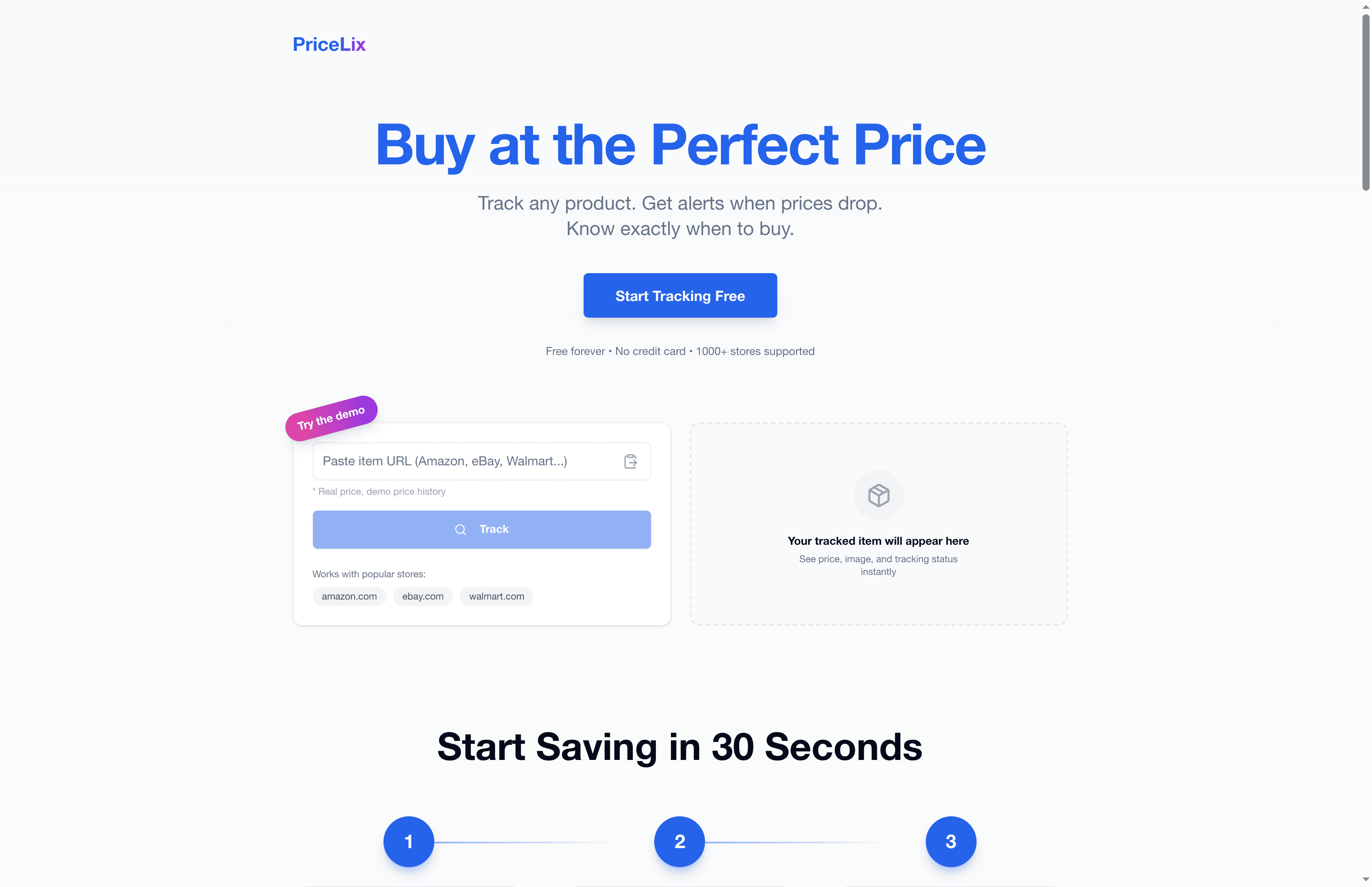
Beyond basic tracking, PriceLix provides detailed price history charts revealing long-term trends that inform smarter purchase timing. Understanding price alert benefits helps you appreciate how automated monitoring transforms occasional savings into consistent discounts across all your online purchases. The platform’s user-friendly dashboard consolidates everything in one place, replacing the chaos of multiple browser extensions and comparison sites.
Getting started takes minutes with the comprehensive guide to price alerts setup walking you through configuration. Whether you’re tracking a single high-value item or monitoring dozens of products across categories, PriceLix scales to match your needs without complexity or subscription fees for basic features.
FAQ
What are the most accurate online price comparison tools?
Accuracy depends heavily on product matching algorithms and how frequently tools update pricing data. Savely and Camelcamelcamel consistently rank among the most reliable options, using sophisticated matching systems and maintaining current price information. However, no tool achieves perfect accuracy across all product categories and retailers.
How do price alerts improve savings?
Price alerts eliminate the need for constant manual checking, automatically notifying you when tracked items reach your target price. This passive monitoring catches price drops you would otherwise miss, with users reporting savings up to 40% on major purchases. Alerts enable strategic purchasing at optimal moments rather than paying whatever price happens to be current when you need something.
Are there privacy risks using price comparison tools?
Some comparison tools track your browsing behavior, purchase history, and product interests to build detailed consumer profiles. This data may be shared with advertisers or retailers, raising legitimate privacy concerns. Choose tools with transparent privacy policies and verified data practices, or opt for privacy-focused alternatives that minimize tracking.
Can price comparison tools find the absolute lowest price?
Tools provide excellent starting points but rarely guarantee the absolute lowest total cost. Many miss shipping fees, applicable taxes, membership discounts, or retailer-specific promotions that affect final checkout prices. Cross-checking multiple tools and manually verifying final costs ensures you capture the genuinely best overall deal rather than just the lowest listed base price.