
Step-by-step price comparison guide for smart savings
Finding the best deal online can feel like searching for a needle in a haystack. Prices shift hourly, shipping costs hide in fine print, and promotional codes expire before you can use them. Many shoppers end up overpaying simply because they lack a systematic approach to price comparison. This guide provides a clear, actionable framework to help you compare prices effectively, track fluctuations, and make confident purchasing decisions that maximize your savings every time you shop.
Table of Contents
- Key takeaways
- Preparing for price comparison: what you need and why it matters
- Executing step-by-step price comparison effectively
- Verifying results and maximizing ongoing savings
- Get started on smarter shopping with PriceLix
- Frequently asked questions
Key Takeaways
| Point | Details |
|---|---|
| Systematic comparison boosts savings | Using a structured process to compare prices helps you identify better deals, track fluctuations, and make confident purchases. |
| Right tools for tracking | A mix of browser extensions, apps with barcode scanners, and dedicated trackers lets you monitor prices across retailers and reduces manual work. |
| Pro tips prevent pitfalls | Before setting price alerts, research the average historical price over the past several months to avoid chasing false sales. |
| Verify prices before purchase | Record current prices with timestamps and check price history to ensure you are getting a genuine discount. |
Preparing for price comparison: what you need and why it matters
Successful price comparison starts with the right foundation. You need three basic items: a reliable device (smartphone, tablet, or computer), stable internet connection, and access to comparison tools. These tools range from simple browser extensions to comprehensive tracking platforms that monitor prices across hundreds of retailers simultaneously.
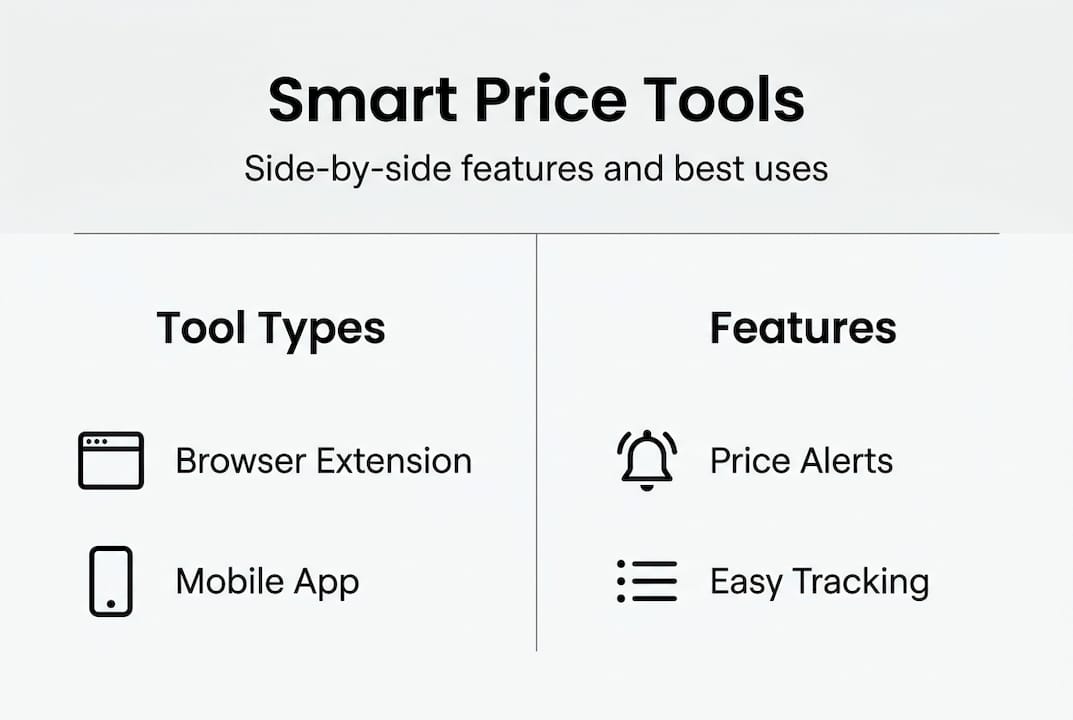
Popular price comparison tools include browser extensions that display historical price data, mobile apps with barcode scanners for in-store comparisons, and dedicated tracking platforms that send alerts when prices drop. Using the right tools and understanding price tracking basics increases savings potential by eliminating manual work and ensuring you never miss a deal. Each tool type serves different shopping styles, so matching your needs to the right solution matters.
Setting clear budget and savings goals transforms random deal hunting into strategic purchasing. Decide how much you want to save monthly or per purchase category. This focus prevents impulse buying disguised as deal seeking. If you typically spend $200 monthly on electronics, aim to reduce that by 15% through systematic comparison. Concrete targets keep you accountable and motivated.
Price alerts and tracking tools save both money and time by automating the monitoring process. Instead of manually checking five websites daily, you set up alerts once and receive notifications only when prices hit your target. This efficiency lets you focus on other priorities while still capturing optimal purchase windows. The time saved compounds over weeks and months.
| Tool Type | Key Features | Best For | Ease of Use |
|---|---|---|---|
| Browser Extensions | Real-time price history, instant comparisons | Desktop shoppers checking multiple tabs | Very Easy |
| Mobile Apps | Barcode scanning, location-based deals | In-store price matching | Easy |
| Tracking Platforms | Multi-retailer monitoring, custom alerts | Serious savers tracking expensive items | Moderate |
Pro Tip: Before setting price alerts, research the average historical price for your desired product over the past 3-6 months. This prevents you from celebrating a “sale” that’s actually just a return to normal pricing. Many retailers artificially inflate prices before major sales events, making discounts appear larger than they truly are.
Understanding product pricing patterns helps you recognize genuine deals. Electronics typically drop in price when new models launch. Clothing follows seasonal clearance cycles. Home goods see discounts during holiday weekends. Knowing these patterns lets you time purchases strategically rather than buying reactively. A price tracking checklist can help you organize this knowledge and apply it consistently.
With your tools ready and goals defined, you’re prepared to execute the actual comparison process systematically.
Executing step-by-step price comparison effectively
Systematic step-by-step price comparison ensures better deal identification by eliminating guesswork and emotional purchasing. Follow these sequential steps to gather complete pricing data and calculate true costs accurately.
- Select your target product with specific model numbers or exact specifications. Vague searches return inconsistent results that waste time.
- List all potential sellers including major retailers, manufacturer websites, and marketplace platforms. Don’t limit yourself to familiar names.
- Record current advertised prices for identical products across all sellers. Screenshot or note prices with timestamps since they change frequently.
- Check price history using tracking tools to see if current prices represent good value. A product at $50 today might have been $35 last month.
- Apply all relevant filters for shipping costs, estimated taxes, and available discount codes. The lowest sticker price rarely equals the lowest total cost.
- Calculate final out-of-pocket cost for each seller including all fees and potential cashback or rewards.
- Set price drop alerts for your top three options if none currently meet your target price.
Price history tools reveal pricing trends that inform purchase timing. If a product consistently drops 20% every three months, waiting makes financial sense unless you need it immediately. Historical data also exposes fake discounts where retailers claim huge savings from artificially high “original” prices. Look for actual selling price patterns, not manufacturer suggested retail prices.

Filters transform raw price data into actionable comparisons. A product listed at $45 with $15 shipping costs more than one at $55 with free shipping. State sales tax adds another variable, with rates ranging from zero to over 10% depending on location and product category. Discount codes found through quick searches can slash 10-25% off advertised prices, but they require active hunting.
| Seller | Base Price | Shipping | Tax | Discount Code | Final Cost |
|---|---|---|---|---|---|
| Retailer A | $79.99 | Free | $6.40 | -$8.00 (10%) | $78.39 |
| Retailer B | $74.99 | $8.99 | $6.72 | None | $90.70 |
| Retailer C | $82.99 | Free | $6.64 | -$12.45 (15%) | $77.18 |
Pro Tip: Set price drop alerts at 10-15% below current best price rather than hoping for unrealistic discounts. This strategy balances patience with practicality, ensuring you actually complete purchases instead of waiting indefinitely for prices that may never materialize. Retailers use dynamic pricing algorithms that rarely drop products below profitability thresholds.
Common pitfalls derail even careful shoppers. Ignoring shipping fees creates false savings perceptions. Timing purchases wrong means missing limited-time promotions or buying right before predictable price drops. Failing to verify seller authenticity risks counterfeit products or non-delivery. Overlooking return policies can trap you with unsuitable purchases. Following price comparison best practices helps you sidestep these mistakes consistently.
Another frequent error involves comparing different product versions or conditions. A refurbished item costs less than new, but the comparison only makes sense if you’re willing to accept refurbished quality. Similarly, comparing a base model to a premium version with extra features misleads you about actual value. Always compare identical specifications.
Having executed thorough comparisons, the next critical phase involves verifying your findings before committing to purchase.
Verifying results and maximizing ongoing savings
Verification prevents costly mistakes that undermine your comparison efforts. Before clicking purchase, confirm that deals remain valid and sellers maintain good reputations. Prices change rapidly online, so a great deal found this morning might disappear by afternoon. Check current pricing immediately before checkout to avoid disappointment or unexpected charges.
Continuous monitoring and verification prevent overpaying by catching price fluctuations even after initial comparison. Products you don’t need immediately benefit from extended monitoring. Set alerts to track prices over weeks or months, purchasing only when they hit your target. This patient approach works especially well for non-urgent items like seasonal decorations, backup electronics, or future gifts.
Seller reliability matters as much as price. A suspiciously low price from an unknown seller often signals counterfeit products, bait-and-switch tactics, or outright scams. Verify seller ratings, read recent reviews focusing on delivery speed and product authenticity, and confirm clear return policies before purchasing. Established retailers charge slightly more but provide purchase protection and reliable customer service.
Return policies vary dramatically between sellers and directly impact purchase risk. Some retailers offer 90-day returns with free return shipping, while others charge restocking fees or limit returns to 14 days. Factor return convenience into your comparison, especially for items you might need to exchange. A product $5 cheaper with a terrible return policy costs more if you need to return it.
- Check for new promotional codes immediately before purchase using quick browser searches
- Verify that product specifications match exactly what you researched earlier
- Confirm estimated delivery dates meet your timeline needs
- Review final checkout price including all fees before submitting payment
- Screenshot order confirmation and price details for future reference
| Tracking Method | Frequency | Pros | Cons |
|---|---|---|---|
| Manual checks | Daily or weekly | Complete control, no tool needed | Time-consuming, easy to forget |
| Automated alerts | Real-time | Instant notifications, no effort | Requires initial setup |
| Wishlist monitoring | Varies by platform | Built into shopping sites | Limited to single retailer |
| Third-party trackers | Continuous | Multi-retailer coverage | May miss some price changes |
Pro Tip: Many major retailers offer price match guarantees that refund the difference if prices drop within 14-30 days after purchase. Keep your receipts and monitor prices even after buying. This safety net lets you purchase with confidence when you find a good deal, knowing you’re protected against immediate price drops. Some credit cards also provide price protection as a benefit.
Careful verification before purchase protects you from buyer’s remorse and ensures the deal you found actually delivers the savings you expected. Taking five extra minutes to confirm details prevents hours of frustration dealing with returns or disputes.
Ongoing savings strategies extend beyond single purchases. Track your savings monthly to see cumulative impact and stay motivated. Many shoppers save 15-30% annually through consistent price comparison habits. These savings compound over time, freeing budget for other priorities or building emergency funds. Understanding types of online price tracking helps you choose methods matching your shopping patterns and commitment level.
Seasonal shopping patterns offer predictable savings opportunities. Electronics drop during back-to-school and Black Friday periods. Fitness equipment discounts peak in January and summer. Outdoor furniture clears out in fall. Align major purchases with these cycles when possible. Planning ahead turns seasonal patterns into reliable savings rather than random luck.
With verification complete and ongoing monitoring established, you’re ready to put these strategies into practice with tools designed specifically for smart shoppers.
Get started on smarter shopping with PriceLix
PriceLix streamlines everything covered in this guide into one comprehensive platform. Instead of juggling multiple tools and manually tracking prices across dozens of retailers, PriceLix automates the entire process. You add products to your dashboard once, and the platform monitors prices continuously across over a thousand stores including Amazon, eBay, Walmart, and specialized retailers.
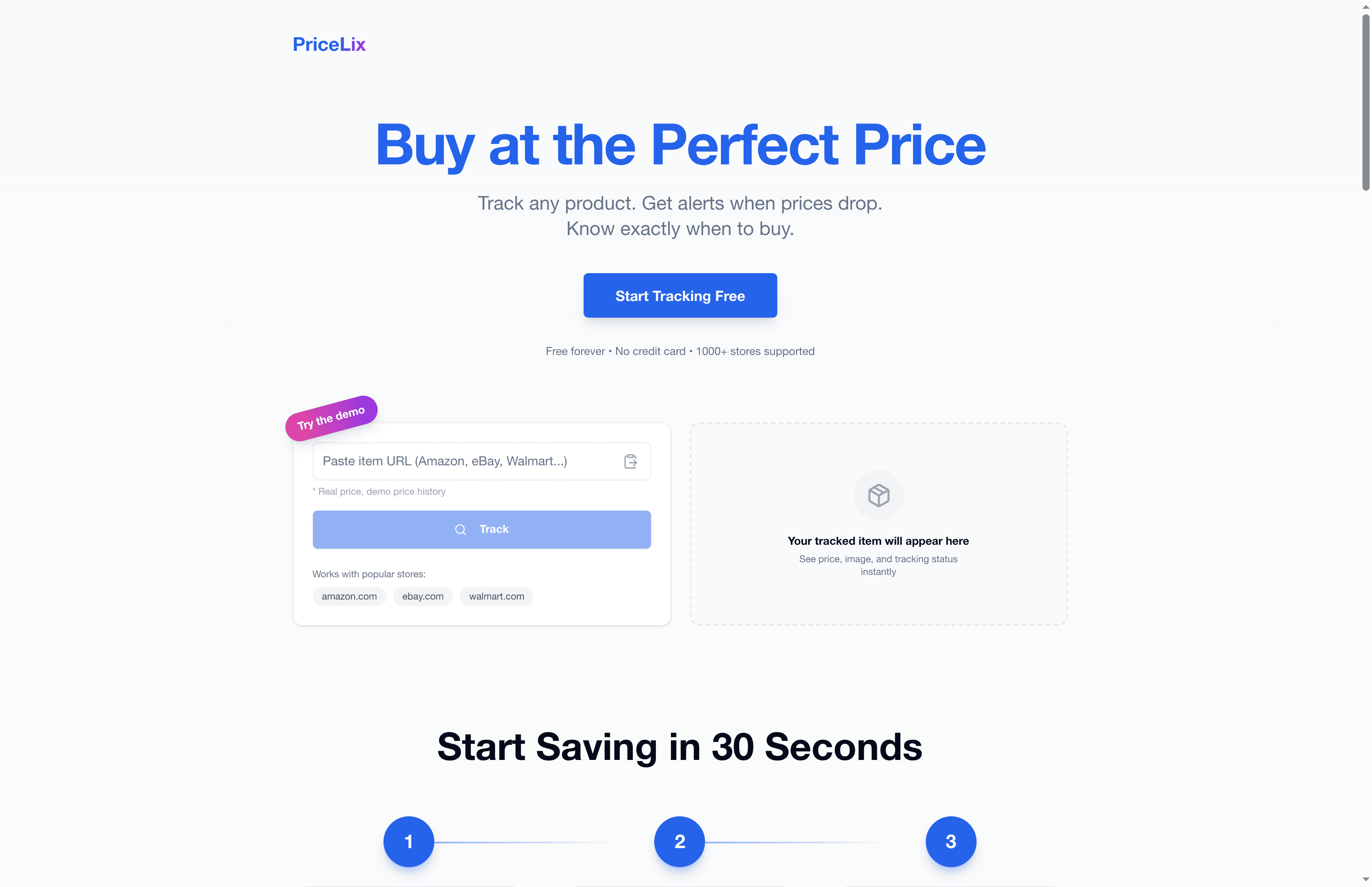
Smart alerts notify you the moment prices drop to your target, eliminating the need for daily manual checks. Detailed price history charts show you exactly when to buy and when to wait. The user-friendly interface consolidates all your tracked items in one place, making it easy to manage multiple products and compare options side by side. Visit the PriceLix homepage to start tracking your first products free, or explore online price comparison tools to understand how technology amplifies your savings potential. Learn more about maximizing savings with price comparison through strategic approaches that complement automated tracking.
Frequently asked questions
What is step-by-step price comparison?
Step-by-step price comparison is a systematic method of evaluating product prices across multiple sellers using sequential steps to identify the best total cost. It involves gathering prices, checking historical data, calculating all fees, and verifying deals before purchase. This structured approach helps buyers make informed decisions and avoid common mistakes like ignoring shipping costs or timing purchases poorly.
How do price tracking tools help me save money?
Price tracking tools monitor product prices continuously and send alerts when costs drop to your target level, allowing you to purchase at optimal times. They eliminate manual checking across multiple websites and ensure you never miss limited-time offers or flash sales. Tools also provide historical price data that reveals genuine deals versus fake discounts, helping you avoid overpaying during misleading promotional periods.
What are common mistakes to avoid during price comparison?
Ignoring shipping costs and sales tax creates false savings perceptions since these fees significantly impact final purchase price. Forgetting to verify seller reviews and ratings risks receiving counterfeit products or experiencing poor customer service. Not using price drop alerts means missing future savings opportunities on non-urgent purchases. Comparing different product versions or conditions leads to inaccurate value assessments that undermine your decision making.
How long should I track prices before buying?
Track prices for at least two to four weeks for non-urgent purchases to identify pricing patterns and seasonal fluctuations. Urgent needs require faster decisions, but even a few days of tracking can reveal whether current prices represent good value. Products with stable prices and minimal historical variation can be purchased sooner, while items with frequent discounts benefit from extended monitoring to capture optimal purchase windows.
Can I use price comparison for in-store shopping?
Yes, mobile price comparison apps with barcode scanning features let you check online prices while shopping in physical stores. Many retailers offer price matching policies that honor lower prices from approved competitors. This strategy combines the convenience of immediate in-store purchase with online pricing advantages. However, factor in your time value when comparing small price differences that might not justify the effort.
Recommended
- Price Comparison: Maximizing Savings Online | PriceLix
- Why Compare Prices Online: Maximizing Savings Today | PriceLix
- How Price Comparison Works for Smart Shoppers | PriceLix
- Price Tracking Checklist 2026: Save 18% with Smart Alerts | PriceLix
- 6 clevere Tipps zum Parfümkauf für Sparfüchse – Pure Parfüm