
Dynamic pricing explained: outsmart retail price fluctuations
TL;DR:
- Dynamic pricing adjusts online product prices in real time based on demand, inventory, and competitor actions.
- Shoppers can benefit by tracking price histories, using incognito mode, setting alerts, and timing purchases.
- Understanding patterns and being patient give consumers an edge over sophisticated, fast-moving pricing algorithms.
You add something to your cart, walk away for an hour, and come back to find the price jumped $15. No warning. No explanation. Just a higher number staring back at you. This isn’t a glitch. It’s dynamic pricing at work, and it’s happening constantly. Amazon changes prices millions of times daily, meaning the price you see right now could be completely different in 20 minutes. The good news? Once you understand how this system works, you stop being the person it works against. This guide breaks down dynamic pricing from the ground up so you can shop smarter, time your purchases better, and stop leaving money on the table.
Table of Contents
- What is dynamic pricing?
- How does dynamic pricing work? Key methods and algorithms
- Why do prices change? Factors influencing real-time adjustments
- Does dynamic pricing benefit shoppers? Myths, realities, and smart strategies
- What most shoppers miss about dynamic pricing
- Take your shopping strategy further
- Frequently asked questions
Key Takeaways
| Point | Details |
|---|---|
| Always-changing prices | Prices on major retail sites shift constantly, sometimes multiple times daily based on demand and data. |
| Algorithm-driven strategies | Retailers use AI and sophisticated pricing methods to optimize both sales and profits. |
| Smart shopping pays off | Understanding dynamic pricing empowers you to shop at the right time and maximize savings. |
| Watch for timing and trends | Patterns like sales, inventory drops, and competitor war can reveal the best times to purchase. |
| Use tracking tools | Leverage modern price alert and tracking tools for transparency and confidence in deals. |
What is dynamic pricing?
Let’s start with the basics. Dynamic pricing is a strategy where prices adjust in real-time based on demand, supply, competitor prices, and a dozen other signals. It’s not new. Airlines have been doing it for decades. But in e-commerce, it’s become incredibly fast and sophisticated.
You’ve probably experienced it without realizing it. Here are the most common places you’ll run into it:
- E-commerce platforms like Amazon, Walmart, and eBay
- Airlines and travel booking sites where ticket prices shift by the hour
- Ride-sharing apps like Uber and Lyft during surge pricing
- Hotels and short-term rentals adjusting rates by season and availability
- Streaming services and digital subscriptions testing different price points by region
The core idea is simple. When demand goes up, prices go up. When inventory piles up or demand drops, prices fall. Retailers use this to maximize revenue at every moment, rather than locking in a flat price that might leave money on the table during busy periods or kill sales during slow ones.
“Dynamic pricing isn’t a trick retailers play on you. It’s a market mechanism. The trick is knowing how to read it.”
What makes it feel sneaky is that it happens invisibly. You’re not told the price changed because 500 other people are looking at the same item right now. You just see a number. That’s why understanding why prices fluctuate online is so valuable. It shifts you from reactive to informed.
Prices can also vary based on your location, your device, your browsing history, and even the time of day. Two people searching for the same product at the same moment might see different prices. That’s not a bug. For retailers, it’s a feature.
How does dynamic pricing work? Key methods and algorithms
With the basics set, let’s look under the hood to see exactly how retailers decide when, and by how much, to shift prices.
There are several core pricing methods retailers use:
| Pricing method | How it works | Common use case |
|---|---|---|
| Cost-plus pricing | Adds a fixed margin on top of cost | Small retailers, wholesale |
| Competitor-based | Mirrors or undercuts rival prices | Amazon, big-box stores |
| Value-based | Prices reflect perceived customer value | Premium brands, software |
| Demand-based | Prices rise and fall with real-time demand | Airlines, ride-sharing |
| Segment-based | Different prices for different customer groups | Subscriptions, memberships |
Most large retailers don’t use just one of these. They layer them. Amazon, for example, blends competitor-based and demand-based pricing, constantly crawling rival sites and adjusting accordingly.
Behind all of this are algorithms. Modern pricing engines pull in data from multiple sources: historical sales patterns, current inventory levels, competitor pricing feeds, web traffic, and even social media signals. Then they run calculations to find the price most likely to maximize revenue at that specific moment.
AI and machine learning have accelerated this dramatically. Techniques like regression modeling (predicting future demand from past data), reinforcement learning (algorithms that improve through trial and error), and time-series analysis (spotting seasonal patterns) are now standard tools. The result? Pricing strategy optimization can deliver up to 31% revenue gains for retailers using these methods well.
Price changes can be subtle, just a few cents to stay ahead of a competitor, or dramatic, like a 3x surge during a major weather event. Understanding how price algorithms work helps you recognize when a price is genuinely low versus when you’re catching it at a temporary spike.
Pro Tip: If you notice a price seems unusually high on a popular item, wait 24 to 48 hours and check again. Demand-based algorithms often reset prices once traffic cools down. You can also read more about real-time price changes to understand how fast these shifts actually happen.
Why do prices change? Factors influencing real-time adjustments
Understanding the algorithms is only part of the equation. Knowing what actually triggers them gives you real-world leverage.
Here are the main factors that cause prices to shift in real time:
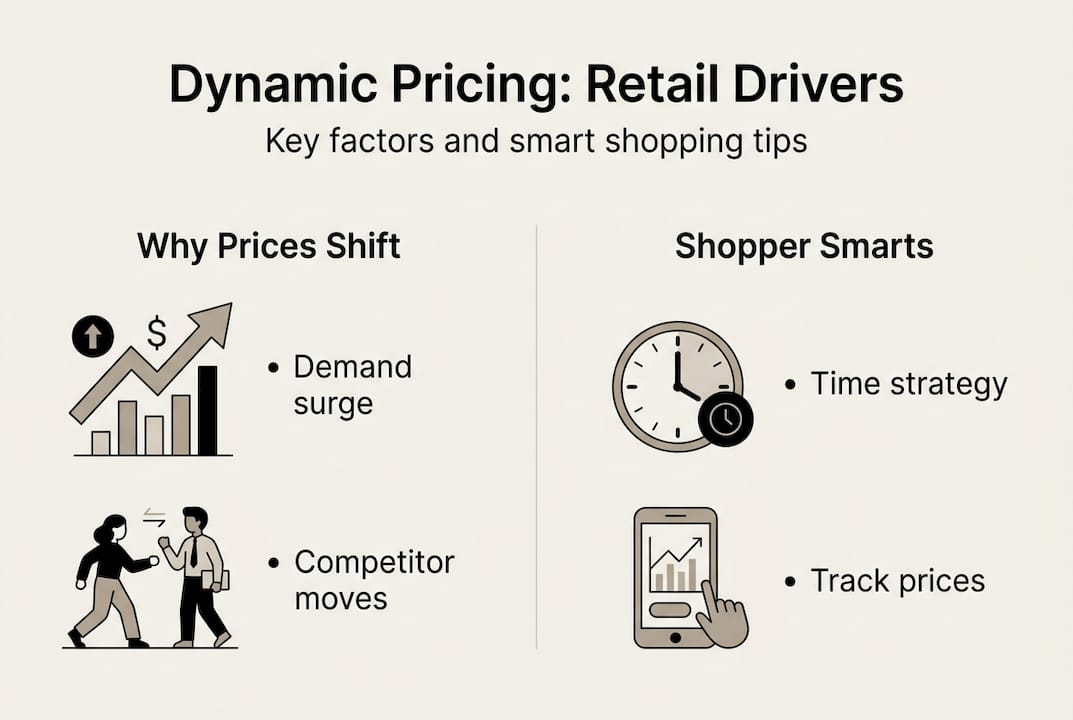
- Demand spikes: A product goes viral, gets featured in a news story, or hits a holiday sale. Traffic surges and prices follow.
- Inventory levels: When stock runs low, prices often rise to slow demand. When warehouses are overstocked, discounts appear.
- Competitor moves: If a rival drops their price, automated systems can match or beat it within minutes.
- Your browsing behavior: Visiting a product page multiple times can signal strong intent. Some platforms use this to hold prices firm or even nudge them up slightly.
- Device and location: Mobile users sometimes see different prices than desktop users. Shoppers in high-income zip codes can see higher prices on certain platforms.
- Time of day and week: Prices on travel and electronics often dip late at night or mid-week when fewer people are shopping.
Let me hit you with some numbers. Amazon makes roughly 2.5 million price changes per day, and AI-optimized dynamic pricing can yield a 15 to 25% revenue lift for sellers. That’s not a small operation. That’s a machine running 24/7 to extract maximum value from every transaction.

For you as a shopper, this means timing matters more than most people realize. Checking reasons prices fluctuate before a major purchase can reveal patterns worth acting on.
Pro Tip: Before buying anything over $50, check the price at a different time of day and on a different device. You might be surprised how much variation exists for the exact same item. More smart shopping insights can help you build this habit quickly.
Does dynamic pricing benefit shoppers? Myths, realities, and smart strategies
With a clear view of what triggers dynamic pricing, let’s separate fact from fiction and show how you can tilt the odds in your favor.
First, the myths:
Myth 1: Dynamic pricing is always designed to rip you off. Not true. It can also work in your favor. Off-peak pricing on flights, clearance discounts when inventory piles up, and flash sales are all forms of dynamic pricing that benefit shoppers.
Myth 2: It’s always hidden and deceptive. Sometimes it’s completely transparent. Uber tells you there’s surge pricing before you confirm the ride. Airlines show you price calendars. Opacity varies by retailer.
Now, the realities. Dynamic pricing delivers 10 to 25% revenue gains for sellers, but that doesn’t mean you’re helpless. Retailers also run A/B tests and set price floors and ceilings to avoid customer backlash. They know that if shoppers feel cheated, they lose trust and long-term revenue. You can explore real-world ROI case studies to see how this plays out across different e-commerce categories.
Here’s a comparison of shopper scenarios:
| Shopper behavior | Likely outcome |
|---|---|
| Buys immediately during a demand spike | Pays peak price |
| Waits and checks price history | Often finds a lower price |
| Uses incognito browsing | Avoids behavior-based pricing |
| Sets a price alert | Catches the dip automatically |
| Compares across multiple stores | Finds the best available price |
Smart strategies you can use right now:
- Track price history before buying. A product listed at $89 might have been $60 last month.
- Use incognito mode when browsing to avoid triggering behavior-based pricing.
- Set price alerts so you’re notified the moment a price drops to your target.
- Avoid shopping during demand spikes like Black Friday morning or right after a viral product launch.
- Compare across stores rather than assuming one platform has the best deal.
“The house always wins if you play by its rules. Change the rules by shopping with data, not impulse.”
Mastering online pricing tactics doesn’t require a degree in data science. It just requires a few habits. Learn to shop smart and save by treating price as a moving target, not a fixed fact. And if you want to go deeper on finding deals, bargain hunting strategies are worth bookmarking.
What most shoppers miss about dynamic pricing
Here’s something most guides won’t tell you: you can’t truly “outsmart” a dynamic pricing algorithm. The system is faster, has more data, and runs continuously. Trying to reverse-engineer it in real time is a losing game.
What you can do is be more patient and more observant than the average shopper. That’s actually enough.
The retailers who use dynamic pricing well know that AI enhances pricing but risks creating surveillance pricing if left unchecked. Smart brands build guardrails, price floors, ceilings, and rules-based limits to protect customer trust. That means prices don’t swing infinitely. There are patterns, and patterns are readable.
Simple tools like price history advantages give you a window into those patterns without needing to decode any algorithm. Awareness, not anxiety, is your real edge. When you know a product typically drops 20% in the third week of the month, you don’t panic about today’s price. You just wait.
The shoppers who win aren’t the ones chasing algorithm secrets. They’re the ones who stay calm, use data, and buy at the right moment.
Take your shopping strategy further
Ready to use this information in the real world? Knowing how dynamic pricing works is step one. Acting on it consistently is where the real savings happen.
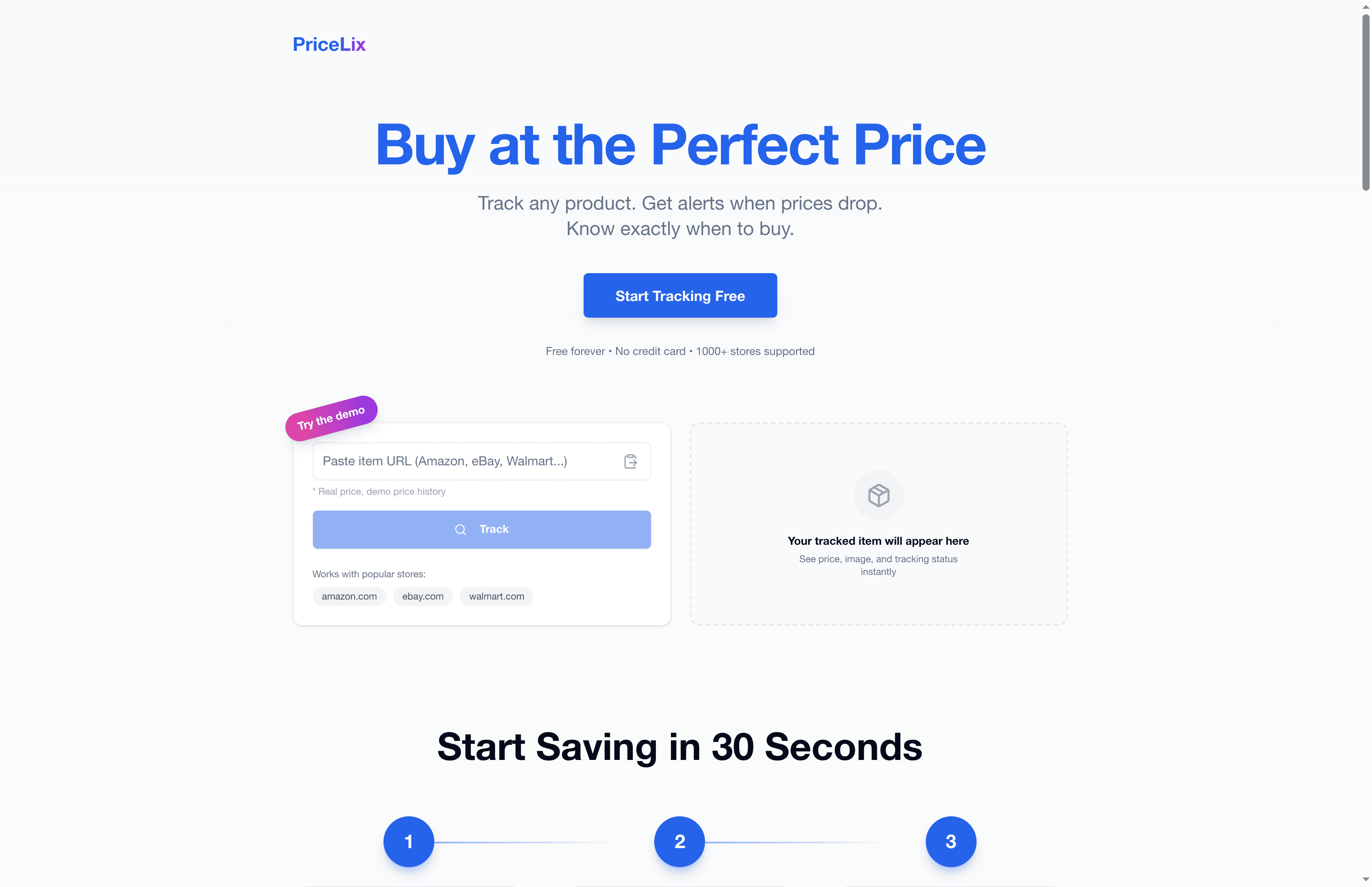
With PriceLix tools, you can track prices automatically across Amazon, Walmart, eBay, and over a thousand other stores. Set alerts for your target price, view full price history charts, and stop guessing when to buy. Our pricing tools and guides are built specifically for shoppers who want to stop bleeding money and start buying with confidence. No browser extensions needed. Just smarter shopping, on your terms.
Frequently asked questions
What is an example of dynamic pricing in everyday life?
Dynamic pricing is common in airlines and ride-sharing, such as Uber surge pricing, where fares spike during rush hour based on real-time demand and driver availability. Booking a flight and watching the price change every time you refresh the page is another classic example.
How can I avoid paying higher prices due to dynamic pricing?
Shop at off-peak times, use price tracking tools, browse incognito, and compare across sites. Understanding demand spikes and inventory levels helps you time purchases to avoid peak pricing moments.
Is dynamic pricing legal and ethical?
Dynamic pricing is legal when done transparently, but businesses must avoid discriminatory practices and protect consumer trust. Retailers use guardrails and clear objectives to maintain brand trust while still optimizing revenue.
Do all online stores use dynamic pricing algorithms?
Not all, but most major platforms do. Amazon makes 2.5 million price changes per day using sophisticated algorithms to stay competitive and maximize profit across millions of product listings.