
Understanding seller price changes: smart shopping insights
TL;DR:
- Online prices fluctuate frequently due to demand, competition, inventory, and external market forces.
- Personalized pricing varies based on shopper data, leading to different prices for the same product.
- Awareness and tools like price trackers help consumers avoid overpaying by monitoring real price changes.
You check a product price on Monday, add it to your cart, and by Friday it’s $15 more expensive. Sound familiar? Online prices are moving faster than most shoppers realize. Price changes doubled in frequency during the 2022 inflation surge, and that pace hasn’t slowed down. This guide breaks down exactly why prices shift so often, who’s pulling the levers, and how you can use that knowledge to stop overpaying and start shopping smarter.
Table of Contents
- The mechanics of dynamic pricing
- External and internal forces: Market, costs, and inflation
- Personalized and algorithmic pricing: What you see vs. what others pay
- Edge cases: Surge pricing, small price tweaks, and pricing formats
- Our perspective: The real story behind price changes and what savvy shoppers can do
- Take action: Smarter shopping starts here
- Frequently asked questions
Key Takeaways
| Point | Details |
|---|---|
| Dynamic pricing power | Real-time pricing lets sellers boost revenue but can increase cart abandonment risk. |
| Impact of inflation | External factors like inflation and tariffs drive frequent price hikes in online stores. |
| Personalized prices | AI-driven pricing means you may pay a different price than other shoppers for the same item. |
| Store format effects | Price change frequency depends on whether a store uses EDLP or Hi-Lo system. |
| Shopper strategies | Incognito shopping, price tracking, and deal monitoring help reduce risk and maximize savings. |
The mechanics of dynamic pricing
Dynamic pricing is the practice of adjusting product prices in real time based on supply, demand, competition, and other live data signals. It’s not new. Airlines and hotels have used it for decades. But now it’s standard across e-commerce, from giant retailers like Amazon to smaller specialty stores.
The core idea is simple: if demand goes up and inventory goes down, the price goes up. If a competitor drops their price, your price drops to match. Algorithms handle all of this automatically, often making hundreds of price changes per day on a single product listing.
Here’s what typically triggers a dynamic price adjustment:
- Demand spikes (a product goes viral, a holiday approaches)
- Competitor price changes (another seller drops or raises their price)
- Low inventory levels (scarcity drives prices up)
- Time of day or week (some platforms charge more during peak browsing hours)
- Shopper behavior signals (repeat visits to a product page can trigger price increases)
These real-time price changes happen without any human hitting a button. It’s all automated, and it’s moving fast.
Statistic callout: Dynamic pricing raises revenue 12.3% on average for sellers, but it also increases cart abandonment by 8.7%. So sellers win more revenue but risk losing impatient shoppers.
Here’s a quick comparison to put it in perspective:
| Feature | Dynamic pricing | Static pricing |
|---|---|---|
| Price update frequency | Multiple times per day | Rarely, if ever |
| Revenue optimization | High | Low |
| Shopper predictability | Low | High |
| Cart abandonment risk | Higher | Lower |
| Common users | Amazon, airlines, Uber | Small local retailers |
The surge pricing ethics debate is real. Sellers argue it’s efficient. Shoppers argue it’s manipulative. Both sides have a point. What matters for you is knowing it exists and planning around it.
Understanding why prices fluctuate is the first step to avoiding the traps built into this system.
External and internal forces: Market, costs, and inflation
Dynamic pricing is the technology-driven enabler, but sellers also respond to broader market and internal forces. These factors push prices even further and faster.
Inflation is the most obvious one. When supplier costs rise, sellers raise prices to protect their margins. It’s not greed, it’s math. The frequency of price changes doubled in 2022 during high inflation, and 65% of Amazon sellers raised prices in 2024. That’s not a small shift. That’s the majority of sellers adjusting simultaneously.
Tariffs add another layer. When import costs spike, retailers adjust prices quickly to protect margins, sometimes within days of a tariff announcement. The uncertainty alone can trigger preemptive price hikes before costs even hit.
Here’s a breakdown of how different external forces affect price change frequency:
| Trigger | Typical price response time | Frequency of changes |
|---|---|---|
| High inflation | Days to weeks | Very high |
| New tariffs | Days | High |
| Supply chain disruption | 1 to 2 weeks | High |
| Seasonal demand | Weeks in advance | Moderate |
| Competitor price drop | Hours to days | High |
The factors affecting online prices stack on top of each other. A supply shortage during a tariff period during peak season? Prices can jump dramatically and quickly.
Here’s the order in which these forces typically hit a product’s price:
- Supplier raises raw material costs
- Manufacturer increases wholesale price
- Retailer absorbs cost or passes it to shoppers
- Algorithm detects competitor price change and adjusts
- Demand surge (holiday, viral moment) pushes price further
You can also monitor seasonal pricing trends to anticipate when these forces are most likely to collide.
Pro Tip: Set up price alerts before major market events like tariff announcements or holiday shopping seasons. Prices often spike in the days leading up to these events, not just during them. Getting ahead of the curve can save you 10% to 20% on high-demand items.
Personalized and algorithmic pricing: What you see vs. what others pay
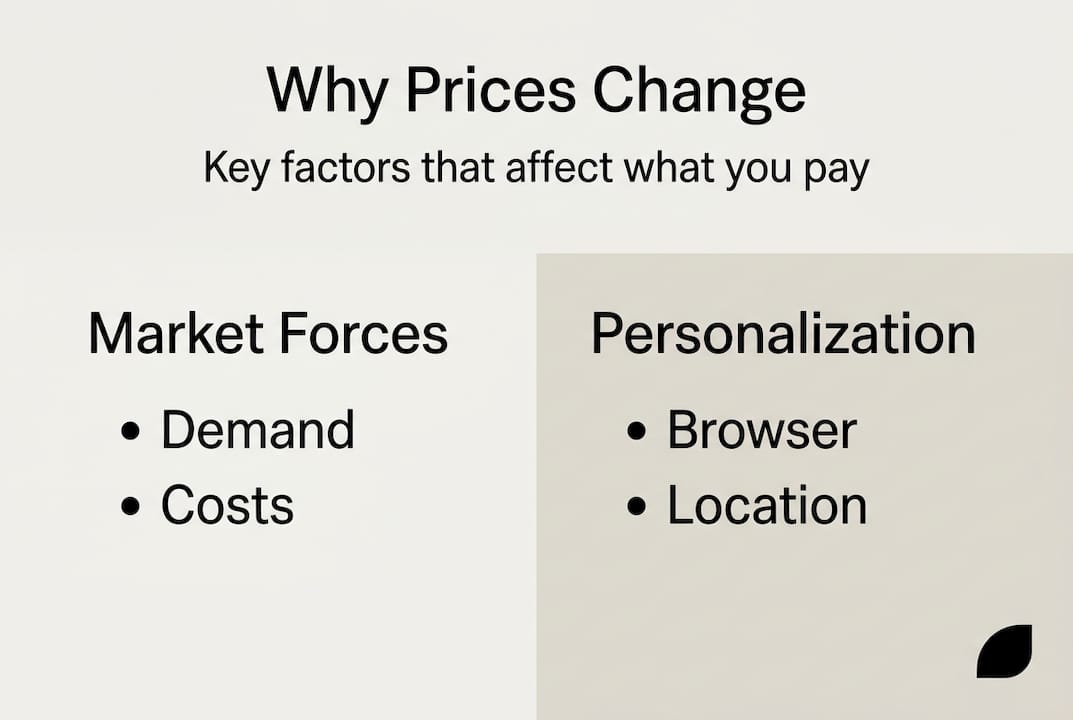
Here’s where it gets personal. Literally. Sellers don’t just adjust prices based on market conditions. They adjust them based on you. Your location, your browsing history, your account data, your device, and even your loyalty status can all influence the price you see.
This is called personalized pricing, and it’s more widespread than most shoppers know. Instacart prices varied up to 23% for the same items depending on the shopper, and algorithms were used in one-third of top Amazon products as far back as 2015. The technology has only gotten more sophisticated since then.
Here’s how sellers determine your personalized price:
- Location data (shoppers in high-income zip codes may see higher prices)
- Device type (Mac users have historically been shown pricier hotel options)
- Browsing and purchase history (repeat visitors to a product page signal high intent)
- Account loyalty tier (ironically, loyal customers sometimes pay more)
- Time spent on a product page (longer dwell time can trigger a price increase)
Understanding how price algorithms work helps you see why two people sitting in the same room can see different prices for the same item.
Researchers studying personalized pricing have found that the gap between what different shoppers pay for identical products is growing, not shrinking, as AI tools become more powerful.
The role of price tracking algorithms on the seller side is to maximize revenue per customer. On your side, the goal is the opposite: pay as little as possible.
Pro Tip: Before buying anything over $50, open an incognito window, clear your cookies, and search for the same product. Compare that price to what you see in your regular browser. The difference might surprise you. Using a price tracker adds another layer of protection against paying the personalized premium.
Edge cases: Surge pricing, small price tweaks, and pricing formats
Not all price changes are dramatic. Some are subtle, and that’s what makes them dangerous for shoppers who aren’t paying attention.
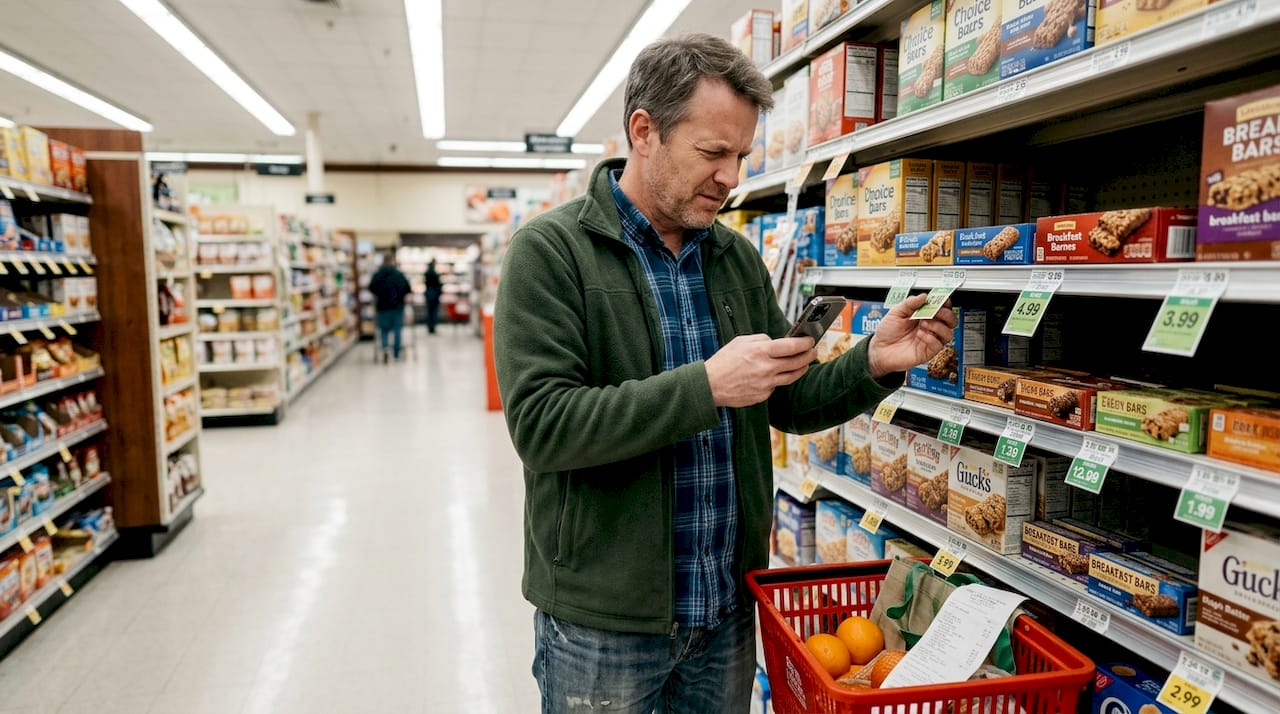
Surge pricing is the most visible edge case. It happens when demand spikes suddenly, like during a holiday weekend, a major event, or even a heat wave. On a hot day, drink prices can jump 50 cents at automated vending machines. During peak holiday shopping, electronics prices can spike 15% to 30% in the days before a sale even begins.
Then there’s the APIS phenomenon. APIS stands for asymmetric price increases, and it means small price increases happen far more often than small price decreases. Sellers nudge prices up in tiny increments, hoping shoppers won’t notice. A $29.99 item becomes $31.49, then $32.99. Each jump is small. The total drift over months is significant.
Here are common subtle price tweak tactics sellers use:
- Incremental price increases of $1 to $3 every few weeks
- Removing free shipping thresholds to effectively raise the total cost
- Shrinking bundle sizes while keeping the same price
- Adjusting prices on weekends when fewer shoppers compare
- Raising prices just before a “sale” to make the discount look bigger
Store format also plays a major role. EDLP stores change prices (every day low price retailers) roughly every 7 weeks, while Hi-Lo stores (those that cycle through promotions) change prices every 24 weeks on average.
| Store format | Price change frequency | Strategy |
|---|---|---|
| EDLP (e.g., Walmart) | Every ~7 weeks | Consistent low prices |
| Hi-Lo (e.g., department stores) | Every ~24 weeks | Frequent promotions |
| Marketplace (e.g., Amazon) | Multiple times daily | Algorithmic, demand-driven |
Knowing the format of where you shop helps you time purchases better. Check bargain hunting strategies for timing tactics matched to each store type.
Surge pricing ethics remain hotly debated, but the practical reality is this: if you’re not watching prices over time, you’re likely paying more than you need to.
Our perspective: The real story behind price changes and what savvy shoppers can do
Most articles frame price changes as pure profit chasing. We think that’s too simple. Dynamic and personalized pricing are also tools for efficient resource allocation. When prices rise during a shortage, it signals that supply is limited and helps distribute goods more fairly, at least in theory. The problem is when that efficiency argument gets used to justify price gouging on essentials.
Here’s what most people miss: you have more leverage than you think. Sellers rely on shopper inertia. Most people don’t compare prices, don’t check price history, and don’t use incognito mode. That inertia is priced in. When you break that pattern, you step outside the system.
Practical steps to counter personalized and surge pricing:
- Use incognito mode and clear cache before searching
- Compare prices across at least two platforms before buying
- Check price history before trusting a “sale” badge
- Use smart pricing tactics to time your purchases strategically
Price trackers help reduce personalized pricing risk by showing you the real price baseline, not the one the algorithm thinks you’ll pay. That’s the edge informed shoppers have. Use it. Check out more ways to save more online and build a system that works for you.
Take action: Smarter shopping starts here
You now know how dynamic pricing works, why inflation and tariffs accelerate price changes, and how algorithms personalize prices just for you. That knowledge is powerful. But knowledge without a tool is like knowing traffic patterns without a GPS.
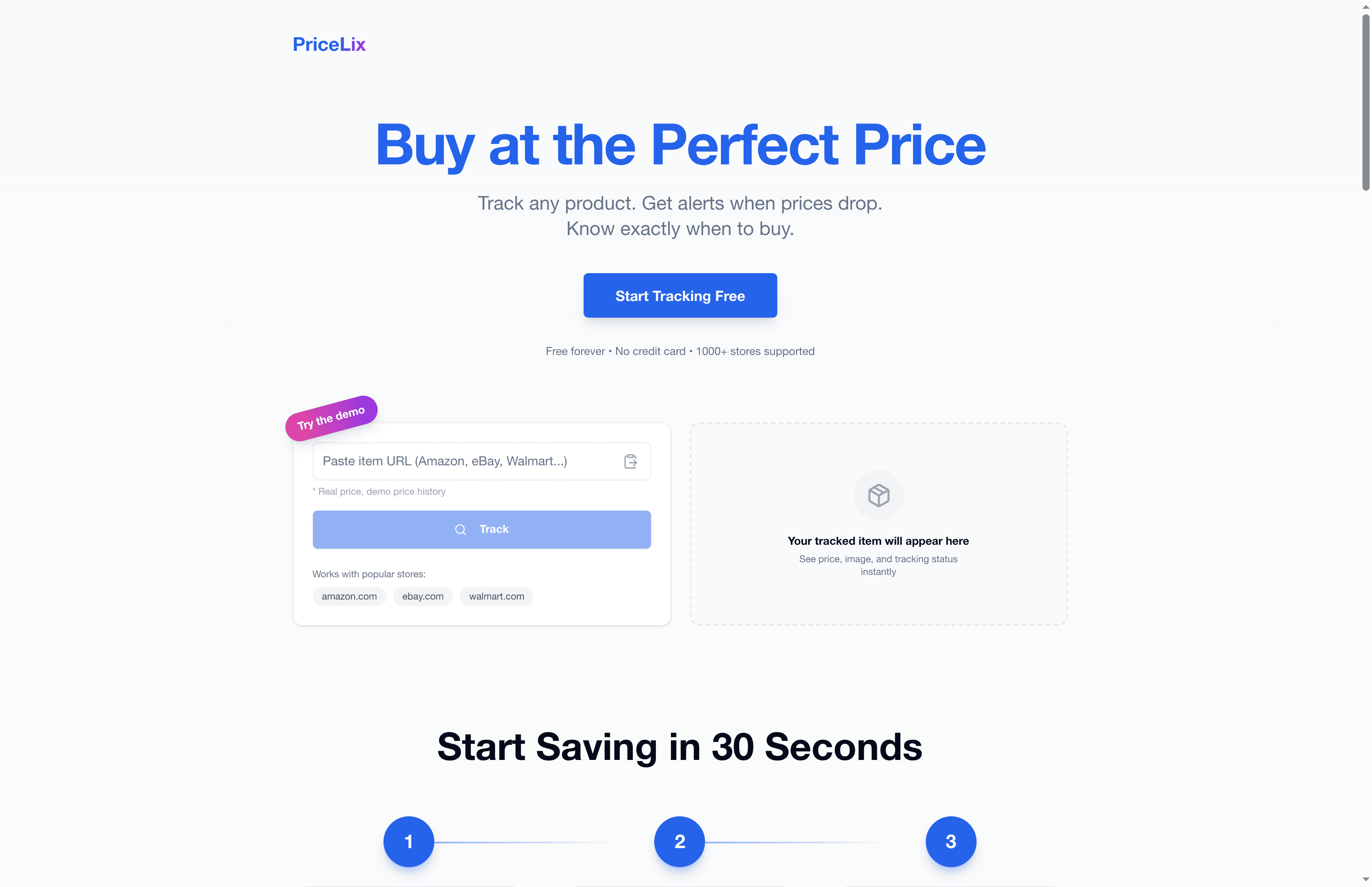
PriceLix price tracking tools put that knowledge to work automatically. Track prices across Amazon, eBay, Walmart, and over a thousand other stores. Get real-time alerts when prices drop. View full price history charts so you can see exactly when a “sale” is actually a sale. No browser extensions needed. Just smarter shopping, on autopilot. Stop bleeding money on prices that were lower last week.
Frequently asked questions
What is dynamic pricing and why do sellers use it?
Dynamic pricing lets sellers continually update prices based on demand, competition, and inventory. It raises revenue 12.3% on average, making it a powerful tool for maximizing profits in real time.
How does inflation affect online prices?
Inflation forces sellers to raise prices frequently to cover rising supplier costs and tariffs. The frequency of price changes doubled in 2022 during high inflation, showing just how quickly market conditions translate into higher prices for shoppers.
Can shoppers avoid personalized pricing?
Yes. Clear your browser cache, use incognito mode, and compare prices across platforms before buying. Price trackers reduce personalized pricing risk by giving you a reliable baseline price to compare against.
What types of items get surge pricing?
Surge pricing hits essentials, event-related products, and limited-inventory items hardest during high-demand periods. Even everyday items like drinks can see prices jump 50 cents on a hot day at automated retail points.
Recommended
- Price Trends: Making Smarter Online Purchases | PriceLix
- Compare prices effectively: proven tactics for smart shopping | PriceLix
- Price fluctuations explained: shop smart and save in 2026 | PriceLix
- Why Tracking Price History Matters for Smart Shoppers | PriceLix
- Toy Shopping in Europe 2025: Online vs. Offline Trends Explained – ToylandEU