
Spot price scams online: Make safe and smart shopping choices
TL;DR:
- Online shopping scams caused $12.5 billion in losses in 2024, mainly through fake stores and deceptive pricing.
- Using price history and comparison tools can help consumers identify fake discounts and avoid scams.
- Building proactive routines like price tracking and verifying store legitimacy can protect shoppers from fraud.
Online shopping lost Americans $12.5 billion to fraud in 2024 alone, a 25% jump from the year before. That number is staggering, but here’s what makes it worse: most shoppers never see the trap coming. Some scams are bold and obvious. Others are subtle pricing tricks that make you feel like you’re winning when you’re actually bleeding money. Whether it’s a fake storefront that takes your cash and disappears, or a retailer inflating a “was” price to manufacture a fake discount, the result is the same. You overpay, feel cheated, and lose trust in online shopping. This guide will change that.
Table of Contents
- Types of price scams: From fakes to deceptive deals
- The real cost: What scams mean for your wallet and trust
- Spotting scams: Signs and smart detection tactics
- Staying safe: Easy strategies to buy with confidence
- Why price scams persist: The uncomfortable truth most guides miss
- Take control: Tools and resources for price transparency
- Frequently asked questions
Key Takeaways
| Point | Details |
|---|---|
| Recognize scam types | Fake shops and manipulative pricing tactics are the main ways scammers target online shoppers. |
| Check price history | Tracking past prices is the most reliable way to judge real deals and avoid deception. |
| Use detection tools | Browser extensions and comparison apps help quickly spot false bargains and scam sites. |
| Focus on safe routines | Smart habits, like routine price checks and skepticism of deals, protect your wallet and confidence. |
Types of price scams: From fakes to deceptive deals
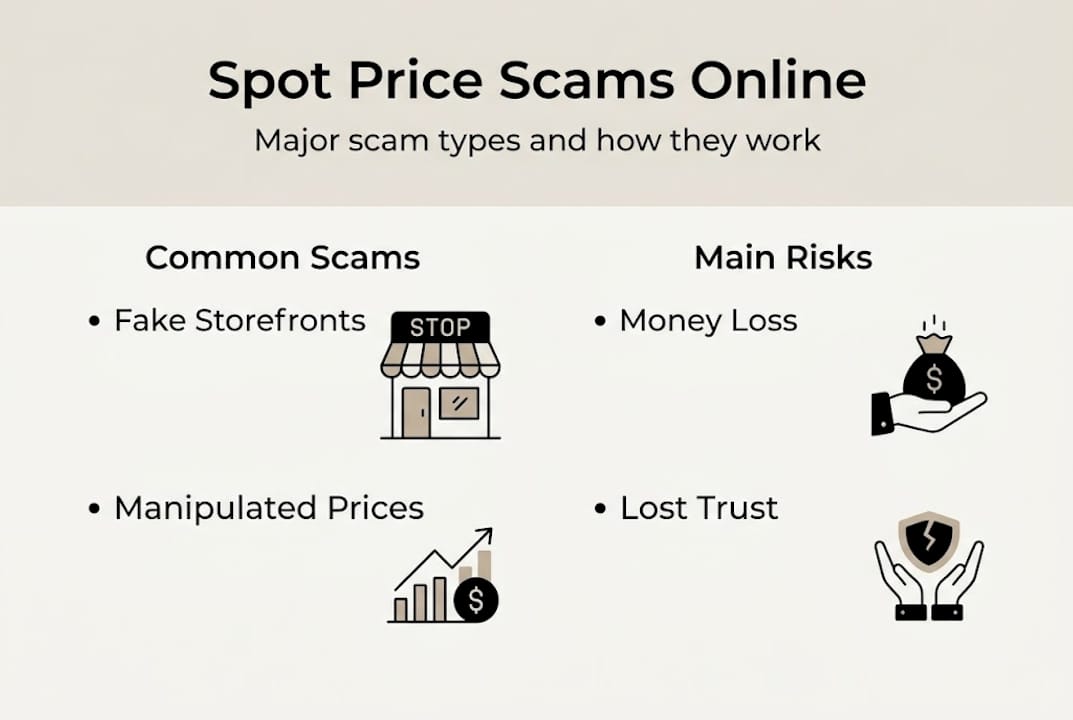
Not all price scams look the same. Some are outright criminal. Others are technically legal but deeply manipulative. Understanding both categories is the first step to protecting yourself.
Outright fraud involves fake stores, scam ads, and sellers who take your money and deliver nothing or send counterfeit goods. These fraudulent sites and scam ads typically offer unrealistically low prices on brand-name goods, leading to non-delivery or fakes. You’ve probably seen them on social media, advertising a $30 pair of designer sneakers or a $15 luxury perfume.
Deceptive pricing tactics are sneakier. Retailers inflate a product’s “original” or “reference” price, then slash it to create the illusion of a big discount. The item was never actually sold at that higher price. You think you’re saving 60%, but the “deal” was manufactured from the start. Understanding why price history matters is key to seeing through this trick.
Here’s a quick comparison of the two:
| Scam type | How it works | Your risk |
|---|---|---|
| Fake storefront | Collects payment, never ships | Total financial loss |
| Scam social media ad | Mimics known brands at low prices | Counterfeit or no product |
| Reference price inflation | Inflates “was” price to fake a discount | Overpaying for average deal |
| Fake urgency tactics | “Only 2 left!” countdown timers | Impulse buy at bad price |
Fake e-shops are particularly convincing. Polished design, stolen images, and fake reviews make them look completely legitimate. They’re often promoted through social media ads that target shoppers by interest, so they feel relevant and trustworthy.
Common red flags to watch for:
- Prices that seem impossibly low compared to every other retailer
- No verifiable return policy or physical address
- Reviews that are all five stars with vague, generic language
- Domains registered very recently (check with a WHOIS lookup)
- No secure payment options, or only wire transfers and gift cards
“If a deal looks too good to be true on social media, it almost always is. Scammers know exactly how to make fake stores look real.”
Both types of scams exploit the same weakness: the information gap between what a product actually costs and what you’re told it costs. Close that gap, and you close the door on most scams.
The real cost: What scams mean for your wallet and trust
Let me hit you with some numbers. Online purchase scams made up 30% of all fraud reports to the BBB in 2024, with an 87.5% loss rate and a median loss of $75 per incident. That might not sound like a fortune, but multiply it across millions of shoppers and you’re looking at a serious problem.
| Metric | 2024 figure |
|---|---|
| Total U.S. fraud losses | $12.5 billion |
| Online-initiated fraud losses | $3 billion+ |
| Online purchase scam share of BBB reports | 30% |
| Loss rate for online purchase scams | 87.5% |
| Median loss per incident | $75 |
The financial hit from fake stores is usually total. You pay, you get nothing, and chargebacks aren’t always guaranteed. With deceptive pricing, the loss is subtler. You spend $80 on something worth $50 and feel good about it because the tag said it was $140. That’s not a win. That’s a well-disguised loss.
There’s also a psychological cost that doesn’t show up in the data. Shoppers who get burned once become either paranoid or disengaged. They either distrust every deal they see, or they give up trying to find genuine savings altogether. Neither outcome is good.
Deceptive pricing chips away at your confidence over time. You start to wonder if any discount is real. That’s exactly what the price tracking checklist for 2026 was built to address: giving shoppers a reliable way to verify what a price actually means.
Here’s what deceptive pricing costs you beyond the dollar amount:
- Impulse purchases you regret within days
- Poor value items that don’t meet expectations
- Wasted time on returns and disputes
- Eroded trust in platforms you used to rely on
The house always wins when you’re playing by their rules. The only way to flip the script is to bring your own data to the table.
Spotting scams: Signs and smart detection tactics
Knowing what to look for is half the battle. The other half is building habits that make you harder to fool.
Here are the most reliable steps to detect fake stores and manipulated prices:
- Check the domain age. New domains (less than 6 months old) selling brand-name goods at steep discounts are almost always scams. Use a free WHOIS tool to verify.
- Read reviews critically. Fake e-shops use polished design and fabricated reviews to look legitimate. Look for reviews with specific product details, not just “great product, fast shipping.”
- Look up the price history. A product listed at $200 “down from $400” should have a verifiable history at that higher price. If it doesn’t, the discount is fake. Price history matters more than labels for making truly informed decisions.
- Cross-reference across platforms. If a deal only appears on one obscure site and nowhere else, that’s a red flag. Genuine discounts tend to show up across multiple retailers.
- Use trusted comparison tools. Platforms built for best price tracking strategies can show you what a product has actually sold for over time, making fake reference prices obvious.
Pro Tip: Before buying anything over $30, spend 60 seconds checking the product’s price history on a tracker. If the “original” price has never been the actual selling price, walk away.
Social media is the biggest hunting ground for scammers right now. Ads on Instagram, Facebook, and TikTok are cheap to run and easy to fake. A professional-looking ad with a luxury brand logo and a price that’s 80% off should trigger immediate skepticism, not excitement.
Additional habits that help:
- Bookmark price comparison best practices and revisit them before major purchases
- Use secure payment methods that offer buyer protection
- Search the store name plus “scam” or “reviews” before purchasing
- Learn to track online prices so you know what “normal” looks like for the products you buy regularly
The goal isn’t to become paranoid. It’s to become informed. There’s a big difference.
Staying safe: Easy strategies to buy with confidence
Detection is reactive. The best shoppers build proactive routines that make scams nearly impossible to fall for.
Here’s a practical system you can start using today:
- Track prices before you need to buy. Set up alerts on products you plan to purchase in the next 30 to 90 days. When the price drops genuinely, you’ll know because you have the history to prove it. The advantages of price history tracking go far beyond just saving money.
- Ignore discount labels, trust the data. “40% off” means nothing without context. A product that was $100 last week and is now $100 with a fake $167 “original” price is not on sale. Experts consistently prioritize price history over labels for informed purchase decisions.
- Use a price comparison platform. Don’t rely on a single retailer’s word. Compare across stores and check historical data. Understanding price trends and smarter purchases means you can spot a genuine deal from a mile away.
- Set a 24-hour rule for impulse buys. Scammers rely on urgency. Countdown timers and “limited stock” warnings are designed to short-circuit your judgment. Wait a day. If the deal is real, it’ll still be there.
- Stay alert to social media ad volume. Platforms like Meta delivered roughly 15 billion scam ads per day in 2024. That’s not a typo. The sheer volume means you will encounter them. Assume any ad offering an extreme discount needs verification.
Pro Tip: Set up price alerts for your most-wanted items and check price fluctuations explained to understand why prices move. Seasonal patterns, product launches, and sales cycles all affect pricing in predictable ways.
Routine vigilance beats occasional skepticism every time. The shoppers who never get burned aren’t lucky. They have a system.
Why price scams persist: The uncomfortable truth most guides miss
Here’s what most scam-awareness articles won’t tell you: scams don’t just survive because of bad actors. They thrive because platforms profit from the chaos.
When a scammer pays for ads, the platform gets paid. When a retailer inflates a reference price, the platform takes a cut of the sale. Enforcement for reference pricing manipulation is rare despite FTC guidelines, and class action lawsuits move slowly. The incentive structure rewards manipulation.
Most guides tell you to look for red flags. That’s useful, but it’s surface-level advice. The deeper fix is building a habit of tracking price history over time so you’re never dependent on a retailer’s framing of what a price means. When you have your own data, their labels lose power.
Confidence in online shopping doesn’t come from chasing the lowest price. It comes from understanding what a fair price actually looks like. That’s a mindset shift, and it’s the one that actually protects you long term.
Take control: Tools and resources for price transparency
You now know how scams work, what they cost, and how to spot them. The next step is building the tools into your routine so you don’t have to think about it every time you shop.
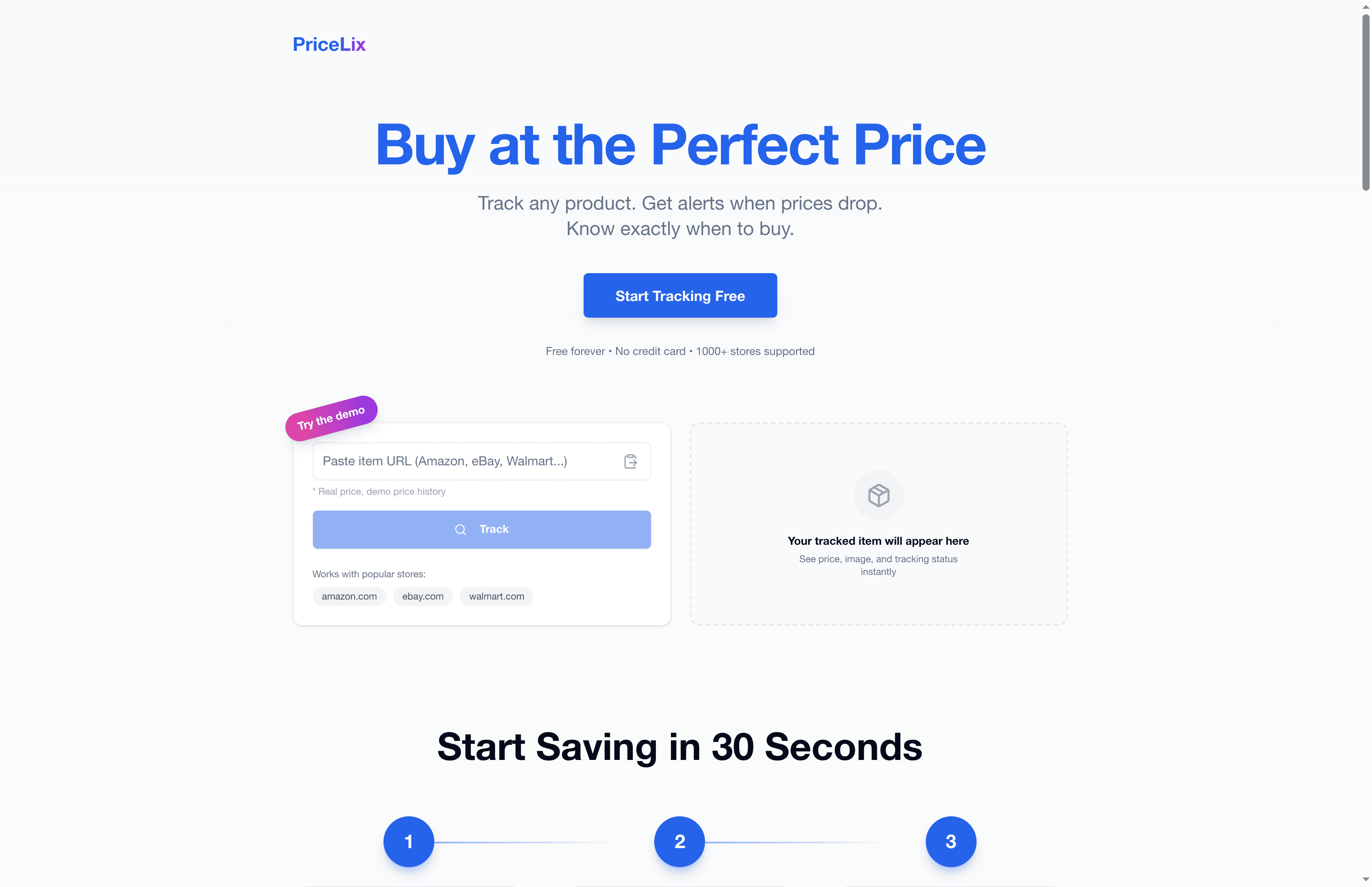
PriceLix tracks prices automatically across Amazon, eBay, Walmart, and over a thousand other stores. You get real-time alerts when prices drop and detailed price history charts that make fake discounts obvious at a glance. No browser extensions needed. No manual checking. Just clear data when you need it. Pair that with the best price tracking strategies and you’ll shop with confidence every time. Stop guessing. Start knowing.
Frequently asked questions
How can I tell if an online deal is fake or manipulated?
Check for unusually low prices, fabricated reviews, and unverified sites, then research the product’s price history rather than trusting discount labels. If the price has never actually been higher, the “deal” is manufactured.
Is ‘reference price’ inflation illegal in the United States?
Reference price inflation violates FTC guidelines, but enforcement remains rare, though class action lawsuits are rising. California’s Business and Professions Code Section 17501 sets stricter state-level rules requiring proof of a prevailing market price.
What are the most effective tools for spotting price scams?
Price history trackers, comparison apps, and browser extensions are most effective, because price history outperforms labels for identifying genuine discounts versus manipulated ones.
Why do so many scam ads appear on social media?
Meta served roughly 15 billion scam ads daily in 2024, and the low cost of running ads combined with minimal platform oversight makes social media the easiest place for scammers to reach millions of shoppers.
How often do people lose money to price scams compared to other online fraud?
Online purchase scams led all BBB fraud reports at 30% of cases in 2024, with an 87.5% loss rate and a median loss of $75, making them the most common and consistently damaging form of online fraud.