What Is Price Gouging? Your Emergency Pricing Guide
TL;DR:
- Price gouging involves charging excessively high prices for essential goods during emergencies, often exploiting consumers’ desperation. Most laws depend on state regulations and are triggered only after official declarations, with common thresholds around 10% above pre-crisis prices. Consumers can report suspected gouging by collecting evidence and filing complaints with their state authorities to enable investigations and enforcement.
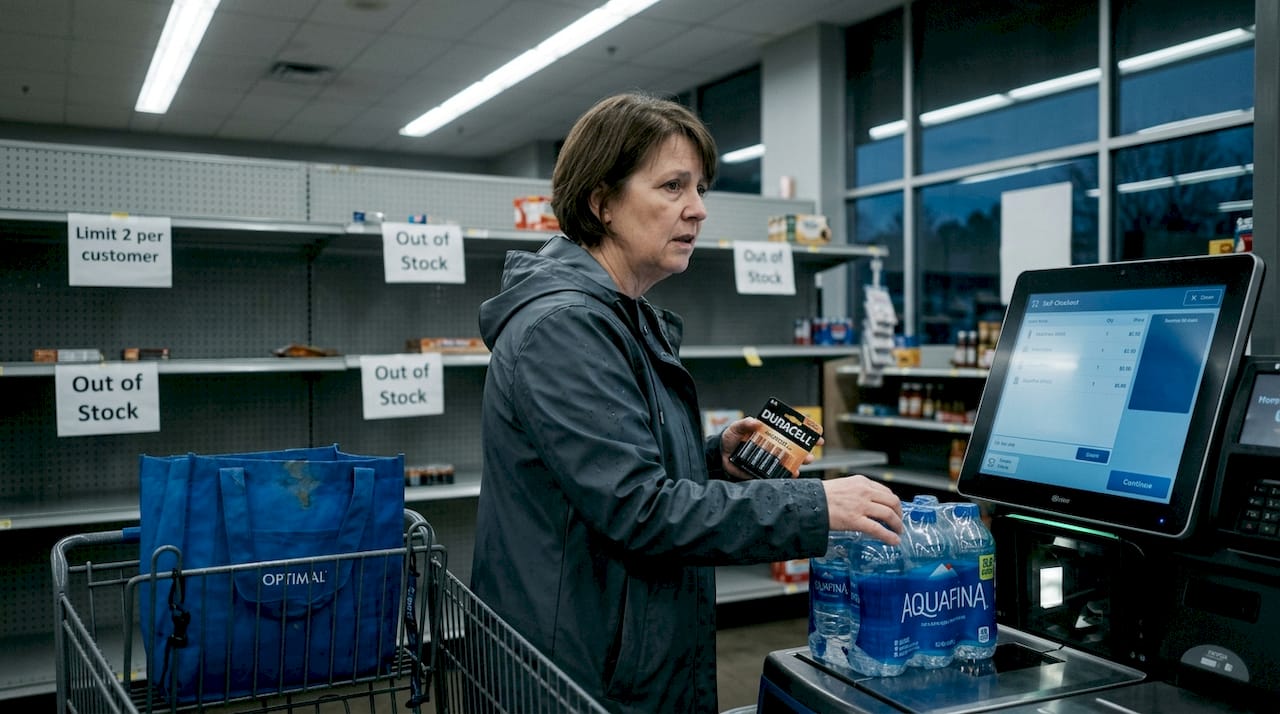
You’re standing in a grocery store after a hurricane warning, and a case of water that cost $8 last week now has a $40 price tag. Something feels deeply wrong about that. It probably is. Price gouging is one of those terms everyone uses but few people fully understand, and that gap in knowledge costs consumers every time a disaster strikes. This guide breaks down what price gouging actually means, how the law defines it, what real examples look like, and exactly what you can do when you think you’re being taken advantage of.
Table of Contents
- Key takeaways
- What is price gouging and how is it legally defined
- Real-life examples of price gouging during emergencies
- How to spot price gouging vs. normal market pricing
- How to report suspected price gouging
- The real complexity behind price gouging enforcement
- My honest take on price gouging as a consumer issue
- Stay ahead of unfair prices with Price-lix
- FAQ
Key takeaways
| Point | Details |
|---|---|
| No federal law exists | Price gouging protections rely entirely on state laws, leaving millions of Americans unevenly covered. |
| The 10% rule is common | States like California and New York prohibit price increases above 10% on essential goods during declared emergencies. |
| Documentation is your weapon | Keeping receipts, photos, and dates turns a suspicion into a real complaint investigators can act on. |
| High prices aren’t always illegal | Supply chain disruptions can cause legitimate price increases. Exploitative intent is what makes it gouging. |
| Reporting matters | Filing complaints with your state Attorney General or consumer protection office is the most direct path to enforcement. |
What is price gouging and how is it legally defined
Price gouging happens when sellers charge excessively high prices for essential goods or services during an emergency or crisis. Think fuel after a hurricane, hand sanitizer during a pandemic, or lumber after a wildfire. The price spike isn’t tied to actual cost increases. It’s tied to desperation.
Here’s the part that surprises most people: no federal law explicitly prohibits price gouging. Your protection depends entirely on where you live. As of 2026, 39 states plus Washington D.C. and several territories have their own anti-price gouging statutes, but they vary significantly in scope and strength.
What triggers these laws
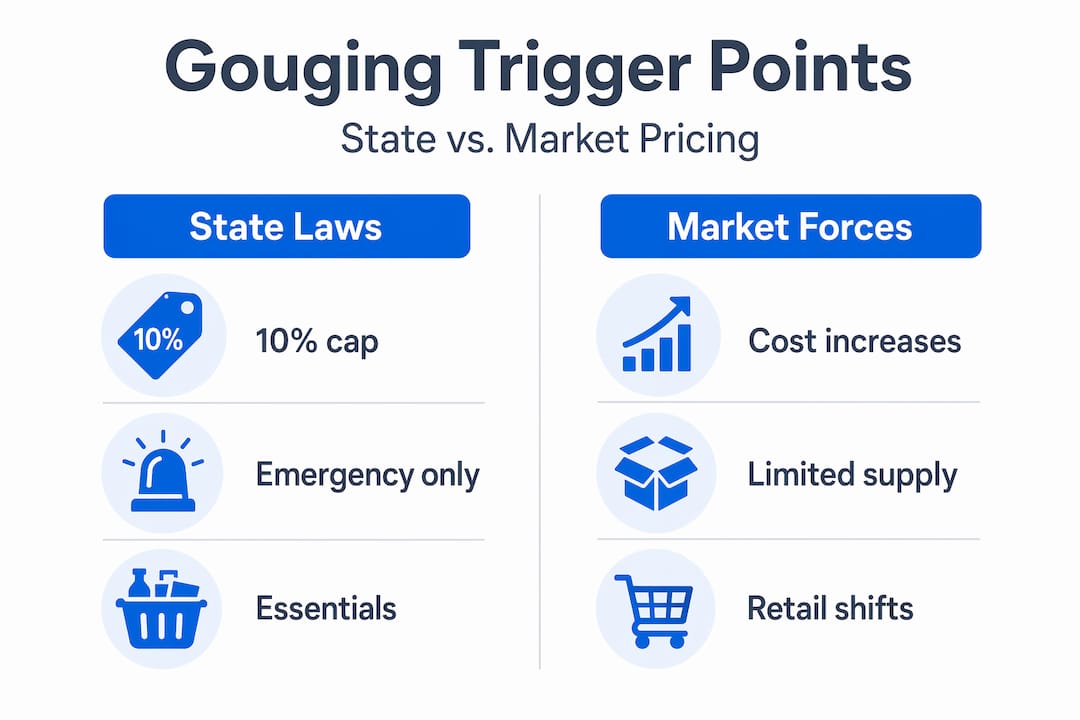
Most state price gouging laws only activate after a formal emergency declaration. No declaration, no legal protection. That’s a critical gap because price hikes often start the moment a storm is forecast, before any official declaration is made.
The most common legal threshold is a 10% price increase cap on essential goods. California and New York both use this benchmark. Sellers can exceed it only if they can document that their own costs genuinely increased by that amount. Here’s a quick look at how a few key jurisdictions define price gouging:
| State / Jurisdiction | Price increase threshold | Trigger |
|---|---|---|
| California | 10% above pre-emergency price | Governor’s emergency declaration |
| New York | Unconscionably excessive (often 10%+) | State disaster emergency declaration |
| Florida | Unconscionable price (no fixed %) | Governor’s executive order |
| Texas | 10% above price before disaster | Governor’s proclamation |
| Federal (U.S.) | No specific law | No federal trigger |
Understanding retail pricing strategies can also help you recognize when a price jump is genuinely market-driven versus exploitative.
Real-life examples of price gouging during emergencies
Price gouging isn’t abstract. It shows up in predictable places every time a disaster hits, and recognizing those patterns is the first step to protecting yourself.
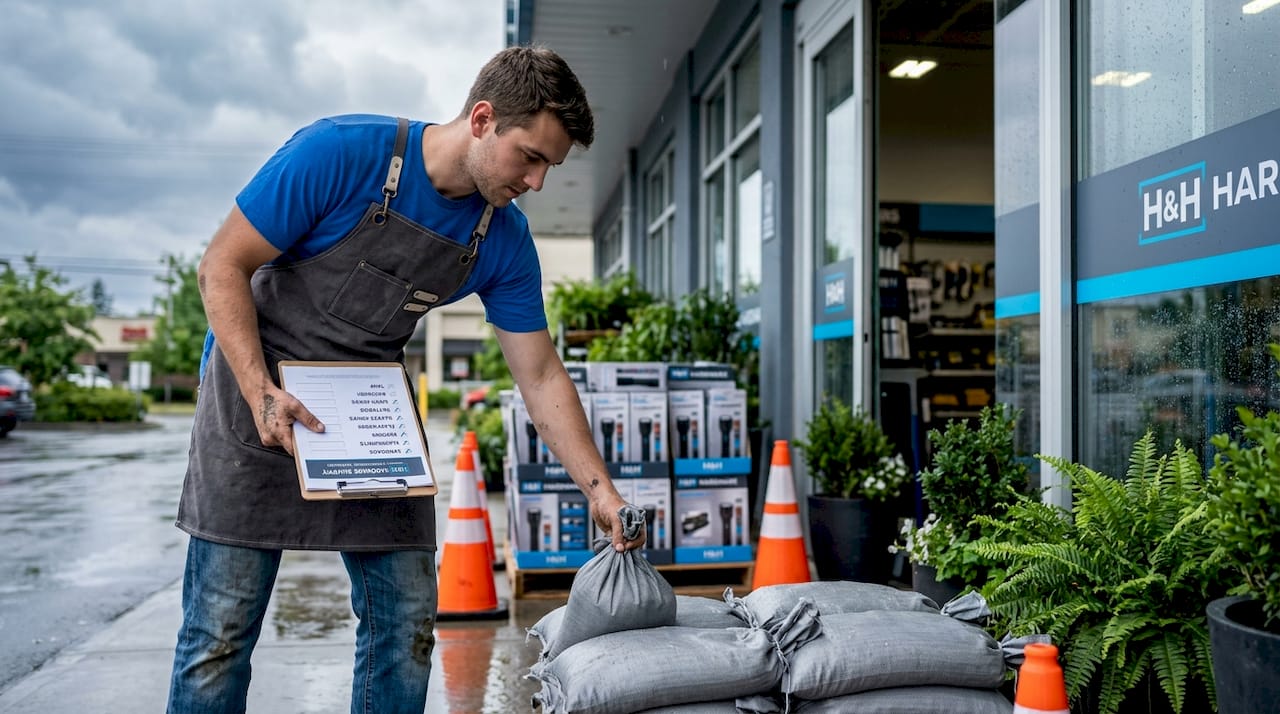
After Hurricane Katrina in 2005, reports flooded in of gasoline selling for $6 or more per gallon in affected areas, when the national average was around $2.50. After Hurricane Harvey in 2017, Texas investigators received thousands of complaints about inflated prices on water, hotel rooms, and generator rentals. During the early months of COVID-19, hand sanitizer that retailed for $3 appeared on third-party marketplaces for $80 or more. Indiana authorities launched investigations into 30 major fuel retailers after price fluctuations during an emergency raised red flags about margins being wildly out of line with wholesale costs.
Here are the goods and services most commonly targeted during emergencies:
- Water and bottled beverages, which are the first things to disappear from shelves and the first to get marked up
- Fuel and gasoline, especially after storms that knock out pipelines or block supply routes
- Generators and batteries, which become life-or-death necessities when power goes out
- Building materials like plywood, tarps, and roofing supplies after storms or wildfires
- Hotel and rental housing, where landlords sometimes double nightly rates the moment evacuation orders are issued
- Medical supplies and medications, including masks, gloves, and fever reducers during health emergencies
The common thread is necessity. Gouging thrives wherever people have no alternative.
How to spot price gouging vs. normal market pricing
Not every high price tag during a crisis is illegal. This is where a lot of consumers get confused, and where some sellers hide behind legitimate cover.
Supply chains genuinely break down during emergencies. A lumber yard that paid 40% more to truck materials through a flooded region is not gouging you when they charge more. A pharmacy that can’t restock because its distribution center is closed faces real constraints. Legitimate price increases driven by actual cost pressures are not the same as exploitative intent, and the law in most states recognizes that distinction. What makes something price gouging is when a seller uses a crisis as an excuse to pocket extra profit, not cover extra costs.
The harder question is: how do you tell the difference in the moment? Here’s what to look for.
Start with your own memory. What did this item cost last week? Last month? A jump of 10% or more above that pre-emergency price on an essential good is a strong signal, especially if competitors in unaffected areas are still selling at normal prices. Check price fluctuations online against comparable products to get a quick baseline for what “normal” looks like.
Also pay attention to intent. A store raising water prices 15% because their delivery cost went up is different from a store raising them 200% because they know you’re scared and stuck.
Pro Tip: Photograph the shelf price tag with your phone and include the store name and date in the photo. This takes ten seconds and creates exactly the kind of dated, location-specific evidence investigators need.
How to report suspected price gouging
If you believe you’ve encountered price gouging, you can do something about it. The process is more straightforward than most people realize.
Your first stop is your state Attorney General’s office or consumer protection agency. Most states with price gouging laws have a dedicated online complaint portal and a consumer hotline, especially during active emergencies. In California, the AG’s office actively issues alerts and accepts complaints through its website. In New York, you can file directly with the AG’s consumer protection division. The complaint process typically requires you to submit supporting documentation to give investigators something to work with.
Here’s what to gather before you file:
- The receipt or price tag photo, showing the item, price, store name, and date
- The pre-emergency price, which you can pull from a price history chart, a past receipt, or a screenshot from the retailer’s own website
- The store’s name and address, including the specific location
- The date and time of your visit or purchase
- A brief description of the item and why you believe the price is excessive
After submitting your complaint, investigators compare current retail prices against wholesale costs and historical pricing data. That’s exactly what happened in Indiana, where retail prices were examined against wholesale benchmarks before and during an emergency to determine which retailers had margins that simply couldn’t be justified.
Enforcement takes time. Don’t expect a refund the next day. But complaints create a paper trail and trigger investigations that can lead to fines, restitution orders, and public accountability.
The real complexity behind price gouging enforcement
Even with strong laws on paper, proving price gouging is harder than it sounds. Understanding why helps set realistic expectations.
Businesses can defend price increases if they have documentation showing their own costs rose first. New York’s price gouging rules make this explicit: businesses need records justifying pricing decisions both before and after an emergency declaration. If a retailer bought inventory from a wholesaler who was already gouging them, passing that inflated cost to consumers can still be treated as a violation. It’s a chain of accountability that catches businesses even when they claim they were victims too.
The patchwork of state laws also creates glaring gaps. If you live in one of the 11 states without specific anti-price gouging statutes, your recourse is limited to general consumer fraud laws, which are harder to apply and slower to act.
Some regulators are moving beyond fines and litigation. In the UK, authorities gained enhanced powers for crisis pricing oversight and started publishing company margin data publicly. The “name and shame” approach creates reputational pressure that can deter gouging faster than a court case ever could.
The U.S. doesn’t have this nationally, but some states are watching. Transparency and public accountability may be where enforcement is headed, because investigations are slow and emergency windows close fast.
My honest take on price gouging as a consumer issue
I’ve spent years watching how pricing works, and the thing that frustrates me most about price gouging isn’t the bad actors. It’s how unprepared most of us are to fight back.
I’ve seen consumers describe clear-cut gouging situations to authorities and have their complaints dismissed because they had no receipt, no photo, and no pre-emergency price reference. The evidence was in their memory, and memory doesn’t hold up. If I could push one habit onto every reader, it would be this: start tracking the prices of essentials you depend on before a crisis hits. Not obsessively, just enough so you have a baseline.
The debate around whether price gouging laws help or hurt is also more nuanced than people admit. Some economists genuinely argue that price caps during emergencies reduce supply by removing the profit incentive for suppliers to rush in. That argument has some merit in theory. But in practice, the people being gouged are rarely the ones who can afford to wait for market equilibrium to sort itself out. That’s an uncomfortable truth regulators need to sit with.
The lack of federal oversight is the biggest systemic failure here. Eleven states with no specific law means millions of Americans get essentially no protection during the moments they need it most. Consumer empowerment matters, and so does price transparency. But those tools only work if you’re paying attention before the crisis, not scrambling during it.
— Serhii
Stay ahead of unfair prices with Price-lix
Emergencies expose how little most of us know about what things actually cost under normal conditions. That knowledge gap is exactly what price gougers count on. Price-lix is built to close it. With real-time price alerts, detailed price history charts across Amazon, Walmart, eBay, and over a thousand other retailers, you can see exactly what a fair price looks like for almost any product, at any time.
Before the next storm, hurricane, or supply shock hits, set up tracking on the essentials you rely on. When prices spike, you’ll have the historical data to know whether it’s a market reality or exploitation. Visit Price-lix to start tracking today, and check out our guide on spotting fake discounts to sharpen your consumer instincts even further.
FAQ
What is price gouging in simple terms?
Price gouging is when a seller charges an excessively high price for essential goods or services during a crisis or emergency, exploiting the fact that buyers have few alternatives.
Is price gouging illegal in the U.S.?
There is no federal law against price gouging, but 39 states plus D.C. have their own laws that activate during declared emergencies, so legality depends on where you live.
What qualifies as price gouging under state law?
Most states set a threshold of around 10% above pre-emergency prices for essential goods. California and New York both use this benchmark, though states like Florida rely on a broader “unconscionable pricing” standard.
How do I report price gouging?
File a complaint with your state Attorney General’s office or consumer protection agency. Bring your receipts and location details as documentation since investigators need evidence to act on complaints.
Can a business legally raise prices during an emergency?
Yes, if the price increase reflects genuine cost increases the business can document. Exploitative intent rather than cost-driven adjustments is what crosses into illegal territory under most price gouging laws.