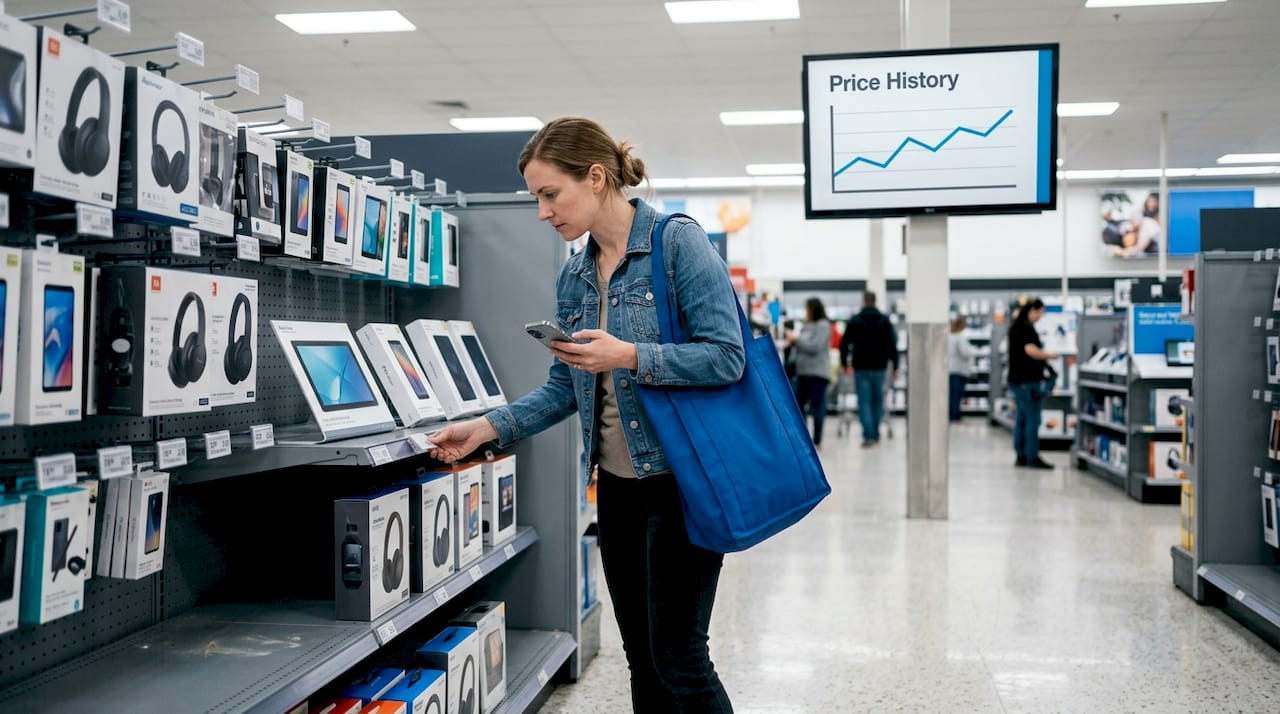
Retail pricing terms decoded: Shop smarter and save more
TL;DR:
- Retail pricing terms like MSRP, keystone, and MAP influence true product value and discounts.
- Understanding pricing strategies helps shoppers decide when to buy or wait for better deals.
- Using price tracking tools enables smarter shopping and identifies genuine discounts over manipulated prices.
You’re staring at a product page, and something feels off. There’s a “list price,” a “sale price,” a “was” price, and maybe a “MAP” label buried in the fine print. Which one is real? Which one should you care about? Most shoppers just shrug and click “add to cart,” but that moment of confusion is exactly where retailers make their money. This guide cuts through the noise. We’ll explain the most important retail pricing terms in plain English, show you how they affect what you actually pay, and give you the tools to spot a real deal from a fake one.
Table of Contents
- The most common retail pricing terms explained
- Popular pricing strategies and what they mean for shoppers
- Dynamic pricing and psychological pricing: The tactics behind the numbers
- How understanding pricing terminology helps you save
- Why understanding retail pricing language is your secret shopping advantage
- Level up your savings with PriceLix
- Frequently asked questions
Key Takeaways
| Point | Details |
|---|---|
| Know the lingo | Understanding pricing terms like MSRP, EDLP, and dynamic pricing is the first step to smarter shopping. |
| Spot real deals | Use this knowledge to recognize genuine savings and avoid common marketing traps. |
| Time your buys | Monitor price patterns and use alerts to capitalize on dynamic pricing swings. |
| Leverage technology | Combine your pricing knowledge with tools and apps to track changes and maximize savings. |
The most common retail pricing terms explained
Now that we’ve raised the issue of confusing price language, let’s break down each key term and see how they impact what you actually pay.
Let’s start with the big one. MSRP is the price recommended by the manufacturer for retailers to charge consumers, serving as a benchmark but not legally binding. That last part matters. Nobody is forcing a store to sell at MSRP. It’s more of a suggested starting point, and many retailers go well below it, especially online.
Think of MSRP as the “official” number that makes a discount look impressive. If a product has an MSRP of $200 and you see it for $140, that looks like a great deal. But if the item regularly sells for $130 everywhere, that “discount” isn’t as exciting as it sounds. MSRP can be a useful reference, but it’s not the whole story.
Next up is keystone pricing. Keystone pricing sets retail price at double the wholesale cost, providing a simple 50% margin method popular in retail. So if a store buys a pair of headphones for $50, they sell it for $100. This method is common in fashion, electronics accessories, and home goods. It’s simple for retailers to apply, but it means there’s often room for negotiation or discount, especially during sales.
MAP (Minimum Advertised Price) is a floor set by the manufacturer. Retailers can’t advertise below this number, though they can sometimes sell lower at checkout. Understanding the difference between MSRP and MAP helps you recognize when a listed price is the true floor or just the advertised minimum.
Promotional pricing is a temporary reduction designed to drive urgency. Flash sales, holiday deals, and clearance events all fall here. Sale price is the reduced price shown during a promotion, and it’s the number most shoppers focus on. But without context, a sale price alone tells you very little.
Here’s a quick comparison to keep things straight:
| Term | What it means | What to watch for |
|---|---|---|
| MSRP | Manufacturer’s suggested retail price | Often inflated to make discounts look bigger |
| Keystone pricing | Retail price = 2x wholesale cost | Signals room for discounts |
| MAP | Minimum advertised price | The lowest price a retailer can publicly show |
| Promotional pricing | Temporary reduced price | Check if the discount is genuine or manufactured |
| Sale price | Current discounted price | Compare to price history, not just MSRP |
Understanding these terms helps you evaluate e-commerce pricing strategies at a glance. You stop reacting to numbers and start reading them.
“The ‘suggested’ price is rarely the real price. It’s the anchor. The real question is: what does this item actually cost everywhere else?”
Knowing the difference between these terms also helps with retail price matching. Many stores will match a competitor’s price if you know how to ask, and knowing whether you’re comparing MSRP to a sale price versus actual street prices makes a big difference.
Popular pricing strategies and what they mean for shoppers
With the basics nailed down, it’s important to understand how retailers actually price their products using real-world strategies.
Retailers don’t just pick prices randomly. They follow deliberate systems designed to maximize revenue while keeping shoppers happy enough to return. Here are the four main ones you’ll encounter.
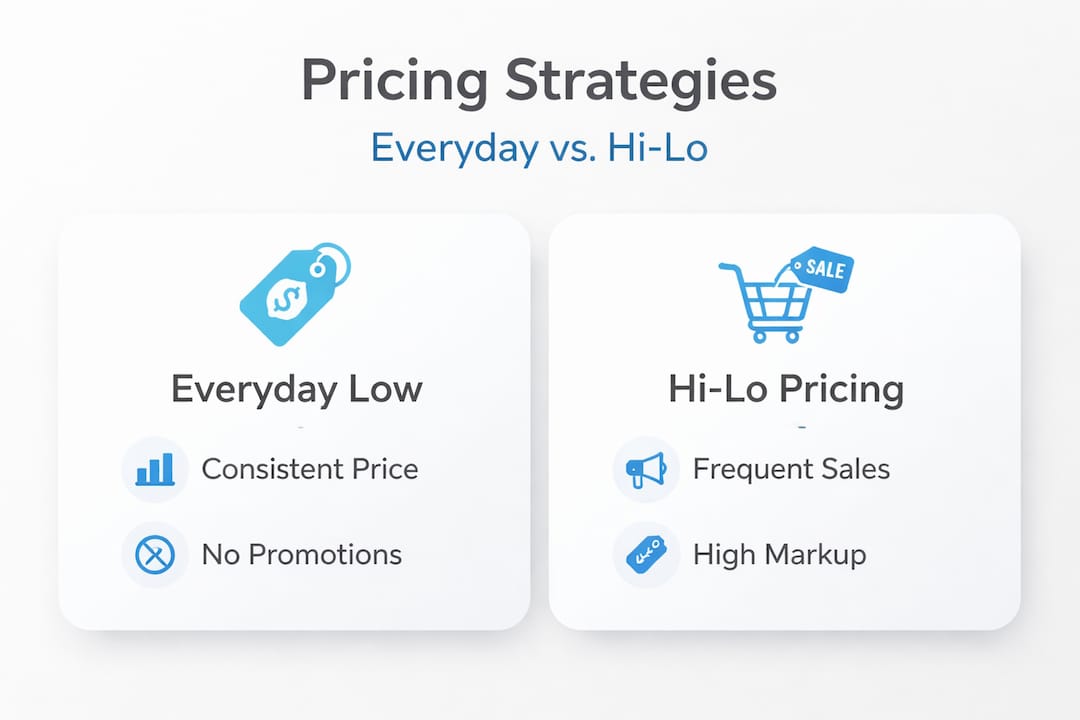
EDLP (Everyday Low Pricing) is exactly what it sounds like. EDLP maintains consistently low base prices without frequent promotions, reducing costs and building trust, and Walmart is the most famous example. There are no dramatic weekend sales or flash events. The price you see today is roughly the price you’ll see next week. This builds trust but also means you rarely get a spectacular deal.

Cost-plus pricing is straightforward. Cost-plus pricing adds a markup to production costs to ensure profitability, though it’s simple and ignores market demand. A retailer calculates what it costs to make or acquire a product, adds a profit margin, and that’s the price. It’s honest but not always competitive.
Hi-Lo pricing is the opposite of EDLP. Stores keep base prices higher but run frequent, aggressive sales. Grocery stores and department stores use this constantly. The idea is that regular shoppers will wait for the sale, while less attentive buyers pay full price. Hi-Lo pricing is declining in effectiveness as shoppers shift toward EDLP for fairness, and a hybrid “everyday fair pricing” model is now emerging as a middle ground.
Here’s how these strategies map to real shopping experiences:
| Strategy | Common store types | What to expect |
|---|---|---|
| EDLP | Mass retailers, warehouse clubs | Stable prices, fewer dramatic sales |
| Cost-plus | Specialty stores, boutiques | Consistent margins, less price flexibility |
| Hi-Lo | Grocery chains, department stores | Frequent sales, higher base prices |
| Hybrid/everyday fair | Online retailers, modern grocers | Moderate prices with occasional promotions |
How do these strategies change your shopping behavior? Here’s a practical breakdown:
- At EDLP stores, there’s less urgency to wait for a sale. The price today is likely close to the best price you’ll get.
- At Hi-Lo stores, patience pays off. Wait for the sale cycle, and you can save 20 to 40 percent on items that rotate through promotions regularly.
- With cost-plus retailers, compare across competitors. Their pricing is often less responsive to market shifts, so a competitor may undercut them without advertising it.
- With hybrid models, use price history tools to understand what “fair” actually looks like for that specific product.
Understanding these systems is a key part of price transparency. When you know the strategy behind the sticker, you can predict when prices will drop and plan your purchases accordingly.
Pro Tip: If you shop at a Hi-Lo retailer regularly, track which product categories go on sale and when. Most stores rotate promotions on a predictable schedule, usually every four to six weeks. Once you spot the pattern, you can time your purchases almost perfectly.
Dynamic pricing and psychological pricing: The tactics behind the numbers
Beyond fixed strategies, many retailers tweak their prices minute by minute and use subtle cues to nudge you into buying.
This is where things get a little wild. Dynamic pricing adjusts prices in real-time based on demand, competition, and inventory levels, and it can lift retailer revenue by 5 to 25 percent. Amazon is the most aggressive user of this tactic, reportedly changing prices millions of times per day. Airlines, hotels, and rideshare apps do it too. You’ve probably noticed a flight price jump after you searched for it twice.
For shoppers, dynamic pricing is a double-edged sword. Prices can drop significantly during low-demand windows, but they can also spike right before a holiday or when a product goes viral. Knowing this exists is the first step to working around it.
Here are the most common dynamic and psychological pricing tactics you’ll encounter:
- Charm pricing: Prices ending in .99 or .97 feel significantly lower than they are. A $9.99 item reads as closer to $9 than $10 in our brains.
- Price anchoring: Showing a high “original” price next to a lower “sale” price makes the deal feel more valuable, even if the original price was inflated.
- Scarcity signals: “Only 3 left in stock!” creates urgency that may or may not be real.
- Bundle pricing: Grouping items together at a combined price makes individual item costs harder to evaluate.
- Flash sales: Short time windows trigger impulse decisions before you can compare prices elsewhere.
Psychological pricing tactics like $9.99 or anchoring influence perception and can boost sales by 5 to 10 percent. Retailers know this, and they use it deliberately. The house always wins when you’re reacting emotionally instead of thinking clearly.
The good news? You can beat dynamic pricing by understanding how prices fluctuate and using that knowledge to your advantage. Tracking seller price changes over time gives you a baseline, so you can tell when a price is genuinely low versus temporarily inflated.
Pro Tip: Before buying anything over $30, check its price history. A product that’s “on sale” for $45 might have been $35 last month. Price history charts turn confusing numbers into clear signals. This is where a tracking tool becomes gold.
You can also apply bargain hunting strategies that specifically account for dynamic pricing windows, like shopping on Tuesday mornings or during off-peak hours when demand-based algorithms tend to lower prices.
How understanding pricing terminology helps you save
Knowing the lingo is only half the battle. Here’s how you can turn this insight into real savings and confidence shopping online.
Let me give you a practical framework. When you land on a product page, run through this quick checklist:
- Check the MSRP first. Is it listed? If so, treat it as a ceiling, not a target. Your goal is to find the real market price.
- Identify the store’s pricing strategy. Is this an EDLP retailer like Walmart, or a Hi-Lo store that runs regular sales? This tells you whether to buy now or wait.
- Look at the price history. Has this item been lower before? If yes, by how much and how recently?
- Spot psychological pricing cues. Is there a crossed-out “original” price? Is there a countdown timer? These are nudges designed to rush your decision.
- Check for dynamic pricing signals. Is this a high-demand period like Black Friday or a product launch? Prices are likely inflated. Wait if you can.
- Compare across platforms. The same item can vary by 15 to 30 percent between Amazon, Walmart, and eBay on any given day.
Beyond the checklist, here are your top tools for smarter shopping:
- Set price alerts so you get notified the moment a product drops to your target price.
- Use price match policies at stores like Target and Best Buy. If you find a lower price elsewhere, they’ll often match it on the spot.
- Avoid anchor pricing traps by ignoring the “was” price and focusing on the actual market value.
- Track prices before major sales events. Retailers sometimes raise prices before Black Friday to make the “discount” look bigger.
- Combine pricing knowledge with tools that automate the research for you.
Dynamic pricing maximizes savings during low-demand periods but requires monitoring for surge periods, so combining this knowledge with price tracking tools is the most effective approach.
The goal is to master online pricing tactics so you’re never caught off guard. Once you understand the system, shopping feels less like gambling and more like a strategy game you know how to win. And when you pair that knowledge with tools that monitor real-time price changes automatically, you barely have to lift a finger.
Pro Tip: Don’t just track the items you’re ready to buy. Add things you might want in the future too. Prices often hit their lowest points during periods you wouldn’t expect, like mid-January or early September, when demand naturally dips.
Why understanding retail pricing language is your secret shopping advantage
Here’s an opinion most deal-hunting articles won’t give you: the biggest savings don’t come from finding coupons. They come from understanding the system behind the prices.
Most shoppers operate on the surface. They see a red “sale” badge and feel good about the purchase. They compare the sale price to the MSRP and feel like they won. But they’re playing the game the retailer designed, on the retailer’s terms. That’s not winning. That’s being managed.
When you understand pricing terminology, something shifts. You stop reacting and start analyzing. You look at a $199 “sale” price and ask: Is this EDLP or Hi-Lo? Is this dynamic pricing at a peak? What’s the price history? Is this keystone pricing with room to drop further? Those questions are worth real money.
There’s also a confidence factor that’s easy to underestimate. Shoppers who understand why prices fluctuate don’t panic-buy when they see a countdown timer. They don’t get fooled by inflated anchor prices. They know that “limited time offer” is often a permanent fixture on the page.
The uncomfortable truth is that most pricing tactics work because shoppers don’t know they exist. The moment you name them, they lose their power. Charm pricing stops charming you. Anchoring stops anchoring you. Flash sales stop feeling urgent. You become the kind of shopper who makes deliberate decisions instead of emotional ones.
That’s the real advantage. It’s not a coupon or a cashback app. It’s knowledge that compounds every time you shop.
Level up your savings with PriceLix
Ready to put your pricing knowledge to work effortlessly? Here’s how PriceLix helps you stay a step ahead.
You now know the difference between MSRP and MAP, how Hi-Lo cycles work, and why that $9.99 price tag isn’t an accident. But manually checking price histories across dozens of stores every time you want to buy something? That’s exhausting. That’s where PriceLix comes in.
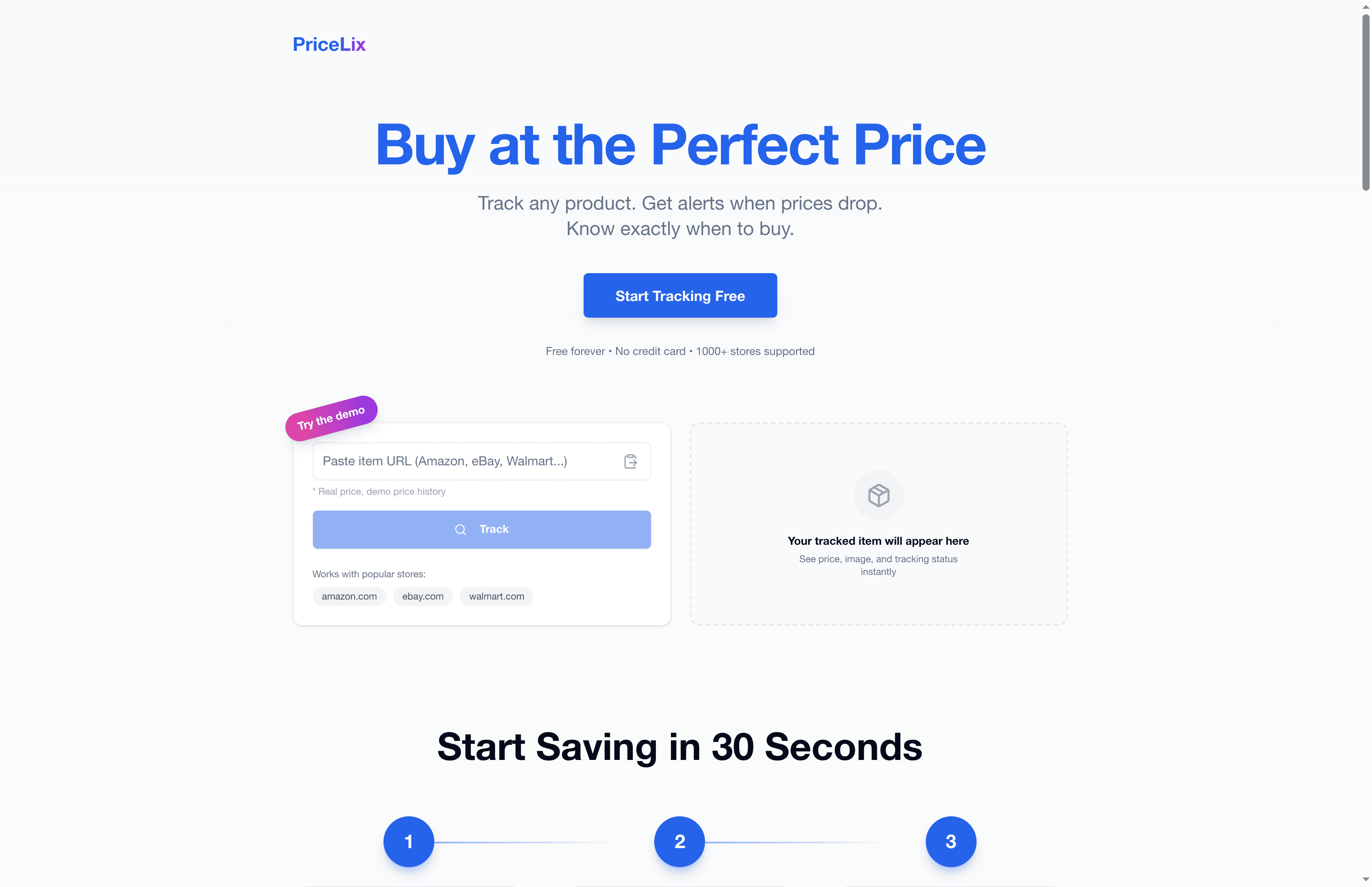
PriceLix automates everything you just learned. Track products across Amazon, eBay, Walmart, and over a thousand other stores from one clean dashboard. Set price alerts so you’re notified the moment a dynamic pricing dip hits your target. View full price history charts to see through anchor pricing tricks instantly. No browser extensions needed. No manual checking. Just smarter shopping on autopilot. Visit PriceLix and start tracking the items on your list today.
Frequently asked questions
What does MSRP mean and should I pay attention to it when shopping online?
MSRP is the manufacturer’s suggested retail price and helps you gauge the original value, but actual sale prices are often lower, so use MSRP as a benchmark rather than an expectation of what you’ll pay.
How does dynamic pricing affect the price I see when I shop online?
Dynamic pricing adjusts in real-time based on demand, competition, and inventory, which means the price you see at 9 a.m. could be different by noon, so setting price alerts is the best way to catch genuine dips.
What’s the difference between EDLP and Hi-Lo pricing?
EDLP maintains consistently low prices year-round without frequent promotions, while Hi-Lo pricing uses higher base prices offset by regular sales cycles, meaning your shopping strategy should differ depending on which type of store you’re using.
How can I spot psychological pricing tricks when shopping?
Look for odd prices like $9.99 or a crossed-out “original” price next to a sale sticker, since psychological pricing tactics like these are specifically designed to influence your perception and trigger faster purchase decisions.
What’s the fastest way to find a real deal online with so many pricing terms?
Compare the current sale price to the product’s price history rather than just the MSRP, and use a price tracking tool, since combining pricing knowledge with tracking tools is the most reliable way to separate genuine discounts from manufactured ones.