
Maximize your holiday shopping savings this season
TL;DR:
- Most shoppers miss significant holiday savings due to lack of preparation and discipline.
- Effective strategies include setting a budget, building a detailed wish list, and using deal tools to maximize discounts.
- Consistent price monitoring and comparing multiple retailers help secure the best deals throughout the season.
Every year, millions of shoppers walk away from the holiday season feeling like they paid more than they had to. You saw the sale banners, you clicked the “limited time” buttons, and you still ended up wondering where your budget went. Real savings during the holidays don’t come from luck or stumbling onto a flash sale. They come from strategy, preparation, and knowing exactly which tools and tactics to use before you ever open your wallet.
Table of Contents
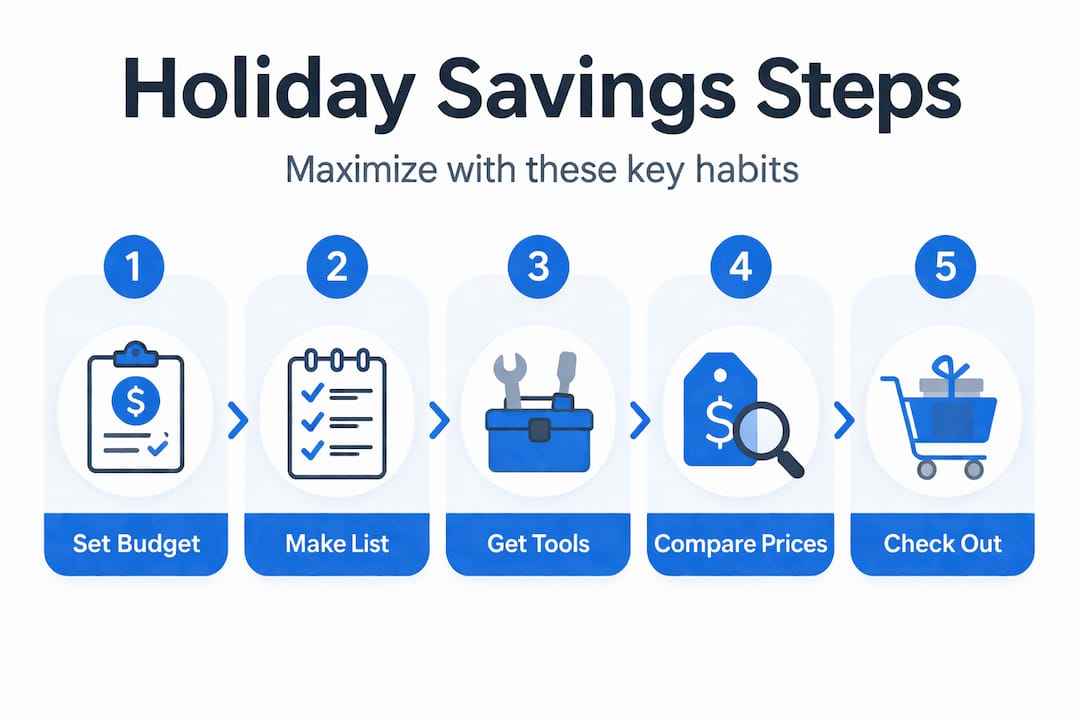
- Prepare: Set your budget and wish list before shopping
- Choose the right tools: Apps, browser extensions, and deal alerts
- Compare retailers and track price changes for the best deals
- Checkout strategies: Coupons, cash-back, and avoiding impulse traps
- Verify your savings and build better shopping habits
- Our perspective: Why most shoppers miss out on holiday savings (and what actually works)
- Take your holiday savings further with PriceLix
- Frequently asked questions
Key Takeaways
| Point | Details |
|---|---|
| Plan before you shop | A wish list, budget, and schedule maximize holiday savings and prevent overspending. |
| Use the right digital tools | Browser extensions, deal alerts, and cash-back portals help you stack discounts for every purchase. |
| Compare and verify prices | Checking multiple retailers and tracking price drops lets you secure the best deals and avoid post-sale regret. |
| Stay disciplined at checkout | Apply coupons and cash-back offers, but don’t let sudden discounts push you off budget. |
| Review and improve each year | Assess your results after the holiday season to keep boosting savings year after year. |
Prepare: Set your budget and wish list before shopping
Before you even think about browsing deals, you need a plan. This sounds obvious, but most shoppers skip it entirely and pay the price later.
Start by setting a firm overall holiday budget. That means one number that covers everything: gifts, shipping, wrapping, and any extras. Write it down. Make it real. Then break it into categories: family gifts, friend gifts, household items, and so on.
Next, build your wish list. Not a vague mental note, but an actual written list with:
- Every person or item you need to buy for
- Your estimated price for each item
- Your maximum acceptable price
- The store or platform where you expect to find it
A spreadsheet works great for this. Free apps like Google Sheets or even a notes app on your phone will do the job. The point is to have a reference you can check every time you’re tempted to add something unplanned.
Advance purchase planning is a habit shared by a large share of successful holiday shoppers who monitor for sales. They’re not winging it. They’re tracking.
One trap to watch out for: abandoned-cart discounts and retargeting emails. You know the ones. You leave something in your cart and suddenly get a 10% off coupon. These can be useful, but as Martin Lewis warns, they may yield savings but still tempt you to overspend if you’re not anchored to your pre-planned list and budget.
Only adjust your plan when a genuine opportunity appears on something already on your list. Not because a deal feels too good to pass up on something you never planned to buy.
For more ideas on timing your purchases, check out these seasonal discount strategies that work throughout the year, not just in November.
Pro Tip: Set a “buffer” of 10% in your budget for unexpected finds or price increases. This gives you flexibility without blowing your plan.
Once you have clear spending and shopping priorities, it’s time to lay out the tools and techniques that can unlock savings all season.
Choose the right tools: Apps, browser extensions, and deal alerts
You wouldn’t go to a job interview without preparing. Don’t go holiday shopping without your toolkit either.
Here’s a breakdown of the most useful tools available right now:
| Tool type | Examples | What it does |
|---|---|---|
| Browser extensions | Honey, Rakuten | Auto-applies coupon codes at checkout |
| Cash-back portals | Rakuten, TopCashback | Earns a percentage back on purchases |
| Deal alert sites | Slickdeals, CamelCamelCamel | Notifies you when prices drop |
| Price tracking platforms | PriceLix | Monitors prices across 1,000+ stores |
| Credit card portals | Chase, Amex Offers | Bonus points or cash-back on select retailers |
The real power comes from stacking these tools. For example:
- Activate a cash-back offer through your credit card portal
- Visit the retailer through a cash-back browser extension like Rakuten
- Apply a coupon code found by Honey at checkout
- Confirm the price is at or near its historical low using a price tracker
That’s four layers of savings on a single purchase. Stacking coupons with cash-back rewards is especially powerful for last-minute holiday shopping when you don’t have time to wait for a better price.
The tools every serious deal hunter uses are worth knowing in detail. Explore this list of must-have deal hunter tools and see how tech helps bargain hunting in ways most shoppers haven’t considered.
Pro Tip: Set up deal alerts for every item on your wish list before the holiday season kicks off. That way, when prices drop, you get notified automatically instead of having to check manually every day.
With your plan and tools in place, it’s time to compare prices and choose the right time and place to buy.

Compare retailers and track price changes for the best deals
Here’s something most shoppers don’t do: check two or more retailers before buying. They find a “sale” price and assume it’s the best available. That’s a costly assumption.
Let me give you a simple framework for comparing prices before you commit:
- Search the item on at least two major platforms (Amazon, Walmart, Target, Best Buy)
- Check the price history using a tracker like CamelCamelCamel or PriceLix to see if the “sale” is actually lower than usual
- Factor in shipping costs and delivery timelines before comparing final totals
- Review return policies especially if you’re buying early and might need to exchange or return after the holidays
- Note any price match guarantees the retailer offers, which can protect you if prices drop after purchase
“Compare across retailers and keep return windows in mind when buying early online.” — USA Today, Black Friday shopping tips
This last point is huge. Some stores offer a price adjustment window of 14 to 30 days. If you buy something and the price drops later, you can request a refund of the difference. That’s free money if you know to ask.
Also, don’t assume Black Friday or Cyber Monday will always have the lowest prices. Holiday promos extend beyond those event days, and competition among retailers can shift discounts later in the season. The best deal on a specific item might show up in the second week of December.
This is why ongoing monitoring matters more than a single shopping day. Learn the price comparison best practices that experienced shoppers use, and see how comparing deals online can save you more than any single coupon code.
If you’re serious about tracking prices across the season, this guide on holiday savings with price monitoring is worth bookmarking. And if you’re still figuring out what to buy for someone, this list of unique gift ideas might spark some inspiration.
Once you’ve found a good price and selected where to buy, use strategic checkout and abandon-cart tricks to squeeze out the last bit of savings.
Checkout strategies: Coupons, cash-back, and avoiding impulse traps
You’re at the checkout screen. This is where many shoppers leave money on the table or, worse, spend more than they planned. Here’s how to handle it right.
Step-by-step checkout process:
- Search for a coupon code before entering payment. Use Honey or manually search “[retailer name] promo code” in a new tab.
- Activate any cash-back offer through your portal or extension before you hit “place order.”
- Check your list one more time. Is every item in your cart on your pre-planned wish list?
- Review the total including shipping and taxes. Make sure it still fits your budget.
- Submit the order only when all conditions are met.
On the abandoned-cart tactic: you can intentionally leave items in your cart to see if the retailer sends a discount code. Some do, usually within 24 to 48 hours. This works particularly well on smaller retailers and direct-to-consumer brands.
But here’s the trap. As Martin Lewis points out, abandoned-cart discounts can tempt you into buying things you didn’t plan for, especially when the email says “only 2 left at this price.” That urgency is manufactured. Don’t let it rush you into buying something outside your list.
Things to watch for at checkout:
- Upsell prompts (“Add this for just $9 more”) that eat into your savings
- Auto-added warranties or protection plans you didn’t request
- Default shipping upgrades that inflate your total without your notice
- “Frequently bought together” suggestions designed to increase cart size
These are not mistakes. They’re intentional design choices. The house always wins if you’re not paying attention.
For deeper strategies on staying disciplined, explore these guides on monitoring discounts and bargain hunting strategies that keep you in control at every stage.
Pro Tip: Screenshot your cart total before applying any coupons or cash-back. Then screenshot the final total. Seeing the actual dollar difference motivates you to keep using these tactics every time.
After finishing your shopping, take a few minutes to review your process and results to build better habits for future holiday seasons.
Verify your savings and build better shopping habits
Most shoppers never look back after the holidays. They move on and repeat the same patterns next year. That’s a missed opportunity.
Spend 15 minutes after the season reviewing what worked. Here’s what to document:
- Which tools gave you the biggest discounts? (Extensions, portals, deal alerts)
- Which retailers had the best prices overall? Note them for next year.
- Where did you overspend or go off-list? Identify the trigger so you can avoid it next time.
- Which items dropped in price after you bought them? Could you have claimed a price adjustment?
- What would you add to your wish list earlier next year?
This kind of review turns one good shopping season into a compounding habit. Each year you get sharper, faster, and more confident in your decisions.
Bookmark reliable deal sources now, before next season sneaks up on you. Subscribe to newsletters from deal communities, follow price alert services, and keep your wish list updated year-round. This seasonal sale tracking guide shows you how to stay organized across every major shopping period, not just the holidays.
Let’s step back and consider how all these approaches come together and why most shoppers leave some savings on the table.
Our perspective: Why most shoppers miss out on holiday savings (and what actually works)
Here’s an uncomfortable truth: most holiday shoppers are reactive, not proactive. They wait for Black Friday, scroll through deals on the day, and buy based on what looks impressive in the moment. That approach is exactly what retailers are counting on.
The shoppers who consistently save the most don’t treat the holidays as a single event. They treat it as a season-long strategy. They’ve already been tracking prices since October. They know the historical low for the items on their list. They’ve set alerts. When a deal hits, they act immediately because they already know it’s genuinely good.
The biggest gap we see isn’t knowledge. Most people know they should compare prices and use coupons. The gap is discipline. Sticking to your list when a “surprise deal” appears on something you didn’t plan to buy is genuinely hard. Retailers spend billions designing experiences that make impulse purchases feel rational. Recognizing that pressure is the first step to resisting it.
There’s also a timing myth worth addressing. Many shoppers believe the best prices only exist on Black Friday and Cyber Monday. But year-round discount strategies show that prices fluctuate constantly, and some of the deepest discounts appear in the days after major sale events when retailers clear remaining inventory. Shoppers who monitor prices through the full season, not just on event days, consistently find better deals.
The top savers we’ve seen approach every purchase the same way: check the price history, compare at least two retailers, stack every available discount, and verify the total before buying. It’s methodical. It’s not glamorous. But it works every single time, and it compounds into real money saved over years of shopping.
Small habits make a big difference. Reviewing your process each year, keeping your wish list updated, and staying connected to reliable deal sources are the things that separate occasional good deals from consistent, serious savings.
Take your holiday savings further with PriceLix
You’ve got the strategy. Now let’s make it even easier to execute. Manually checking prices across dozens of retailers every day is exhausting, and it’s easy to miss a drop that lasts only a few hours.
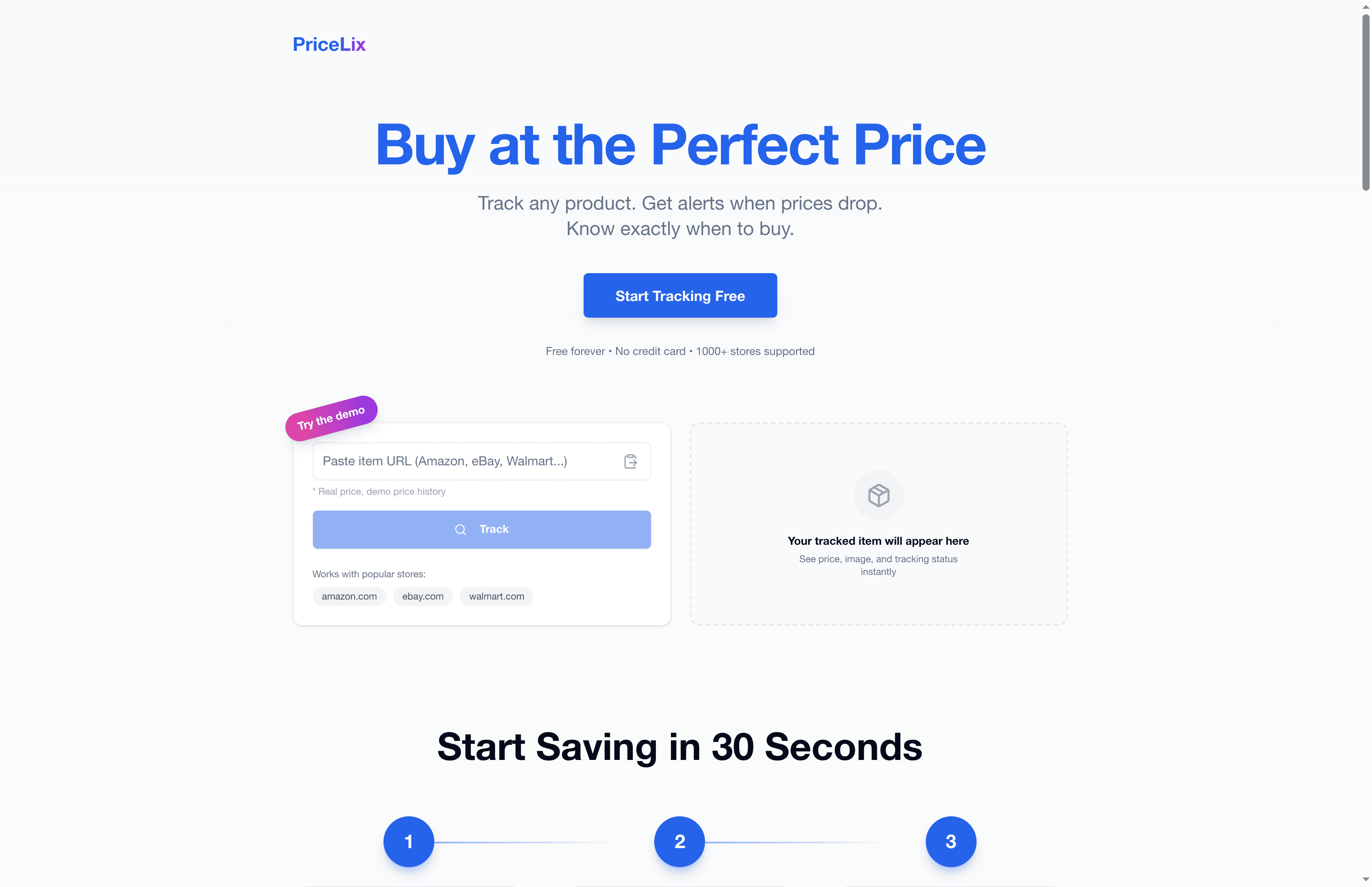
That’s exactly why PriceLix exists. With PriceLix’s price tracking tools, you can add any item from Amazon, Walmart, eBay, or over a thousand other stores to your personal dashboard. PriceLix monitors prices automatically every day and sends you a real-time alert the moment a price drops to your target. No browser extensions required. No manual checking. Just a clean dashboard that does the work for you. Sign up for free in seconds and go into this holiday season with the confidence that you’ll never miss a deal on your list again.
Frequently asked questions
What is the best time to shop for holiday deals online?
Major deals occur around Black Friday and Cyber Monday, but discounts extend throughout the season as retailers compete for shoppers, so ongoing price monitoring gives you the best chance of catching the lowest price.
How can I avoid overspending when using coupons and discounts?
Always start with a firm budget and a written list, then apply discounts only to items already on that list. As Martin Lewis advises, abandoned-cart tricks can save money but also tempt you to buy things you never planned for.
What’s the best way to compare online prices quickly?
Use browser extensions or a price tracking platform to pull prices from multiple retailers at once. Comparing across retailers before buying takes just a few minutes and often reveals a significantly better deal.
Are abandoned-cart discount tactics risky?
They can provide real savings, but the risk is real too: urgency-driven emails can push you toward unplanned purchases, so always cross-check the item against your pre-set list before using the discount.
Recommended
- Seasonal discount strategies: maximize your savings all year | PriceLix
- Seasonal sale tracking guide: Maximize savings on every purchase | PriceLix
- Why monitor seasonal sales: maximize online savings year-round | PriceLix
- Maximize holiday savings with price monitoring in 2026 | PriceLix
- Flash Sale! 50% Off With Code Ef3chy6g | FxShop24 Marketplace